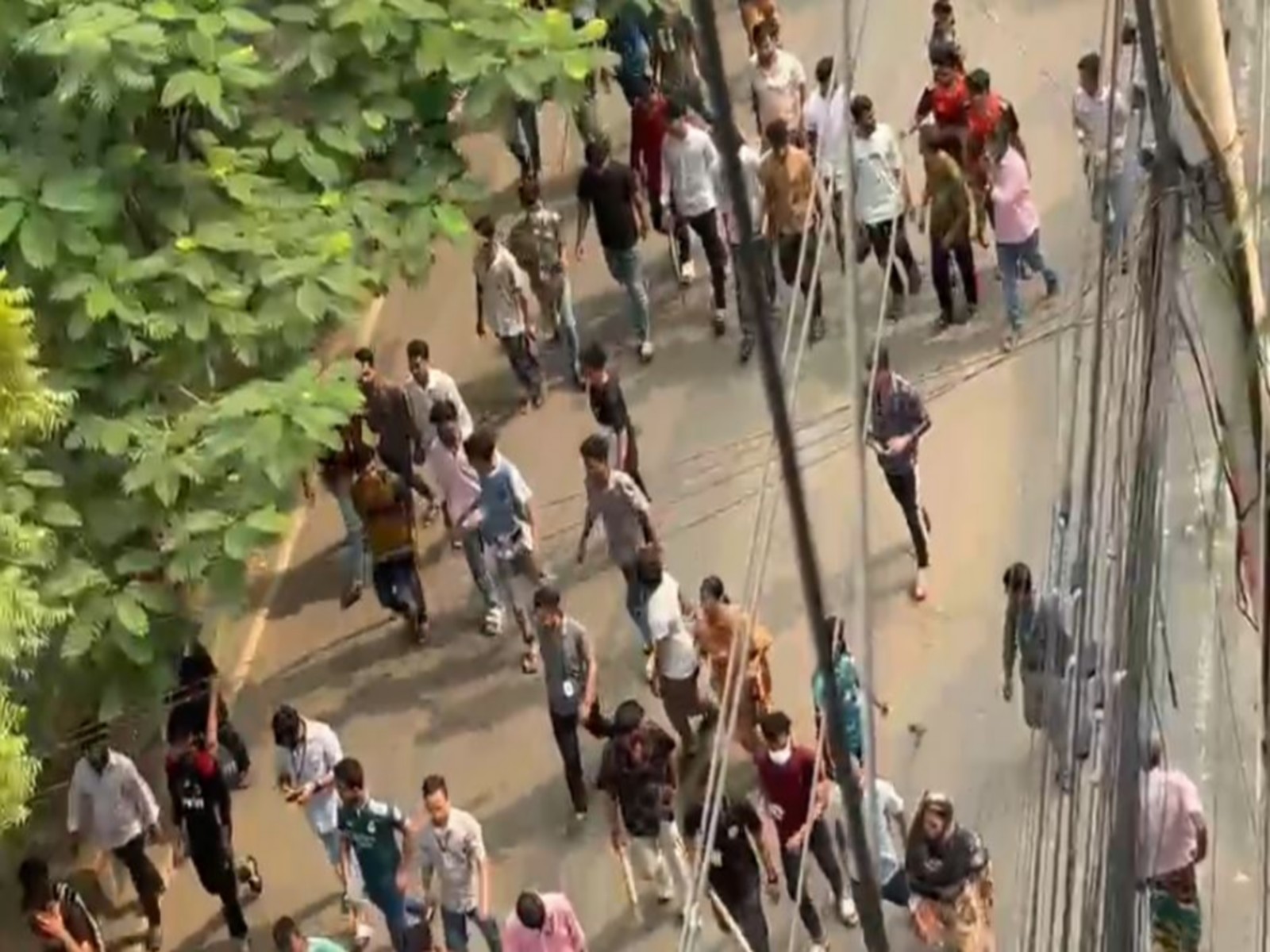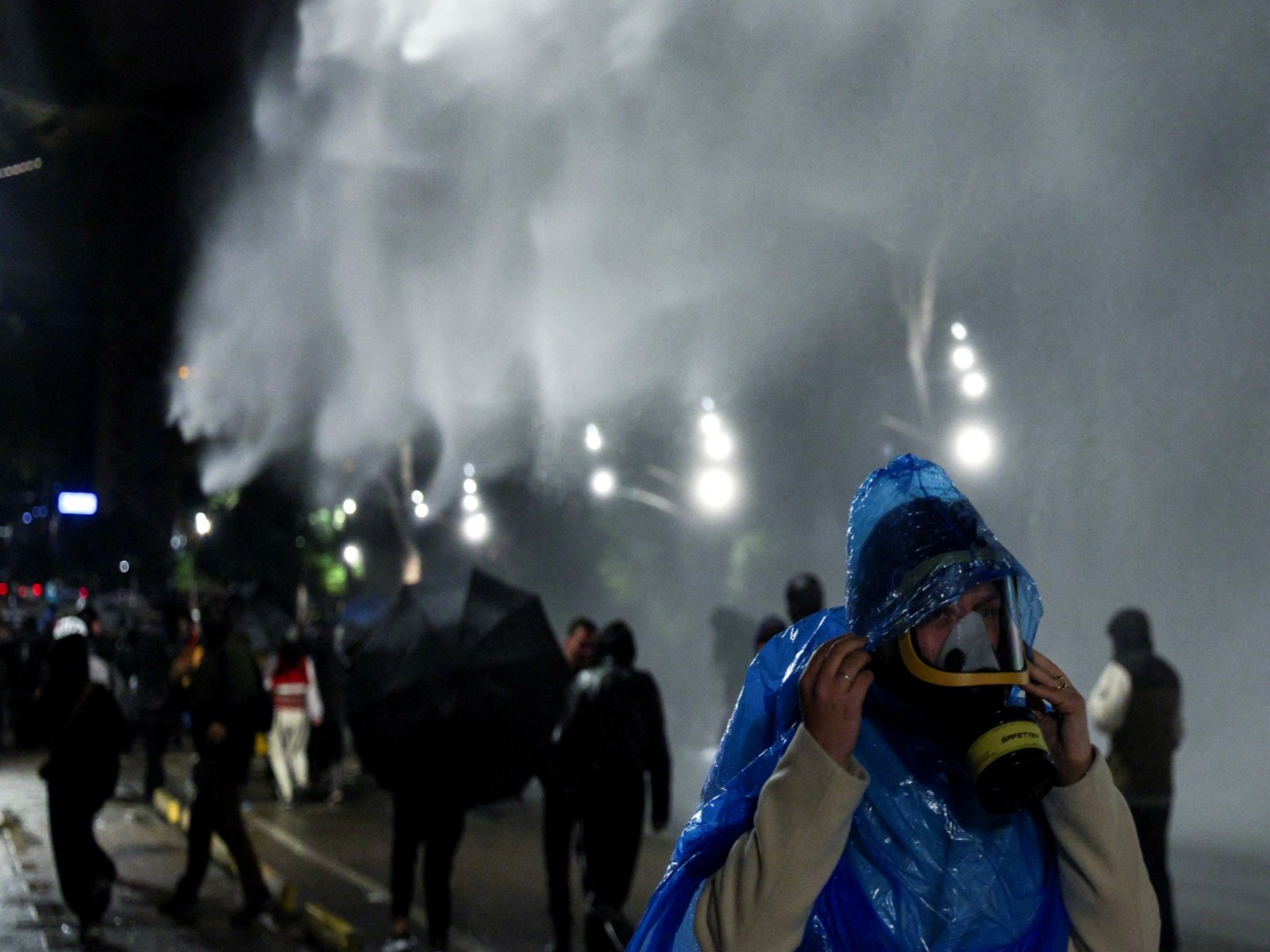
Dhaka [Bangladesh], November 2 (ANI): Unrest in Bangladesh's garment sector continued for the third consecutive day, with workers staging protests on Monday while demanding a substantial increase in minimum wages. Several factories remained shut amid fears of attacks and growing security concerns.
Demonstrations were reported in Gazipur's Konabari and Chandra areas near Dhaka, which are home to a large number of garment factories. Several factory owners have reportedly suspended operations, fearing attacks amid the continuing unrest.
Amid the protests, security forces have alleged that supporters of the banned Awami League, including former ousted Prime Minister Sheikh Hasina, are instigating the unrest. The government has claimed that the demonstrations are part of attempts to create instability in the country.
As this happened, Bangladesh Prime Minister Tarique Rahman held a meeting with senior ministers on Sunday, during which he said attempts were being made to destabilise the country ahead of December and linked the ongoing garment sector unrest to these developments.
Rahman also linked the situation to Hasina, who is currently in India and has announced her return to Bangladesh in December.
Bangladesh Home Minister Salahuddin Ahmed said the agitation was being incited from across the border.
He held a meeting with garment factory owners at the Secretariat on Monday morning amid efforts to address the situation.
At the centre of the protests is the demand for a significant revision of wages in Bangladesh's garment industry.
The current minimum monthly wage for garment workers stands at BDT 12,500, while protesters are demanding that it be increased to BDT 30,000.
The workers' demands have gained momentum following the Bangladesh government's recent announcement of a new pay scale for government employees, which roughly doubles their salaries and benefits. Garment workers are now pressing for a corresponding increase in their wages.
However, factory owners have expressed difficulties in meeting the demand, citing a decline in orders, stagnant prices and high costs of importing raw materials. They have maintained that these factors make a substantial wage increase difficult.
In response to the growing dispute, the government has constituted a wage board to determine revised wages for garment workers. However, despite the formation of the board, workers have continued their demonstrations, keeping the sector on edge.
The ongoing unrest has drawn attention to the importance of Bangladesh's Ready-Made Garments (RMG) industry, which began its journey in the late 1970s and early 1980s and has since evolved into a major pillar of the country's economy.
Bangladesh is now among the world's largest garment exporters, with the sector accounting for more than 80 per cent of the country's total export earnings.
The industry directly employs around four million workers, of whom women account for approximately 60 to 70 per cent, making it a major source of employment and social empowerment across the country.
With workers continuing to demand higher wages, factory owners citing mounting business constraints and the government attempting to mediate through a wage board, the protests have entered their third day, with several garment manufacturing units remaining closed amid continuing tensions. (ANI)
Bangladesh garment workers' protest over wage hike enters third day, factories remain shut