BusinessWire India
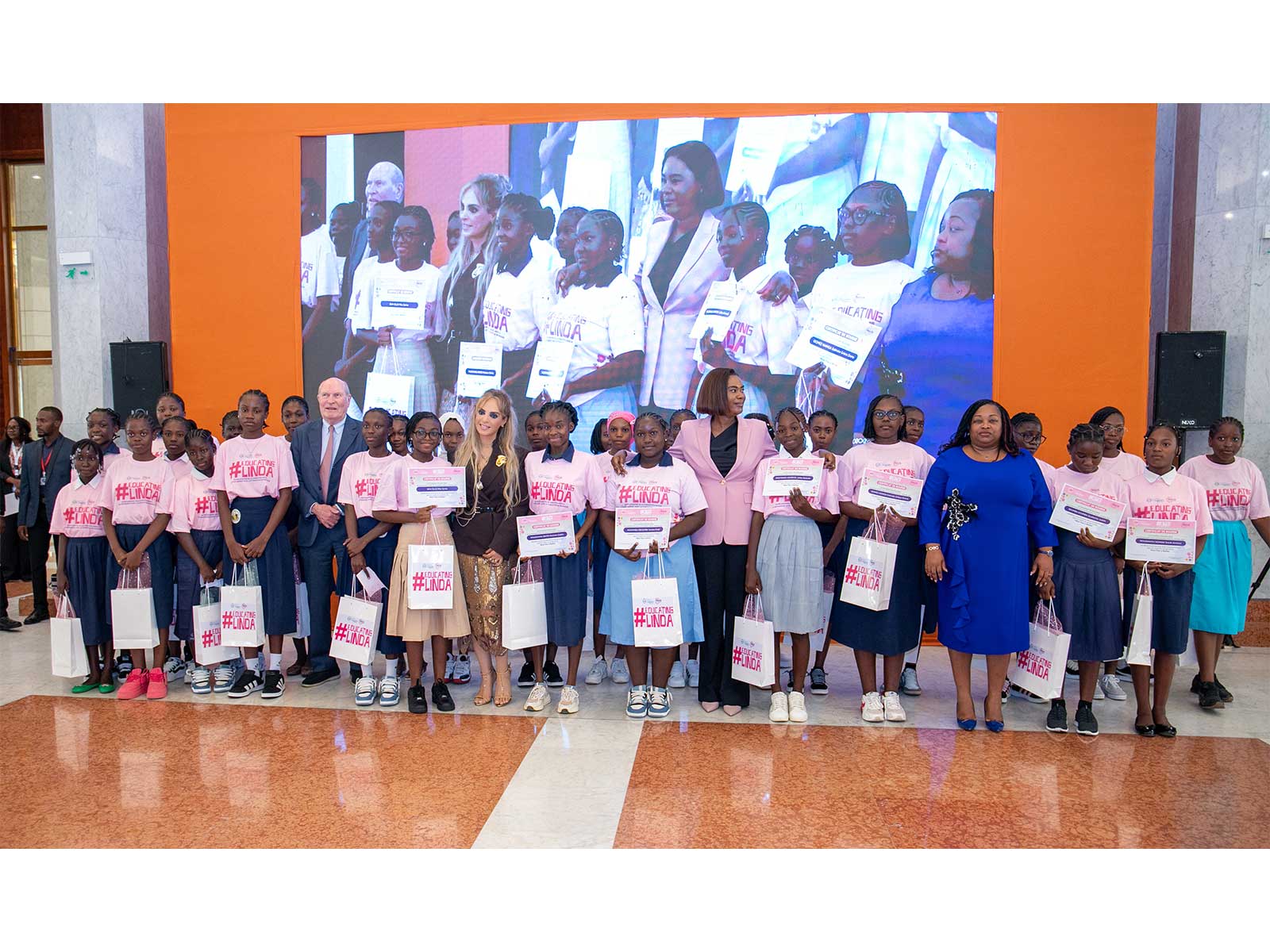
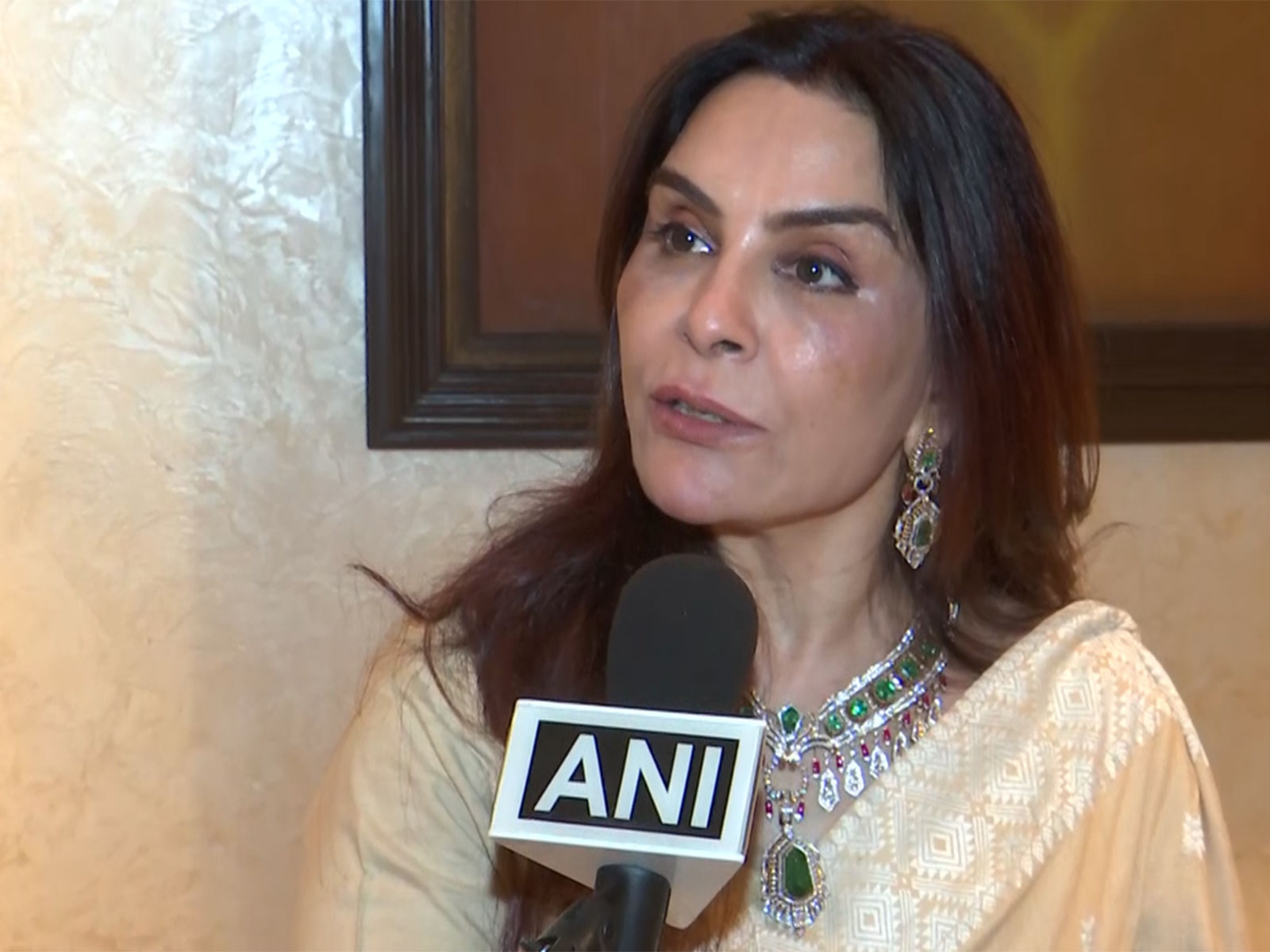
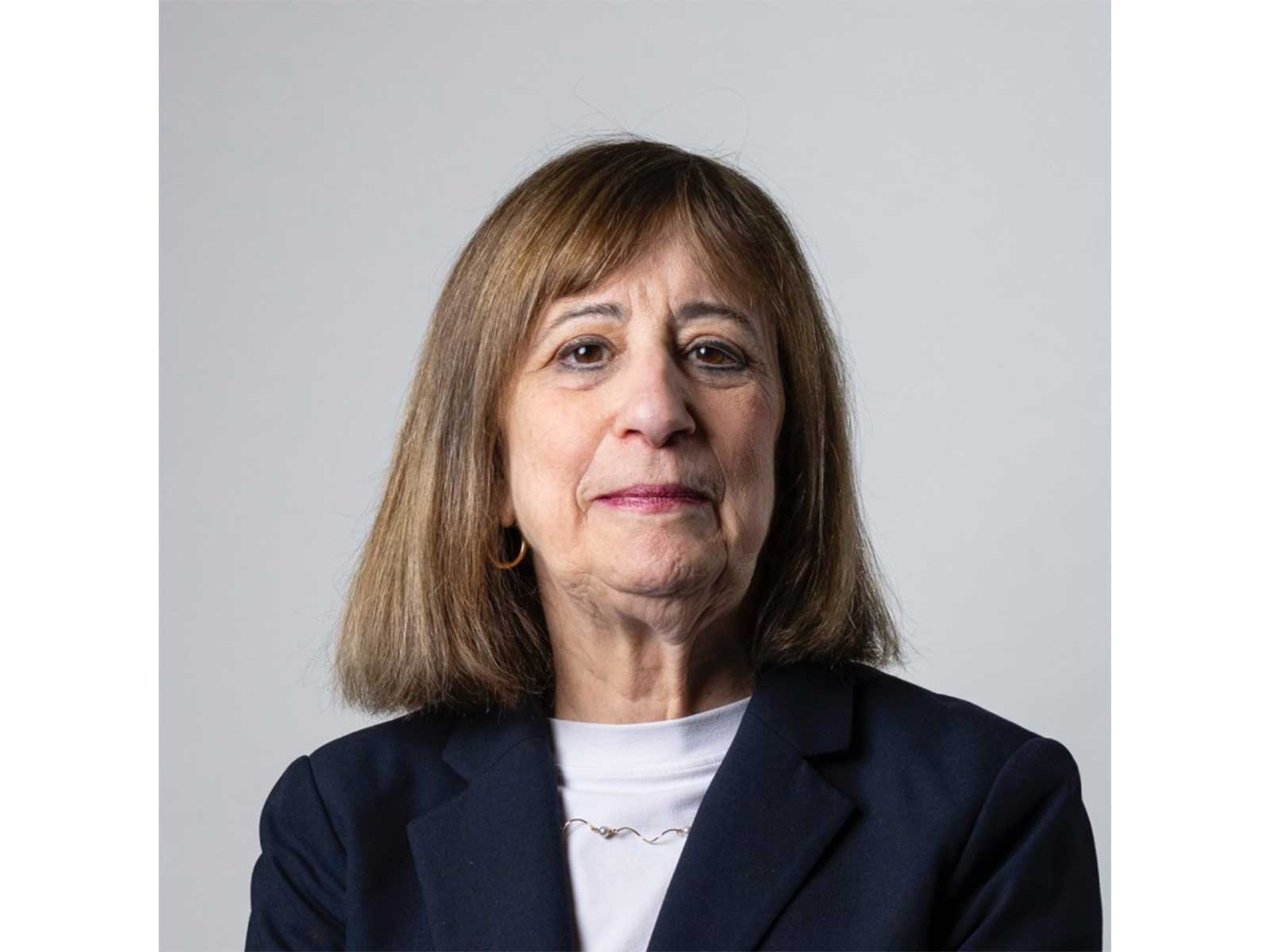
Lilongwe [Malawi]/ Mumbai (Maharashtra) [India], October 15: Dr. Rasha Kelej, CEO of Merck Foundation, highlighted the importance of creating an environment in which girls are encouraged to learn, pursue their ambitions and fulfil their potential. Through Merck Foundation’s “Educating Linda” programme and their partnerships with African First Ladies, she is an advocate for a broader approach to girls’ education that combines educational opportunities with sustained efforts to change the expectations surrounding girls at home and in their communities.
Senator Dr. Rasha Kelej (Retd.) shares, “A girl may have the ability to become a doctor, a scientist, an engineer, an entrepreneur or a president. Yet, long before she has the opportunity to discover her abilities, the people around her may already have decided what her future should look like. Sometimes those limits are spoken openly. Sometimes they appear in everyday decisions: whose education receives priority, who has time to study, whose ambitions are taken seriously and who is expected to abandon a dream. Is it the girl or the boy? This is why I believe that supporting girls’ education requires more than providing scholarships. We must also work to change the expectations that surround our girls.”
Through Educating Linda programme, Merck Foundation’s commitment to education carries a wider message: believe in a girl’s potential, give her the opportunity to develop it and support her throughout that journey.
The expectations we communicate can shape the opportunities we provide
In psychology, the Pygmalion effect, also known as the Rosenthal effect, describes how expectations can influence performance through the way people are treated.
In education, a teacher who believes a student can succeed may offer more encouragement, more constructive feedback and more opportunities to participate. Those actions can help the student learn and progress.
The same principle offers an important lesson for families and communities.
When a family believes that their daughter is capable of achieving something meaningful, that belief can influence daily decisions. They may protect her study time, take an interest in her progress, encourage her questions and help her continue when learning becomes difficult.
A girl receives more than words of encouragement. She receives evidence that her future matters.
Belief does not guarantee achievement. Girls still need quality education, resources, safety and opportunities. But the expectations surrounding them can influence whether those opportunities are offered, protected and sustained.
A scholarship opens a door. A supportive community helps her walk through it.
Providing a scholarship can remove an important financial barrier. But a girl may still return home to an environment where her ambitions are dismissed, her household responsibilities leave little time to study or her education is considered less important than her brother’s.
She may hear that science is for boys, leadership is for men or further education is unnecessary because marriage will determine her future.
These messages can undermine the opportunity a scholarship is intended to create.
She shares, “As a leader, I therefore ask a wider question: what happens around a girl after we help her enter or remain in school? Does her family encourage her to continue? Does her community respect her ambition? When she struggles, does someone help her—or interpret that difficulty as proof that she should stop?
Our responsibility is to help create an environment where a girl’s education is valued and her potential is allowed to develop.”
Why First Ladies’ advocacy matters
Dr. Kelej emphasizes on why she considers their partnerships with African First Ladies, who serve as ambassadors, so important.
Scholarships address a practical need. Advocacy can help address the beliefs that determine how families respond to that opportunity.
First Ladies can use their public platforms to bring girls’ education into national conversations and community life. Their advocacy can engage parents, teachers, traditional and religious leaders, the media and other influential voices whose support matters.
When a First Lady consistently champions girls’ education, she can help communicate that educating a daughter is a source of pride, a contribution to the country’s future and a responsibility that communities should share.
That message becomes more meaningful when it reaches families in language they understand, through people they trust and with examples they recognize.
A girl from a rural community who continues her education can make possibility visible to another family. A woman doctor, scientist or engineer can help parents imagine a future they may never previously have considered for their daughter.
“This is why I value advocacy that continues beyond a ceremony or an announcement. Cultural change requires repeated messages, local engagement and visible examples of what girls can achieve when they receive support,” she adds.
Believe in her—and show her what that belief means
Dr. Kelej believes that encouragement must be made practical.
Believing in a girl means giving her time to study. It means sharing household responsibilities fairly. It means listening when she describes what she wants to become.
It also means supporting her through disappointing results.
One difficult examination should not become a verdict on her future. A struggle with mathematics should lead to help, practice and patient teaching.
“We should communicate: You can learn. You can improve. We will help you keep going,” she shares.
High expectations must be accompanied by support. Otherwise, encouragement can become pressure.
A girl should never feel that she must become a president or a doctor to prove that she deserved an education. She deserves the opportunity to discover her abilities, develop her interests and choose a meaningful path of her own.
The cultural shift we need
The change begins when families stop asking whether a girl’s education is worth investing in and start asking how they can help her fulfil her potential.
It grows when communities recognise that talent is not determined by gender, that ambition is something to nurture and that a girl’s success expands what other girls believe is possible.
“This is the message I want Educating Linda to carry, alongside the scholarships we provide and the advocacy we undertake with our First Ladies partners. We want girls to remain in school. We also want them to grow up surrounded by people who take their futures seriously. To families and communities, my message is simple: believe in your girls, encourage them and turn that belief into daily support.
To every girl: your starting point does not have to determine how far you can go. You can aspire to become a doctor, a scientist, an engineer, a leader or pursue another future that matters to you.
The sky is the limit—and we must work together to ensure that the expectations around you give you room to rise.” Dr. Kelej concludes.
Join the conversation on our social media platforms below and let your voice be heard
Facebook: Merck Foundation
X: @MerckFoundation
YouTube: MerckFoundation
Instagram: Merck Foundation
Threads: Merck Foundation
Flickr: Merck Foundation
Website: www.merckfoundation.com
(ADVERTORIAL DISCLAIMER: The above press release has been provided by BusinessWire India. ANI will not be responsible in any way for the content of the same)
Before a Girl Can Reach Her Potential, Her Family and Community Must Believe She Has One: Shared Dr. Rasha Kelej, CEO of Merck Foundation