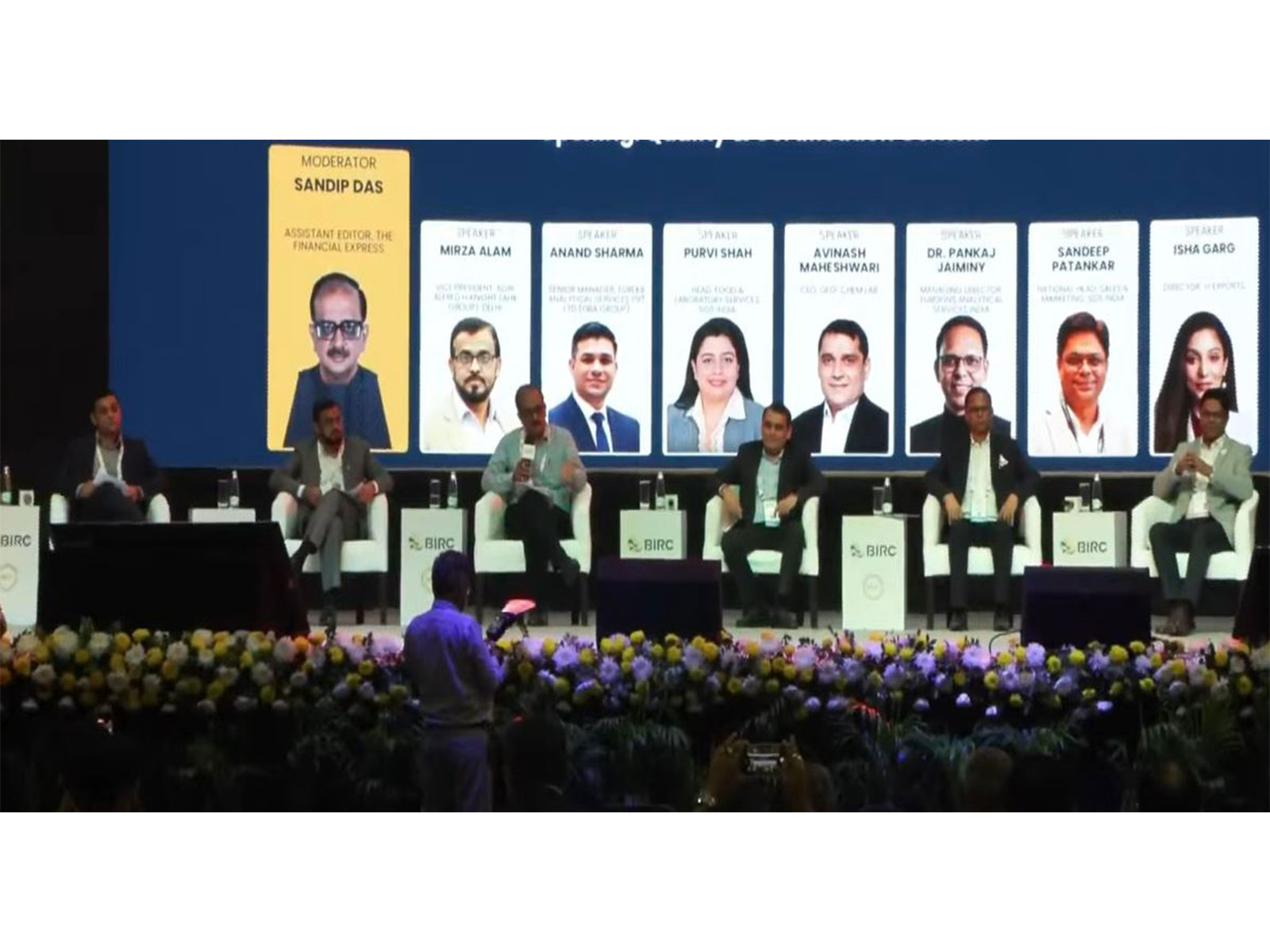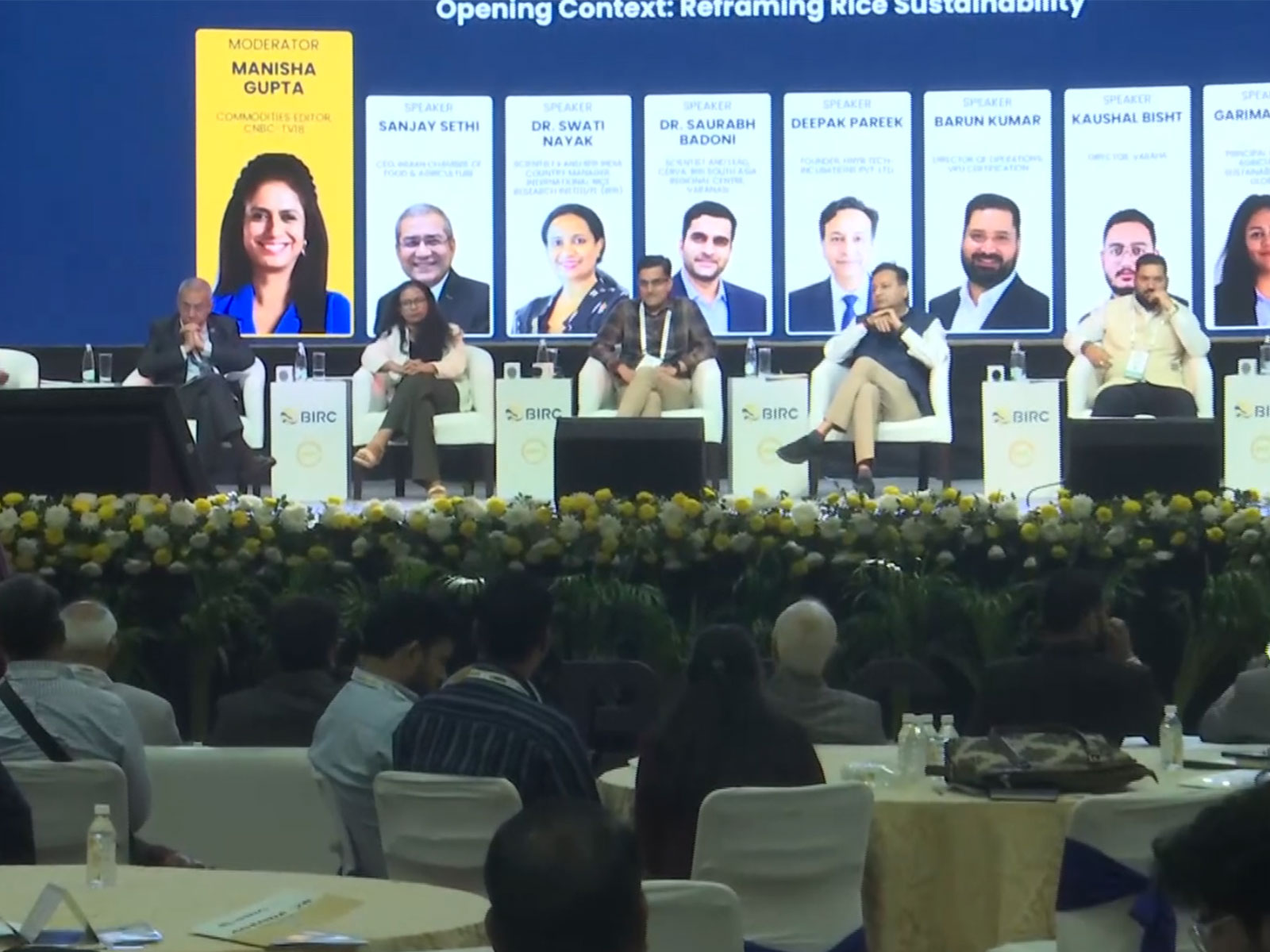
New Delhi [India], October 24 (ANI): Better port infrastructure, greater utilisation of free trade agreements (FTAs) and supportive government policies can help India strengthen its position in global rice markets, industry leaders said at the Bharat International Rice Conference (BIRC) 2026 on Saturday.
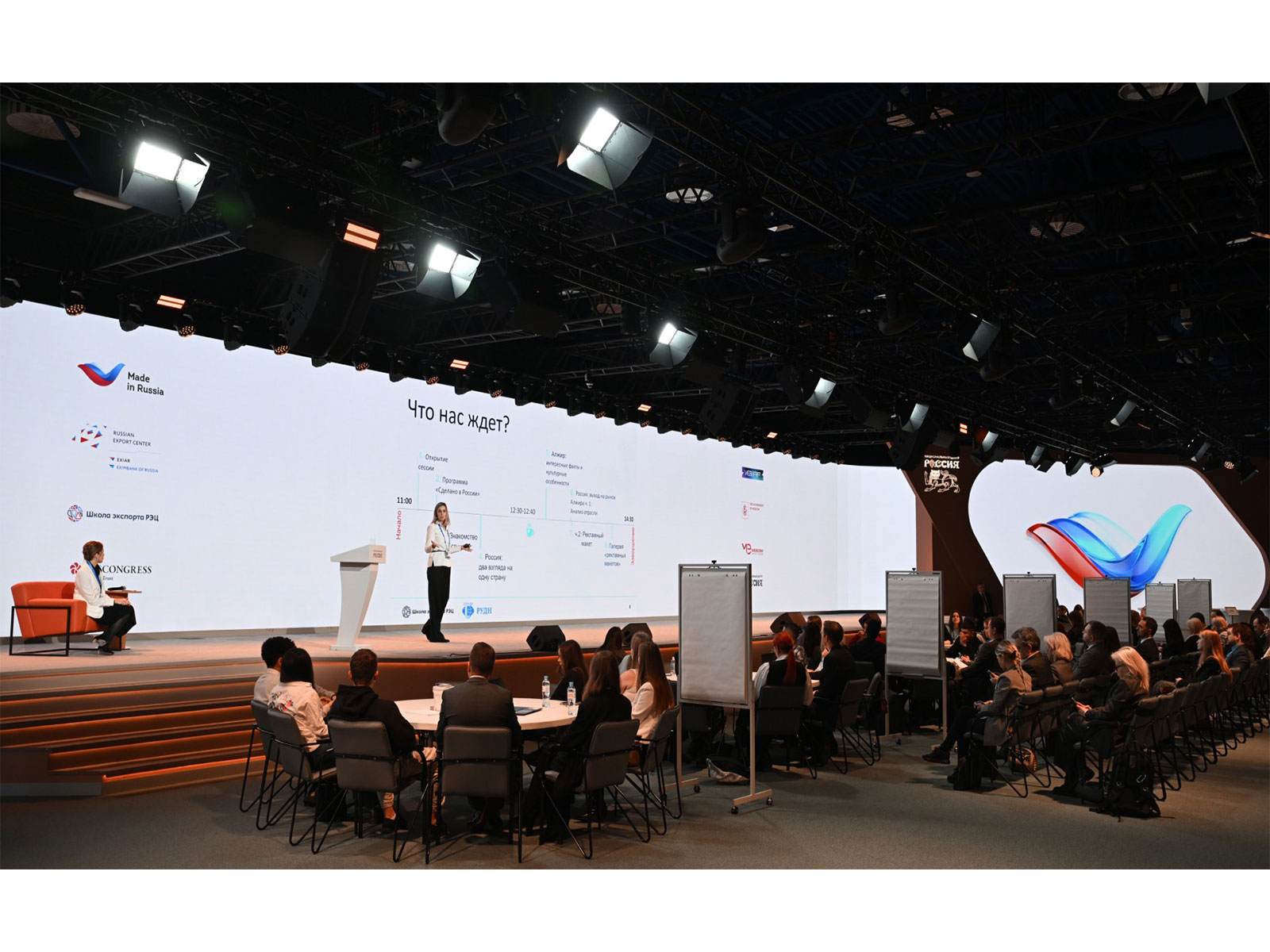
During a panel discussion on trade policies, export incentives and market opportunities, experts emphasised improving logistics, expanding access to international markets and aligning rice production with global demand.
Ravi Gupta, Executive Director and Board Member, Shree Renuka Sugars Limited, highlighted the importance of efficient transportation and shipping infrastructure for agricultural exports.
"Are we equipped enough for the logistics?" Gupta asked, stressing that competitiveness depends not only on rice quality and pricing but also on timely delivery to international buyers.
He called for better utilisation of ports in Odisha and West Bengal, including Haldia, and a comprehensive policy to facilitate agricultural cargo shipments.
Tarun Bajaj, former Director, SEBI, and Senior Consultant, APLOA, highlighted the benefits of FTAs in reducing tariffs, addressing trade barriers and making export procedures more predictable.
"FTA has definitely given us a bonus," Bajaj said, adding that exporters should take advantage of government support schemes.
He also indicated that APEDA's export promotion scheme was expected to become operational within days.
Shubhranshu Mishra, Additional Secretary, Government of Odisha, and Managing Director, APICOL, outlined the state's ambition to increase rice exports from around Rs 321 crore to Rs 10,000 crore by 2047.
"Our export strategy cannot be a residual approach," Mishra said, emphasising the need to identify international demand and develop production and aggregation systems accordingly.
Prashant Raizada, Trade Compliance and Incentives, EY, highlighted opportunities in markets including the UK, Australia, Switzerland and Norway.
He noted that the UK and Australia account for only around 1.26 per cent and 0.38 per cent, respectively, of India's total rice exports, indicating significant scope for market expansion.
"So, we have data to prove that these free trade agreements are definitely helping the country," Raizada said, urging exporters to leverage existing trade agreements.
Rajesh Paharia, Chief Manager, Business Development, KRIBHCO Agri, highlighted the importance of a stable export policy environment, noting that India's rice trade had faced relatively few policy disruptions during 2025-26.
He also pointed to changing import regulations in African markets, including Senegal and Kenya, which exporters need to navigate.
Rajiv Kumar, Executive Director, The Rice Exporters Association (TREA), highlighted opportunities through international trade finance and humanitarian procurement programmes.
He also stressed the importance of addressing pesticide-residue compliance requirements to improve market access and reduce shipment rejections.
The conference also witnessed the launch of “The Rice Economy: India, the World and the Future of Rice”, authored by Dr Prem Garg, examining India's rice sector and its future in global trade.
The Bharat International Rice Conference 2026 is being held from October 23 to 25 in New Delhi, bringing together Indian exporters, international buyers and other stakeholders in the global rice trade. (ANI)
Better logistics, trade pacts, policy support can boost India's rice exports: Industry leaders at BIRC 2026