VMPL
Bengaluru (Karnataka) [India], October 8: India loses an estimated 135 hectares of forest cover every day. Trees that once anchored entire ecosystems — varieties that attracted specific birds, sheltered specific insects, held specific soils together — are disappearing quietly, one species at a time. We grieve endangered tigers and vanishing hornbills, but rarely ask the harder question: what happened to the trees they lived in?
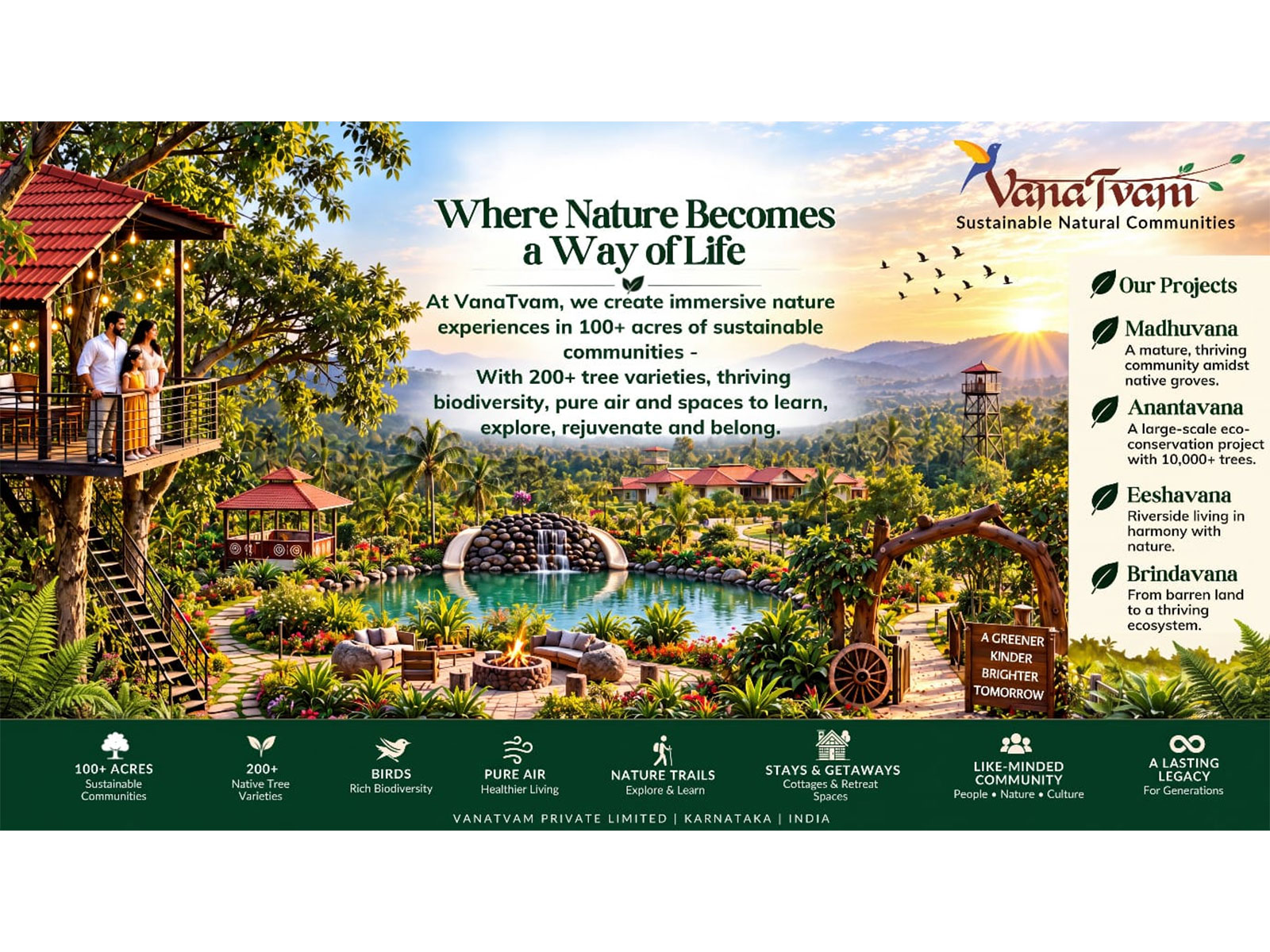
Vanatvam Private Limited, a Bengaluru-based nature-first land development company, is building its answer across 100+ acres of Karnataka — not through activism or policy, but through a commercially viable model that turns ordinary farmland into evolving, biodiverse ecosystems.
The company's name holds its philosophy. Vana means forest. Tvam means you. Forest is you. You are the forest. The boundary between human life and the natural world, Vanatvam argues, was never meant to exist.
The Problem with Conservation Without People
Most conservation efforts ask people to stay away from nature. Vanatvam inverts that idea. Its model brings people in — as owners, as residents, as custodians — and makes the human presence the reason the ecosystem grows, not the reason it shrinks.
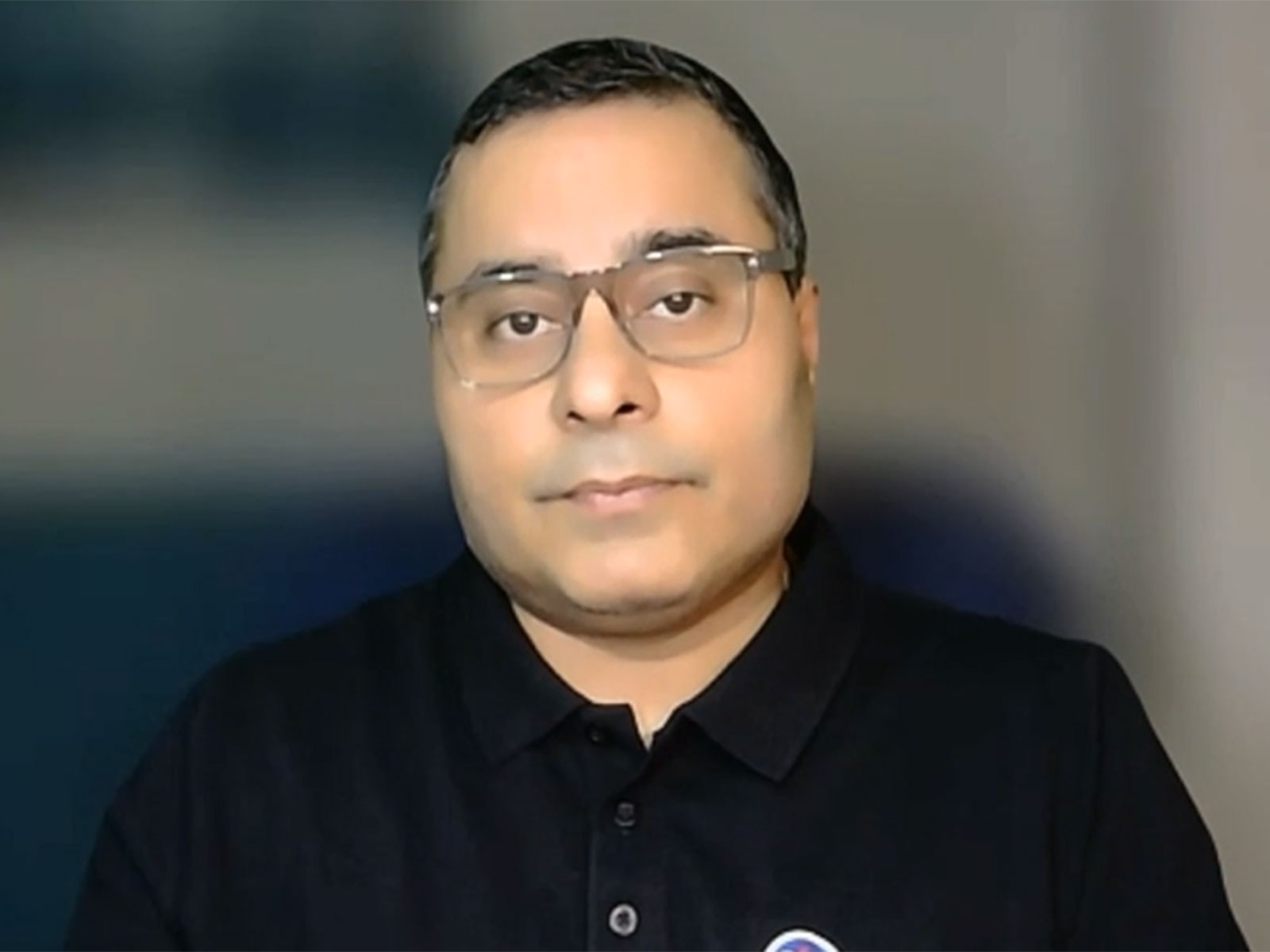
"We cry about endangered birds and animals," says Deepak Kasthuri, Managing Director of Vanatvam. "But every tree variety we lose cascades into habitat loss — for the birds that nested in it, the insects that pollinated it, the soil organisms that depended on it. If you want to save the wildlife, start by saving the trees."
Across its communities, Vanatvam has introduced and conserved over 200 varieties of trees and plants, including rare and endangered native species — planted not as ornamental landscaping, but as functioning habitat. The result is measurable: Indian Grey Hornbills, Woolly-necked Storks, Asian Green Bee-eaters, Baya Weavers and Purple Herons now inhabit landscapes that were, in some cases, barren land just a few years ago.
Biodiversity by Design
Vanatvam's approach begins not with a site plan but with the land itself — its soil, water, terrain, existing vegetation and ecological potential. Native trees, thematic forests drawn from India's ancient grove traditions such as Nakshatra Vana and Navagraha Vana, water bodies, walking trails and habitat corridors are designed into the landscape from day one.
The long game, however, is what sets the model apart. Vanatvam creates what it calls evolving ecosystems — landscapes planted and managed with enough diversity and density that birds and bees eventually take over, carrying seeds across boundaries, cross-pollinating species, and expanding the green cover far beyond what any human planting programme could achieve alone.
In ecological terms, Vanatvam builds the starter ecosystem. Nature builds the rest.
This demands enormous commitment — years of planting, soil management, water conservation and ecological monitoring before the landscape reaches the tipping point where it begins to sustain and expand itself. It is conservation measured not in months but in decades.
The Human Experience at the Core
Vanatvam's insight is that conservation cannot survive on idealism alone. People need to experience nature in ways they can relate to from their everyday lives — comfortable stays, gathering spaces, walking trails, farm-to-table food, cultural celebrations — before they become invested in protecting it.
Each community is therefore designed around human experience as much as ecological function. Cottages built with clay blocks and mud bricks sit within the landscape, not apart from it. Ponds, groves, gazebos and nature trails create spaces where families spend weekends and return, season after season.
The commercial model reinforces the conservation model. While each member acquires a parcel within the community, they experience the entire landscape — the shared forests, the common water bodies, the walking trails, the birdlife. Ownership is individual. The experience is collective.
This is not a resort. There is no check-out time. Members are long-term stakeholders in a living ecosystem — and that changes how they relate to the land.
From Barren Land to Living Forests
The proof is in the transformation. Brindavana in Pavagada began as largely barren land and has developed into a thriving green ecosystem across 30 acres. Madhuvana in Maddur is built around 250+ native trees and a water-forest ecosystem across 18 acres. Anantavana near Kabini sits within the Bandipur–Nagarhole wildlife corridor across 35 acres.
Eeshavana, the newest community, stretches along the Cauvery riverfront at Kollegala.
Over 80% of developed land across these communities has been transformed into native green cover — a number that inverts the typical ratio in conventional land development.
Recognition and the Road Ahead
Vanatvam's work recently received institutional recognition through an FKCCI Award in Tourism and Hospitality from the Federation of Karnataka Chambers of Commerce and Industry — an acknowledgment that nature-led development and commercial viability are not contradictions.
The company is now expanding its portfolio across Karnataka, with newer communities and a broader vision that encompasses eco-conscious destinations, biodiversity landscapes and regenerative land initiatives.
At its core, Vanatvam is testing a proposition that India's land development industry has largely ignored: that the most valuable thing you can do with land is not build on it, but help it grow into what it was always meant to be — a forest.
About Vanatvam
Vanatvam Private Limited (CIN: U01100KA2022PTC159587) is a Bengaluru-based company developing Natural Sustainable Farm Communities across Karnataka. With projects including Madhuvana, Brindavana, Anantavana and Eeshavana, Vanatvam combines responsible land development, biodiversity creation and community-oriented planning. For more information, visit www.vanatvam.com.
(ADVERTORIAL DISCLAIMER: The above press release has been provided by VMPL. ANI will not be responsible in any way for the content of the same)
Biodiversity by Design: How Bengaluru- based Vanatvam is Building Forests that Build Themselves