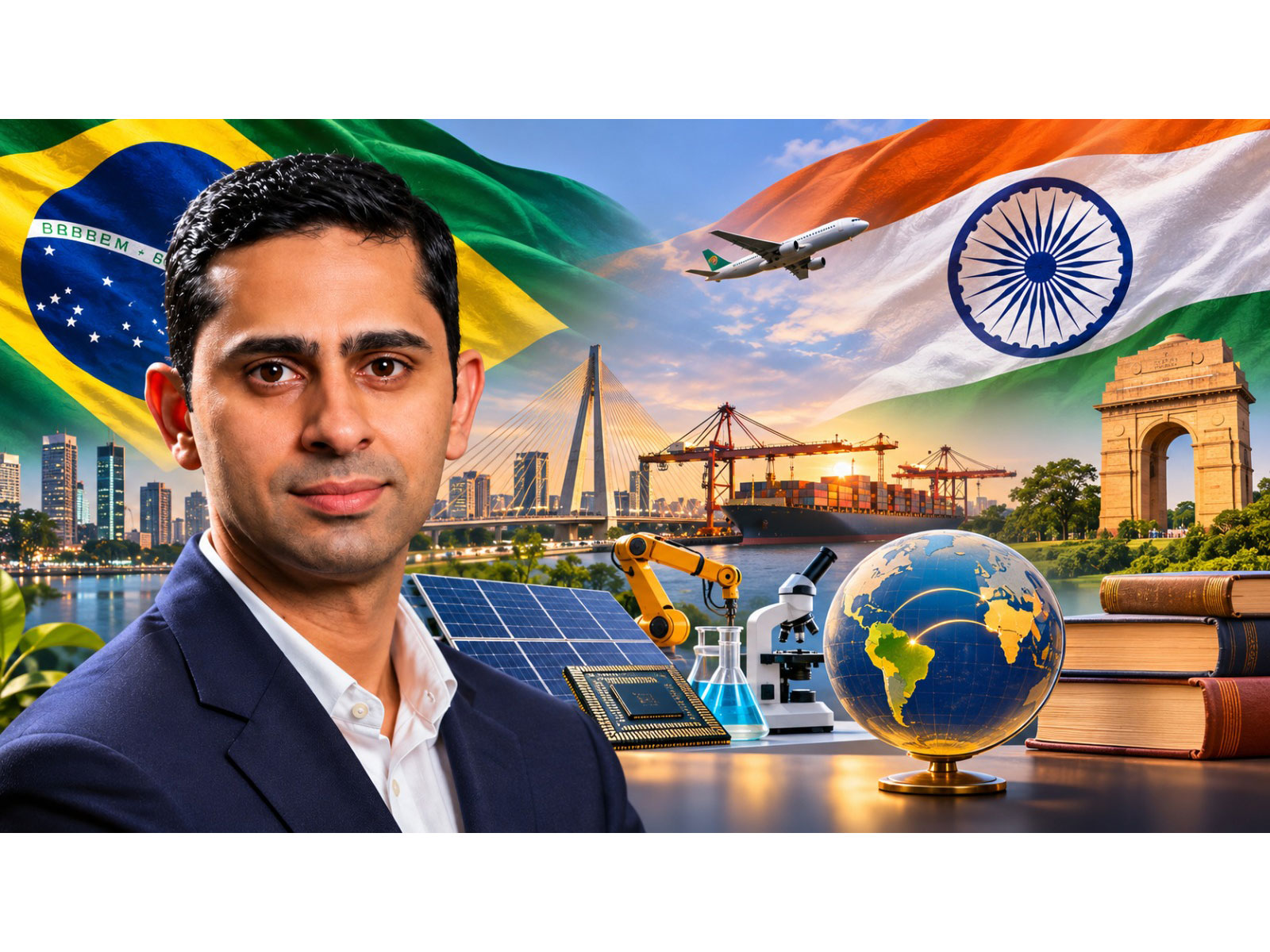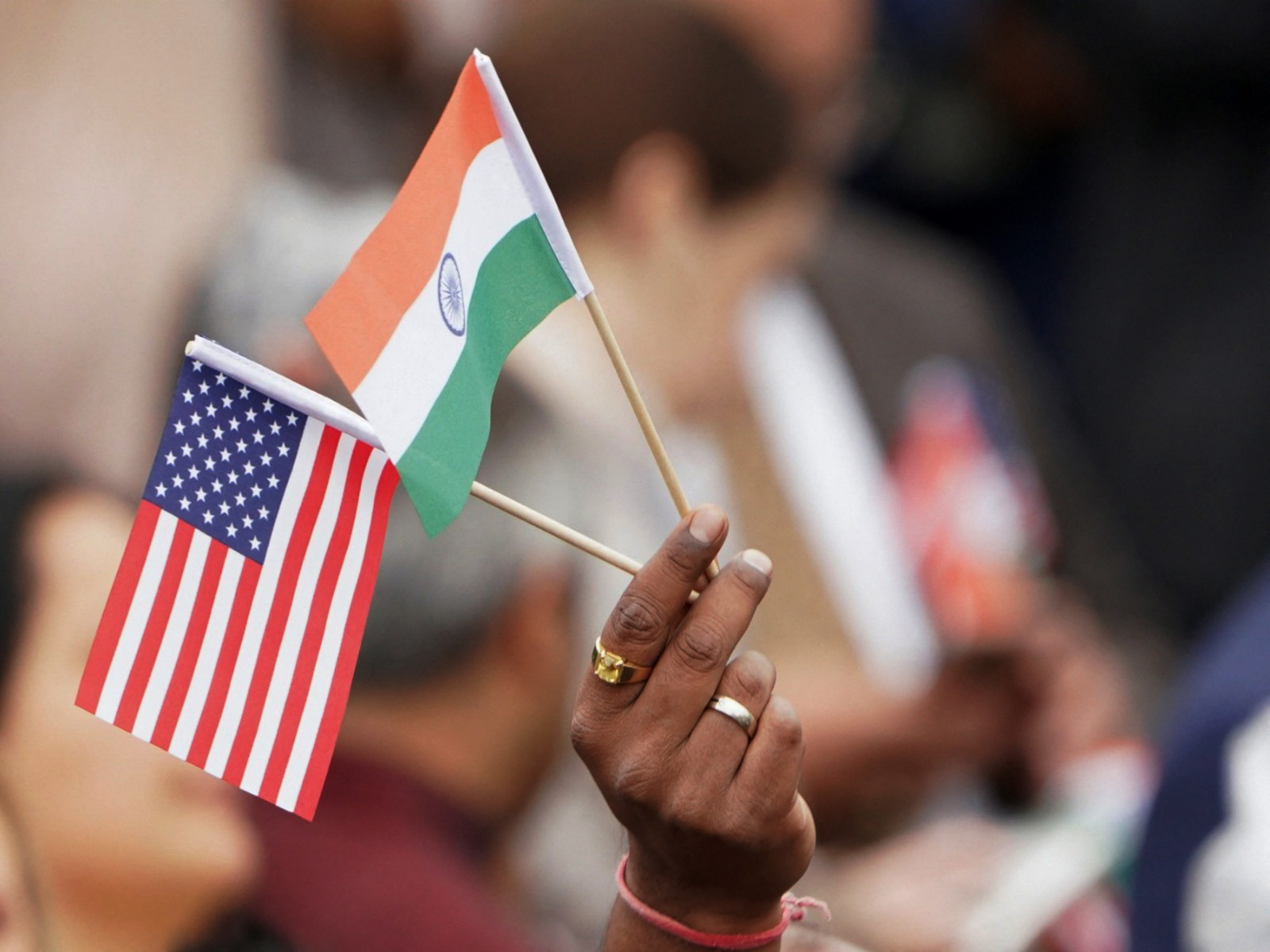
Sao Paulo [Brazil], November 23 (ANI): Despite being among the world's largest emerging economies and sharing strategic platforms such as BRICS, IBSA and the G20, Brazil and India continue to face a significant mutual knowledge gap that limits their economic, commercial and cultural ties.
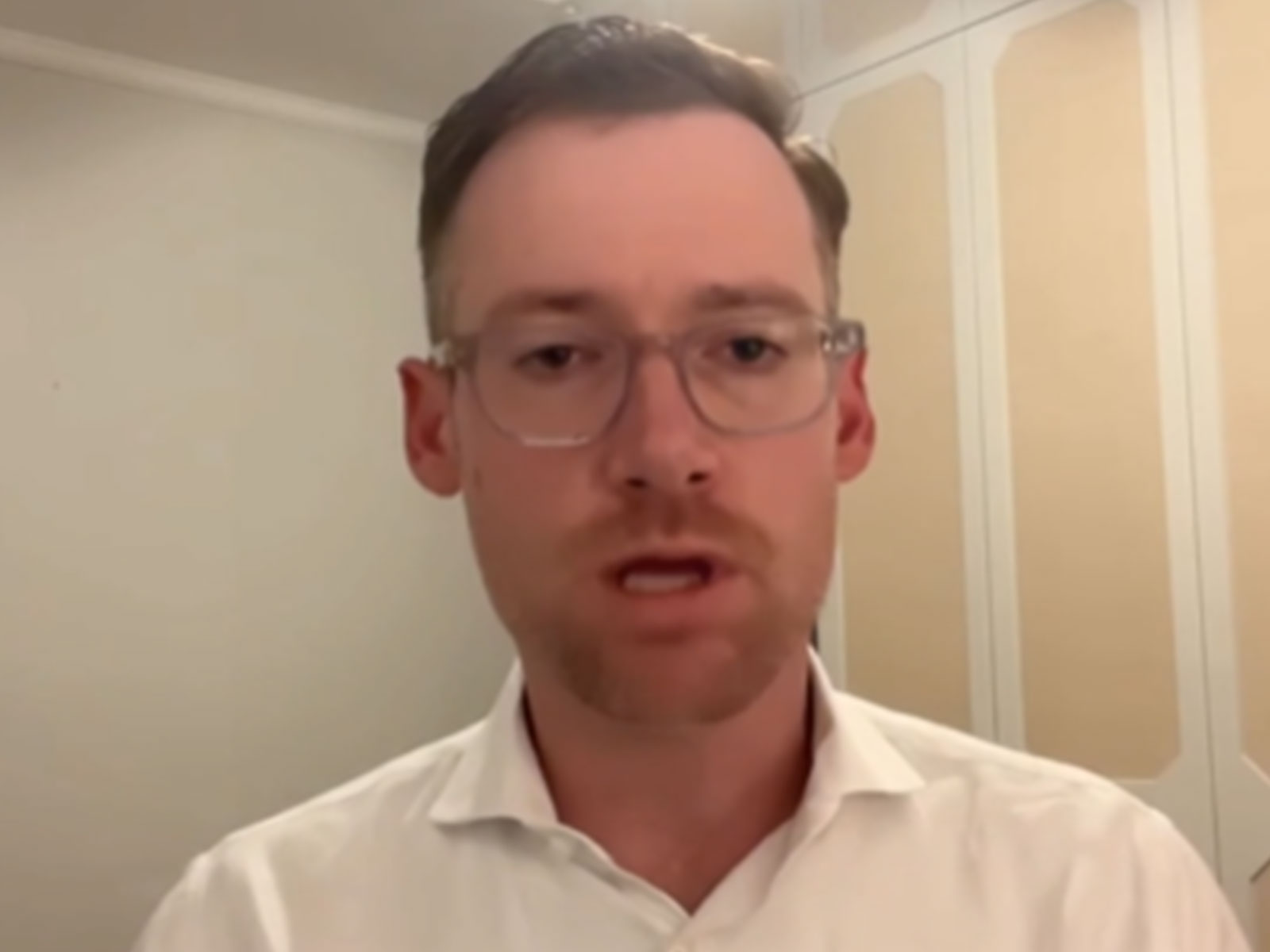
This was the central theme of the second episode of the Global South Podcast, an initiative of the Global South Institute in partnership with Brasil 247 and TV 247, hosted by Indian journalist Shobhan Saxena, who is based in Brazil.
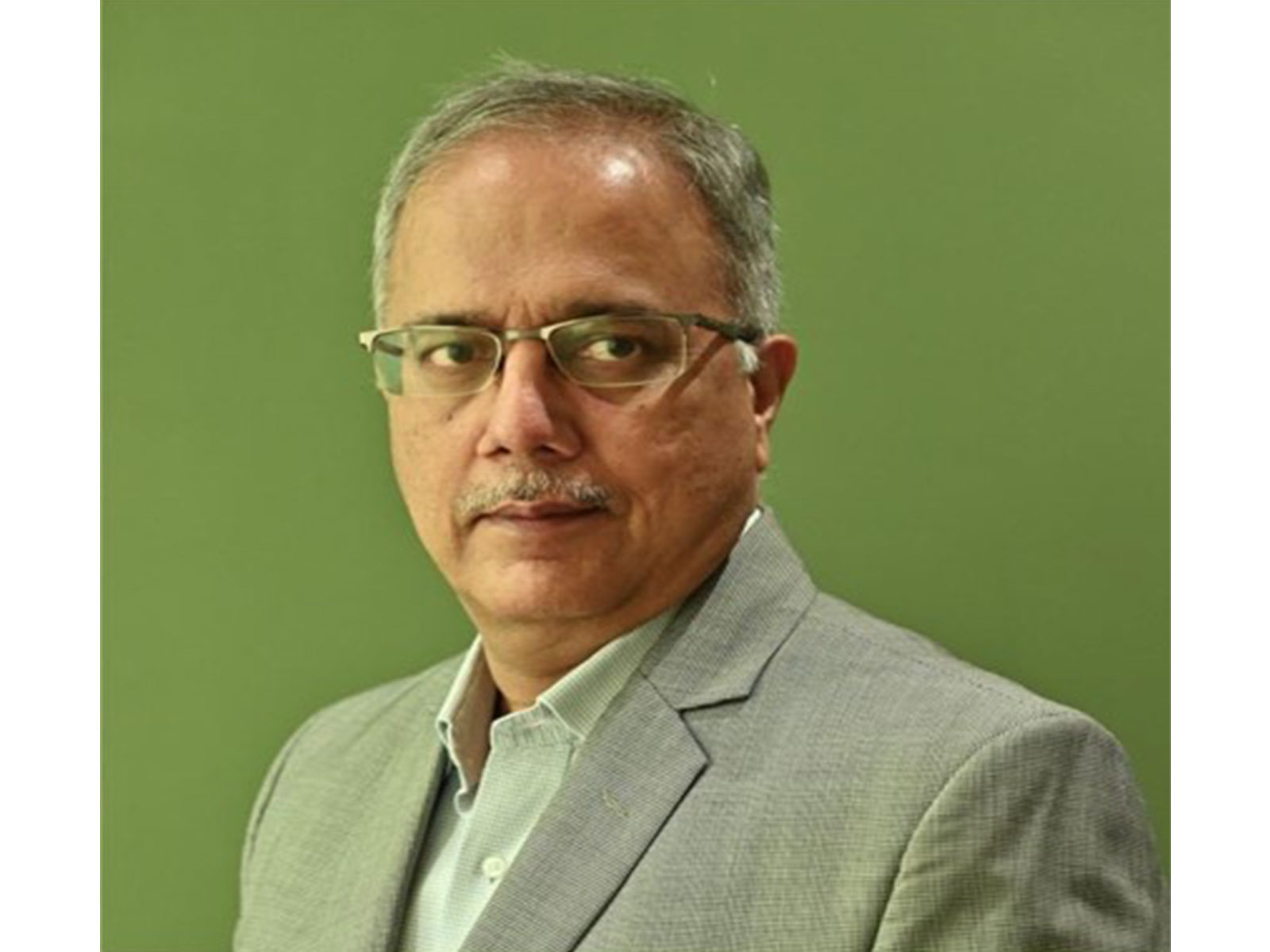
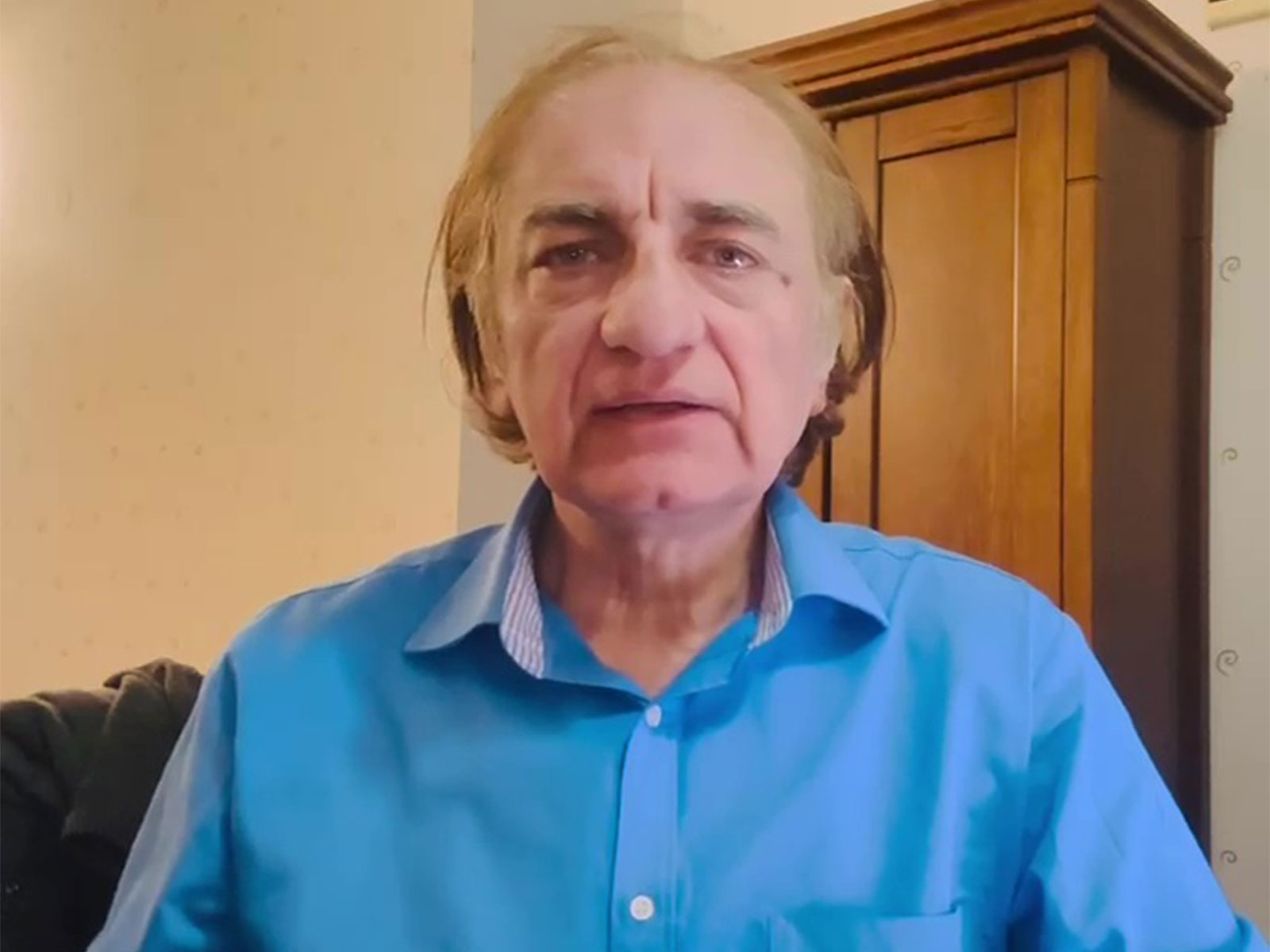
According to Brasil 247, the episode featured Umesh Mukhi, a professor of management, organisational behaviour and leadership development at Fundação Getulio Vargas (FGV). Mukhi discussed the growing integration of businesses from both countries across pharmaceuticals, information technology, motorcycles, aviation and defence, along with the geopolitical prospects of Brazilian President Luiz Inácio Lula da Silva's fourth term.
During the discussion, Saxena and Mukhi observed that Brazil and India have traditionally focused much of their academic, media and economic attention on the United States and Europe. Mukhi attributed the limited understanding between the two countries to language barriers, cultural influences and stereotypes.
While Brazil is often associated with football in India, perceptions of India in Brazil frequently overlook its economic growth and expanding global influence.
To bridge this gap, Mukhi introduced the India Immersion Week at FGV, an initiative offering Brazilian students exposure to India's diplomatic, corporate and cultural landscape. The programme includes interactions with diplomats, business executives, technical visits and cultural activities involving Indian music and yoga.
Highlighting the growing role of private companies, Mukhi said businesses have emerged as important drivers of Brazil-India relations. Indian pharmaceutical companies, including Lupin, Dr. Reddy's Laboratories and Glenmark, have established operations in Brazil and Latin America.
Indian technology firms such as Tata Consultancy Services (TCS), Wipro, Infosys and HCL have also expanded their presence. TCS employs approximately 6,000 professionals across Brazil and neighbouring countries, according to figures discussed during the podcast.
In the automobile sector, Royal Enfield and Bajaj have strengthened their Brazilian operations, while TVS has announced plans to establish a production line in Manaus. Brazilian engineering company WEG has also announced investments in Tamil Nadu, reflecting growing business engagement in both directions.
Despite bilateral trade increasing from around USD 15 billion to USD 20 billion, Mukhi said considerable potential remains untapped.
He highlighted opportunities for cooperation in aviation and defence, particularly involving Brazilian aircraft manufacturer Embraer, following agreements signed during Lula's February 2026 visit to India.
Healthcare is another emerging area, with potential exchanges between Brazil's Unified Health System and India's cost-effective healthcare innovations. He cited Narayana Health, founded by Dr. Devi Shetty, as an example.
Discussing Lula's fourth presidential term, Mukhi said Brazil and India share interests in strengthening strategic autonomy and expanding the Global South's role in global governance.
He described BRICS as a platform for emerging economies to diversify economic partnerships rather than an anti-Western grouping.
Both Lula and Prime Minister Narendra Modi have also emphasised national sovereignty and cooperation in emerging technologies, including artificial intelligence and space exploration.
Concluding the discussion, Saxena said the Global South Podcast aims to create a platform for direct exchanges among academics, business leaders and policymakers from developing countries, while encouraging greater understanding beyond perspectives traditionally shaped by the United States and Europe. (ANI)
Brazil, India must overcome knowledge gap to deepen bilateral ties: FGV professor