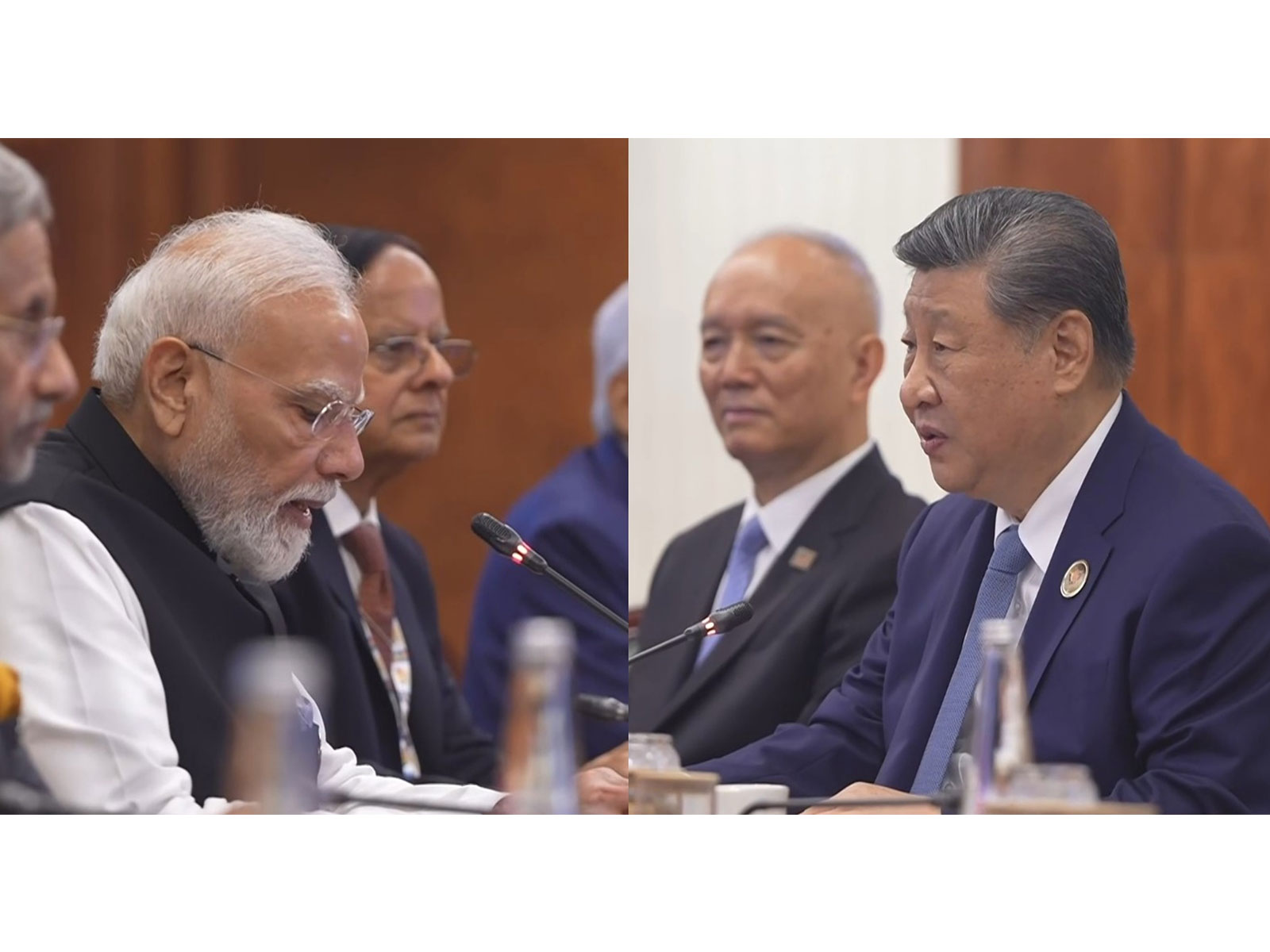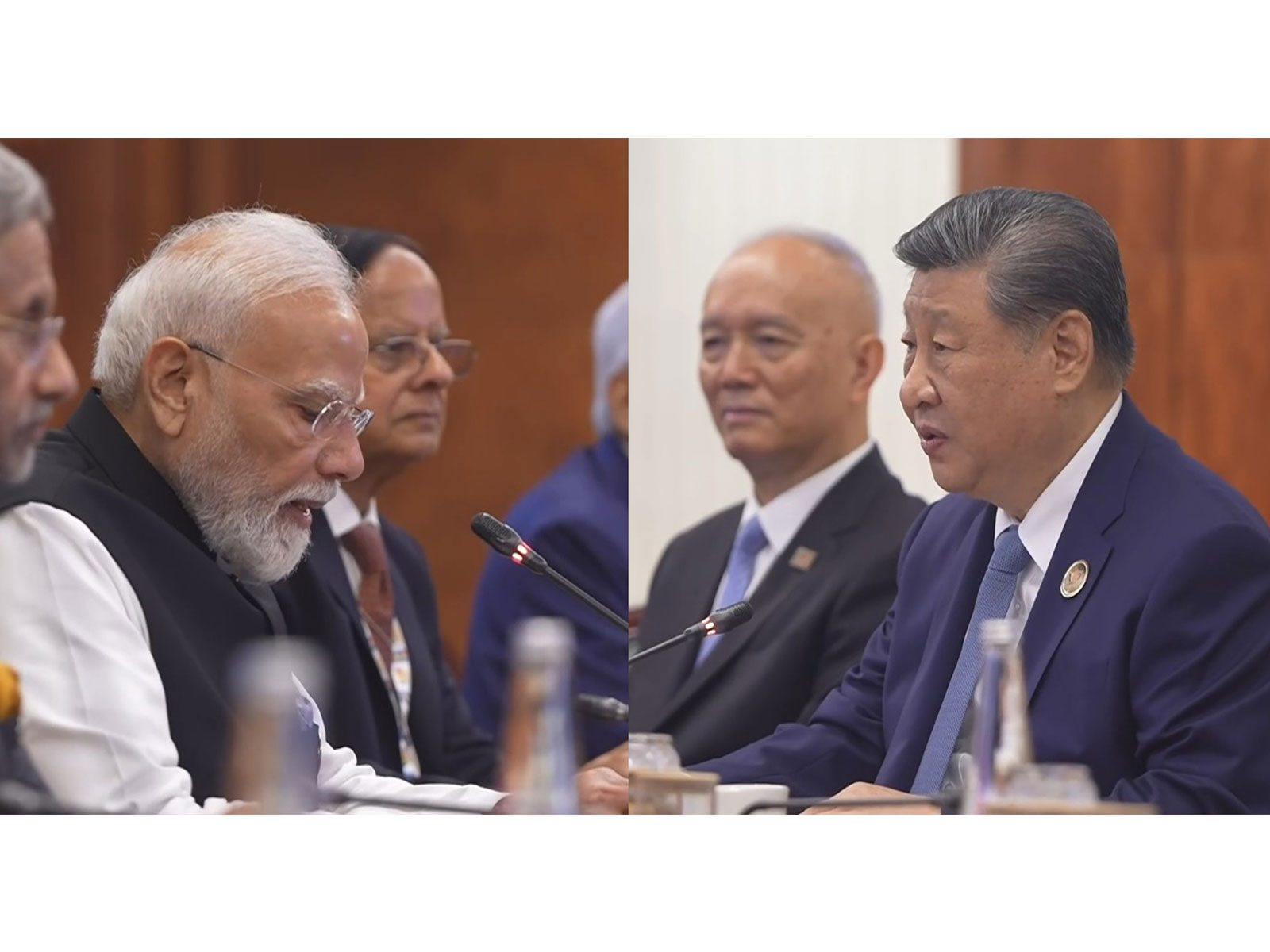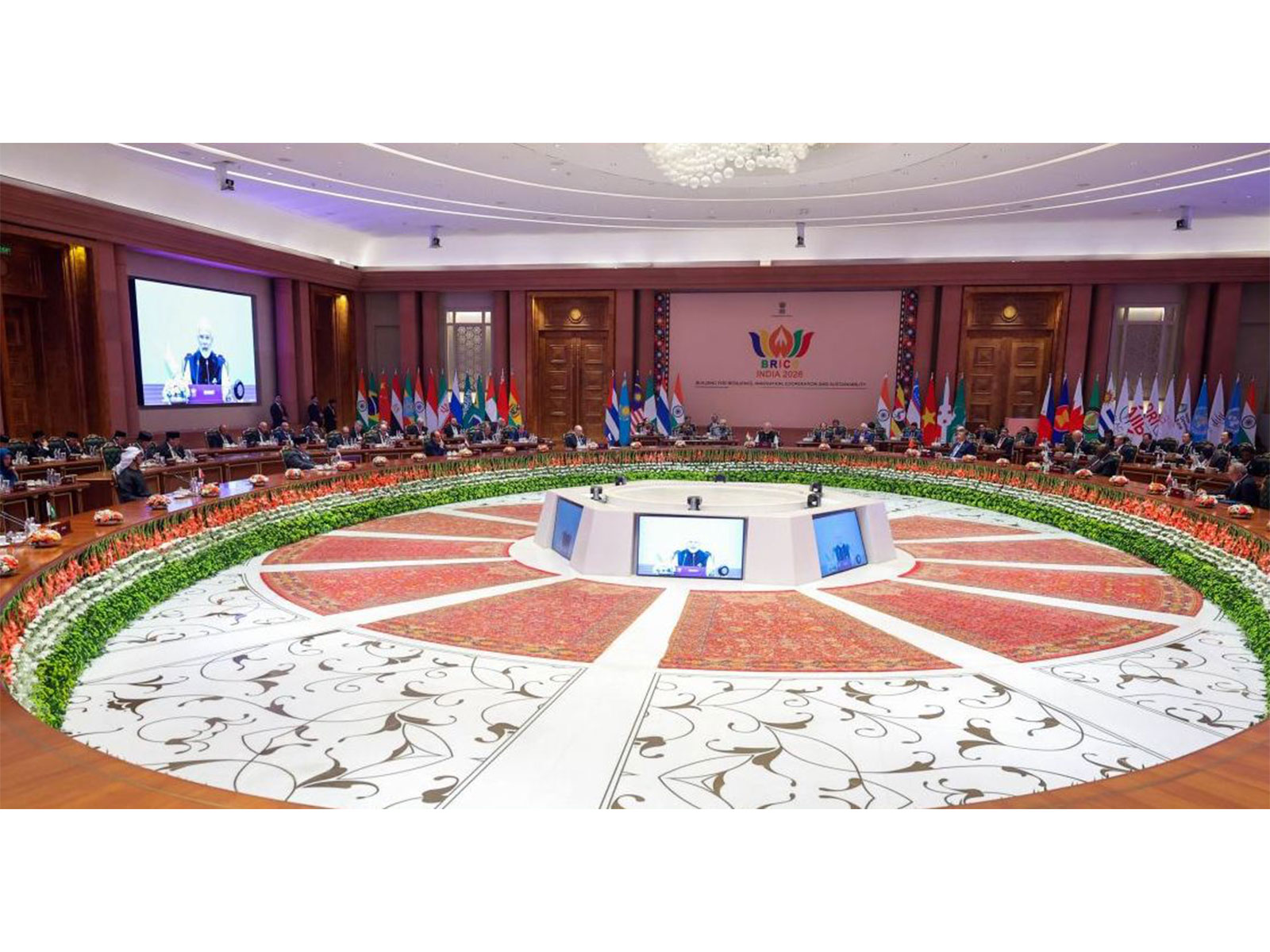
New Delhi [India], September 12 (ANI): The New Delhi Declaration 2026, adopted unanimously at the 18th BRICS Summit in the national capital, has placed strong emphasis on strengthening cultural and people-to-people cooperation among member countries, with the grouping calling for greater exchanges in education, tourism, culture, sports, youth affairs, women-led development and civil society.
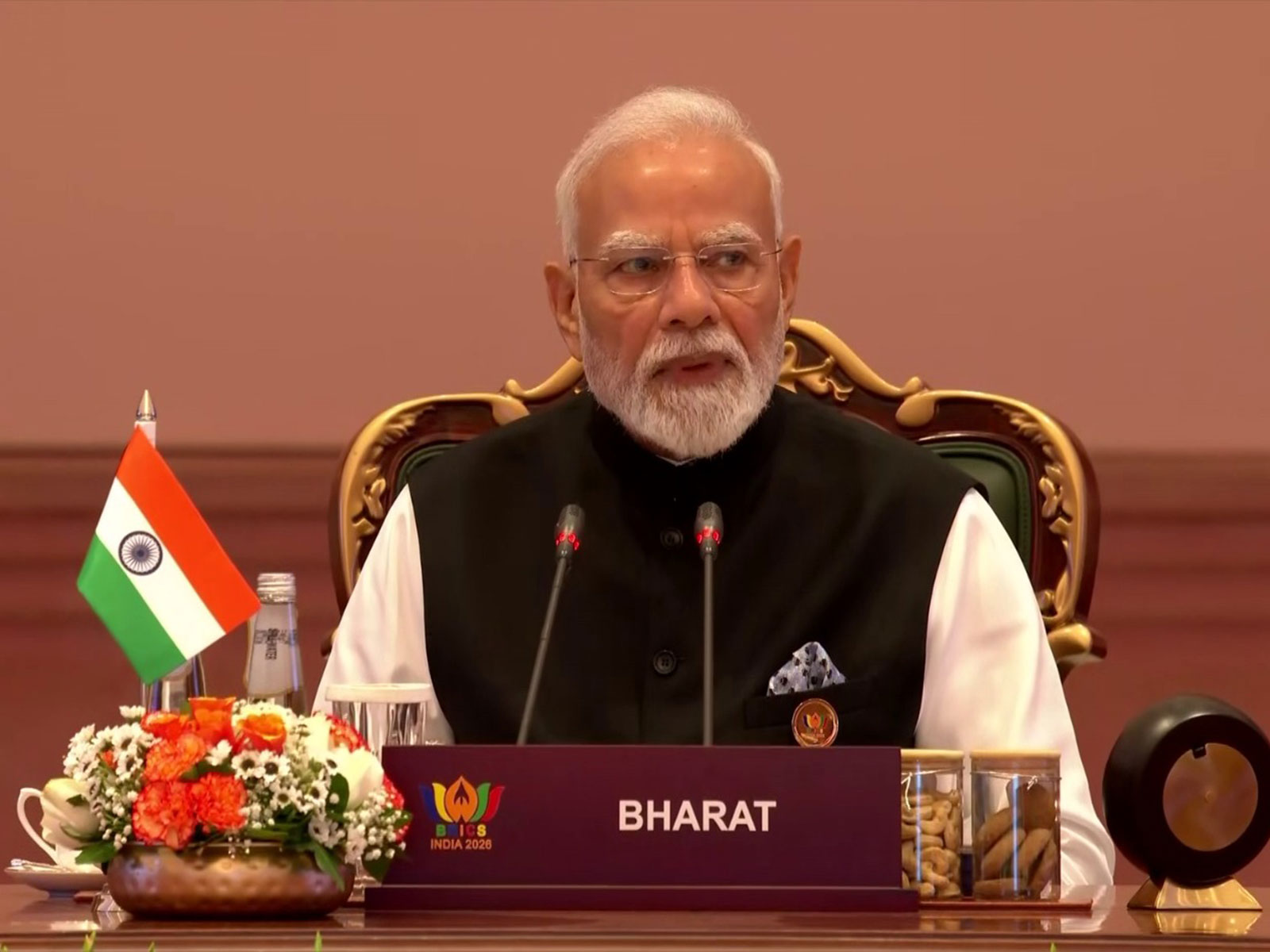
Prime Minister Narendra Modi on Saturday announced the unanimous adoption of the declaration at the Summit, saying, “No member has raised any objection. The New Delhi Declaration 2026 is adopted unanimously.”
Under the section on “Strengthening Cultural & People-to-People Cooperation”, BRICS countries reaffirmed the importance of people-to-people exchanges and initiatives in enhancing “mutual understanding, friendship and cooperation” among member nations and their peoples.
The declaration welcomed the holding of a range of BRICS engagements, including the Parliamentary Forum, Tourism Ministers’ Meeting, Business Council, Business Forum, Women’s Business Alliance, Youth Council, Youth Summit, Meeting of the Deans of Diplomatic Academies, Think Tank Council, Academic Forum, Civil Council and Civil Forum.
The member countries called for greater efforts to respect cultural diversity, value heritage, innovation and creativity, and jointly promote robust international people-to-people exchanges and cooperation. They also recalled the adoption of the UN General Assembly resolution on the International Day for Dialogue among Civilizations.
The declaration welcomed the outcomes of the BRICS Women Ministerial meeting held in Kochi, anchored in the vision of women-led development and women’s all-round development.
It recognised women as “leaders, decision-makers and drivers of economic growth and social transformation” and underlined the importance of women's participation in governance, financial and digital inclusion, capacity building, skill development, entrepreneurship opportunities and access to productive and social services.
BRICS countries also highlighted women's role in climate action, food security and nutrition and recognised their contribution to peace-building in line with the global Women, Peace and Security agenda.
The declaration welcomed the development of BRICS Women’s Digital Capacity Building Guidelines and took note of India’s initiative for creating a voluntary and non-binding digital repository of best practices. It also stressed the importance of policies supporting women’s full participation in economic life, including through appropriate care policies, according to national circumstances.
On education, BRICS welcomed the outcomes of the 13th BRICS Education Ministers’ Meeting in Bhubaneswar and reaffirmed education as a key driver of sustainable development, inclusive growth and people-to-people exchanges.
The declaration recognised the role of the BRICS TVET Cooperation Alliance (BRICS-TCA) in creating a multilateral platform for project cooperation, information exchange, resource sharing and joint development of technical and vocational education and training among member states.
It looked forward to the BRICS-TCA Biennial Progress Report and Compendium of Sustainable Skill Initiatives and reaffirmed the commitment to strengthening skill development systems and digital literacy while improving workforce preparedness across BRICS countries.
The countries also called for greater alignment between training programmes and changing market demands and sustainable development priorities, including through stronger links between TVET institutions and industries.
BRICS further supported continued cooperation through existing education mechanisms, including the BRICS Network University, and appreciated India's initiative on guiding principles for strengthening academic collaboration on traditional and indigenous knowledge systems.
The declaration encouraged consideration of traditional, indigenous and local knowledge systems as an additional International Thematic Group within the BRICS Network University, subject to established governance procedures and national laws and policies.
It also encouraged cooperation in early childhood care and education, foundational literacy and numeracy, mutual recognition of qualifications, academic and professional mobility, digital literacy and the safe, ethical and human-centred use of emerging technologies, including Artificial Intelligence, in education.
The declaration called for stronger institutional partnerships, better institutional governance and improved quality and accessibility of education, along with greater exchange and scholarship programmes at undergraduate and postgraduate levels, including in science, technology, engineering and mathematics.
It also encouraged stronger TVET-industry linkages to foster innovation and expand job opportunities, and called for continued knowledge exchange to equip learners and institutions to address future opportunities and challenges.
BRICS countries encouraged the continued organisation of the BRICS Rectors’ Forum, discussions on a BRICS Education Olympiad and further exploration of a BRICS University Global Ranking and Evaluation System.
On labour cooperation, the declaration called for efforts to protect and improve people's livelihoods, promote high-quality, full and productive employment, invest in human capital and advance high-quality population development through sustainable and inclusive, human-centred labour markets.
It recognised the transformative role of digital technologies in expanding social protection and improving accessibility for workers and called for innovative, nationally tailored approaches to increase social protection coverage for workers in the gig and platform economy.
The countries committed to strengthening cooperation in forecasting skills needs by analysing labour market trends in digital, green, care and other priority sectors.
They welcomed the adoption of BRICS CONNECT -- the BRICS Cooperation Network for Capacity Building, Employability, and New Skills and Technologies -- alongside the existing BRICS Virtual Liaison Office for Social Security Cooperation.
The declaration also stressed the importance of protecting the rights of workers moving across borders, ensuring portability of benefits and avoiding double coverage of social security contributions.
BRICS reaffirmed its commitment to building labour markets that are “formal, inclusive, responsive, digitally empowered, and future-ready” while ensuring that no worker is left behind. It also noted the initiative to establish an International Digital Platform for Remote Employment for BRICS countries.
On culture, the declaration welcomed the Bhopal Declaration adopted at the 11th BRICS Culture Ministers’ Meeting and reaffirmed the important role of culture in fostering people-to-people cooperation and strengthening ties among BRICS nations.
The countries called for protection of cultural heritage, including in regions affected by conflict, to prevent the destruction and illicit trafficking of cultural property.
They also stressed the need to ensure the restitution and repatriation of cultural heritage, antiquities and objects of spiritual, ancestral, historical and cultural value to their countries of origin.
The declaration encouraged cooperation through exchange of information, documentation and institutional cooperation among museums, archives, libraries and other cultural institutions.
BRICS countries also called for the sharing of information and best practices in cultural and creative industries, including training and capacity-building for artists and cultural practitioners.
The declaration took note of an initiative to create and develop an Artist Registry on a pilot basis for voluntarily participating members.
It also acknowledged initiatives including the Platform on Cultural and Creative Industries and the Creative Economy, as well as identification and documentation of Traditional Knowledge Systems and Traditional Cultural Expressions.
The countries encouraged exploration of opportunities for joint multinational nominations under relevant UNESCO conventions and programmes on a voluntary basis and called for further cooperation within relevant multilateral fora for the development of cultural industries and resources.
The declaration welcomed the organisation of the BRICS Culture Festival and WAVES Bazaar.
It also appreciated the BRICS Theatre Festival and BRICS Film Festival as platforms for showcasing the cultural diversity of member countries, promoting the circulation of cultural and creative works and strengthening people-to-people ties.
The countries encouraged expansion of such platforms to create greater opportunities for cultural exchange and collaboration and welcomed the continued development and strengthening of BRICS Alliances to broaden cultural exchanges among the peoples of member countries.
On tourism, BRICS recognised the sector as an important driver of economic growth, employment generation, foreign exchange earnings, inclusive and sustainable development, local livelihoods, economic diversification, heritage preservation, national image building, cultural understanding and people-to-people exchanges.
The declaration said BRICS countries have “immense potential” in tourism and significant opportunities for the growth of sustainable and resilient tourism in line with the Sustainable Development Goals, including through ecotourism.
It encouraged knowledge exchange on responsible, sustainable and regenerative tourism models and welcomed initiatives to harness Artificial Intelligence and digital tools for smarter and more efficient tourism systems.
The countries also highlighted digital payment systems, eco-friendly and community-led tourism, sustainable and climate-resilient tourism models, human-capital development, training, investment and institutional capacity-building, as well as measures to facilitate smooth tourism flows.
BRICS welcomed the Communique of the Tourism Ministers’ Meeting held in Jaipur on strengthening intra-BRICS cooperation to promote sustainable, inclusive, smart and resilient tourism development and increase international tourism competitiveness.
The declaration also supported the development and promotion of diverse tourism products among member states, including historical, cultural, nature-based, gastronomy and health tourism.
On sports, BRICS emphasised its importance as a vehicle for social development, people-to-people exchanges and the promotion of healthy and active societies.
The grouping commended the progress of the BRICS Sports Working Group, including implementation of the Memorandum of Understanding on Cooperation in the Field of Physical Culture and Sport.
It appreciated the organisation of the BRICS Games as a platform for cooperation in high-performance sports, sports for all and leisure sports, as well as for the development of national, traditional, indigenous and non-Olympic sports of BRICS countries to celebrate their shared diversity.
The declaration encouraged enhanced cooperation among youth and students in popular sports as well as national, traditional and indigenous sports.
It also called for cooperation in sports technology through exchange of good practices, institutional experiences, technical information and research inputs.
BRICS welcomed the proposal for a Sports Goods Manufacturing Conclave to promote cooperation in sports goods manufacturing, research and innovation.
The declaration recognised the growing role of technology in enhancing performance, welfare, governance and inclusion in sports and encouraged discussions on formation of a Working Group on Sports Technology.
It also welcomed dialogue on the BRICS Sports Cooperation Framework and said it looked forward to its further consideration through the established consultation process among member states.
On youth, the declaration reaffirmed the important role of young people as drivers of “resilience, innovation, inclusion and sustainable development”.
It welcomed discussions at the BRICS Ministerial for Youth Affairs and commended the role of the BRICS Youth Council and BRICS Youth Summit in strengthening cooperation and meaningful youth engagement.
The countries encouraged further cooperation among BRICS youth in education, training and skills; youth entrepreneurship; science, technology and innovation; social and cultural participation; social work and volunteering; development; combating poverty, hunger and inequalities; health, youth and sports; youth, environment and sustainability; interfaith youth dialogue; youth exchange; and youth inclusion.
BRICS also welcomed progress on the BRICS Youth Cooperation Framework aimed at enhancing cooperation on common youth priorities.
The declaration further recognised the need to strengthen cooperation in justice and acknowledged meetings of BRICS Ministers of Justice, Chief Justices and Heads of Prosecution Services.
It supported greater cooperation in addressing cross-border commercial disputes and stressed the importance of efficient and reliable dispute resolution mechanisms to ensure legal certainty, strengthen investor confidence and facilitate international trade and investment.
BRICS also recognised the growing role of Alternative Dispute Resolution mechanisms, including mediation and arbitration, as effective complements to formal judicial processes, and encouraged member countries to advance ADR as an accessible and people-centric mechanism.
The declaration supported capacity-building initiatives for relevant stakeholders across BRICS countries.
It also looked ahead to the XII BRICS Parliamentary Forum in October 2026, including the Meeting of Women Parliamentarians and the Meeting of International Affairs Committee Chairpersons, to strengthen exchanges and cooperation among parliaments.
The declaration described such engagements as useful platforms for enhancing mutual understanding and trust, driving innovation and strengthening institutional resilience towards an inclusive, sustainable and equitable future.
BRICS welcomed the convening of the BRICS Business Forum 2026, which facilitated direct business-to-business engagements among member countries, as well as initiatives such as the BRICS Solutions Awards 2026 and BRICS Women’s Start-up Awards 2026.
It commended the continued work of the BRICS Business Council in strengthening economic cooperation and welcomed its Annual Report and policy recommendations on trade, investment and resilient supply chains, including through greater business engagement.
The declaration also welcomed the launch of the Sustainable Development Network.
On women’s economic participation, BRICS commended the role of the Women’s Business Alliance in promoting women’s entrepreneurship, leadership and economic participation.
It welcomed recommendations in the Alliance's Annual Report aimed at improving access to finance, markets, technology, skills development and digital opportunities for women-led enterprises and noted strong engagement in the WBA’s 2026 programmes.
The countries encouraged BRICS National Chapters to continue strengthening intra-BRICS cooperation on women’s economic participation through knowledge-sharing and joint initiatives.
The declaration also acknowledged the outcomes of meetings of the BRICS Think Tank Council, BRICS Civil Council, BRICS Academic Forum and BRICS Civil Forum, and progress in strengthening dialogue and exchange among academic communities and civil society organisations.
On the institutional development of BRICS, the declaration noted that the grouping's expansion reflects its “influence, credibility, and appeal” as an important platform for inclusive global governance.
It underscored the need for outcome-oriented enhanced coordination, continuity and support for long-term institutional development, while reaffirming that such development is a continuous and dynamic process that should reflect the needs and priorities of BRICS countries.
The declaration welcomed progress towards establishing the BRICS Online Archival Database and looked forward to further discussions for its early operationalisation.
It also noted consideration of India's initiative for an MoU stocktaking exercise as a contribution to strengthening institutional development.
The declaration commended India’s BRICS Chairship in 2026 and expressed gratitude to the Government and people of India for hosting the 18th BRICS Summit in New Delhi.
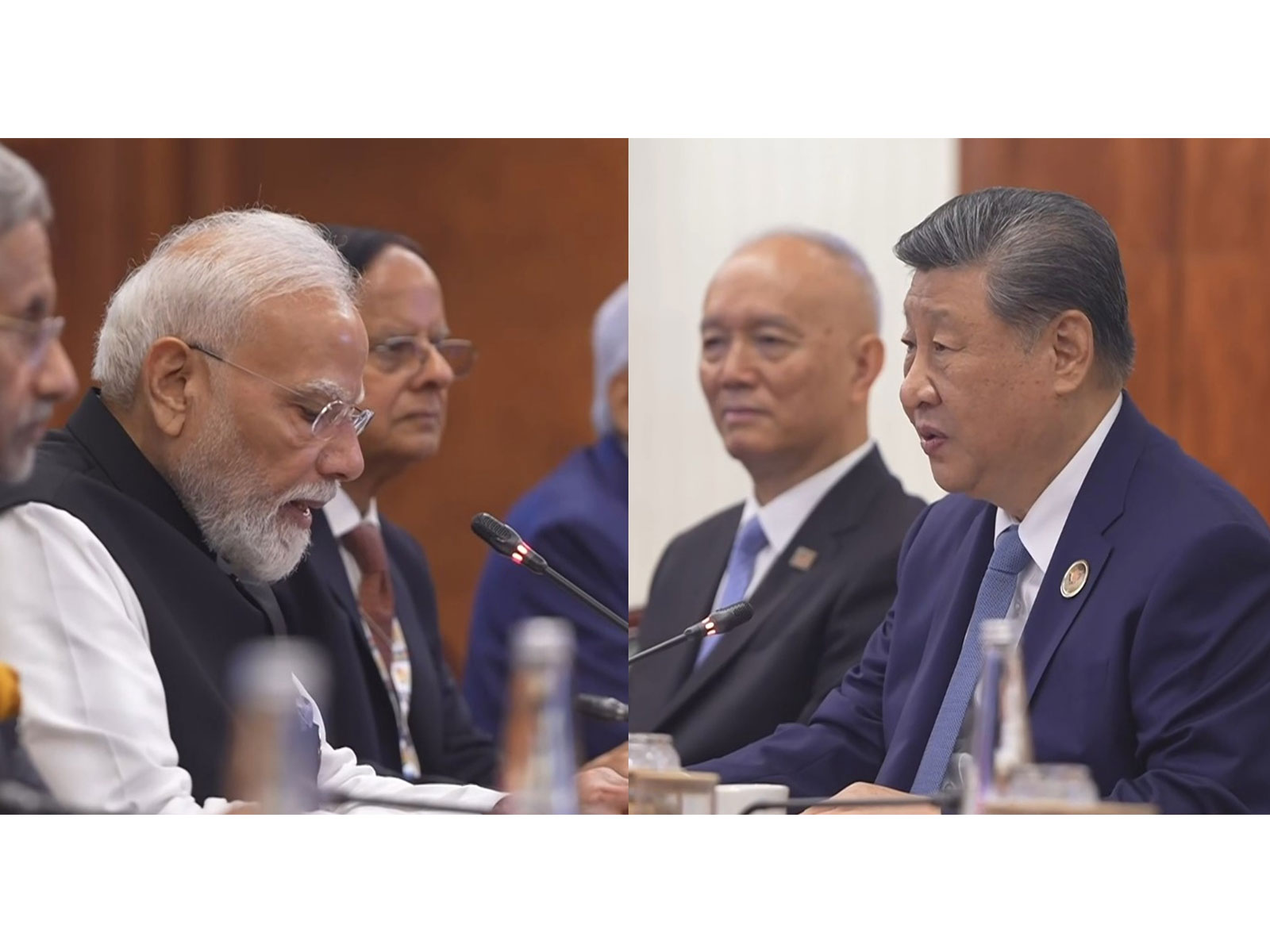
It also extended full support to China for its BRICS Chairship in 2027 and the holding of the 19th BRICS Summit in China.
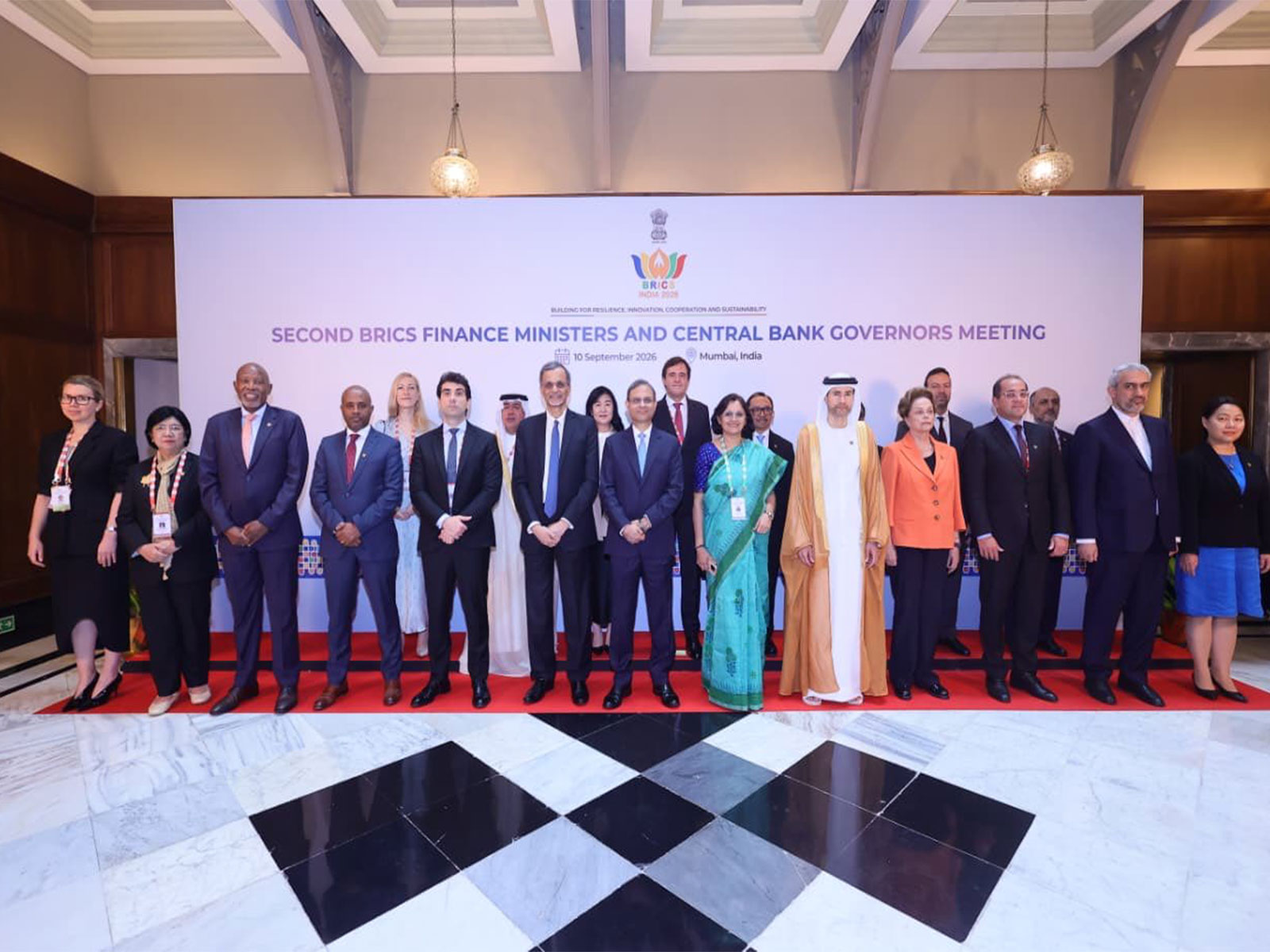
The New Delhi Declaration was adopted amid intensive negotiations, with BRICS countries reaching consensus on the joint statement after discussions that continued until early Saturday morning.
India's 2026 BRICS Chairship is being guided by the theme “Building for Resilience, Innovation, Cooperation and Sustainability”, with development, sustainability and innovation among the key areas of focus.
The grouping currently comprises 11 countries -- Brazil, China, Egypt, Ethiopia, India, Indonesia, Iran, Russia, Saudi Arabia, South Africa and the UAE. (ANI)
BRICS New Delhi Declaration calls for stronger people-to-people ties, women-led development, youth cooperation