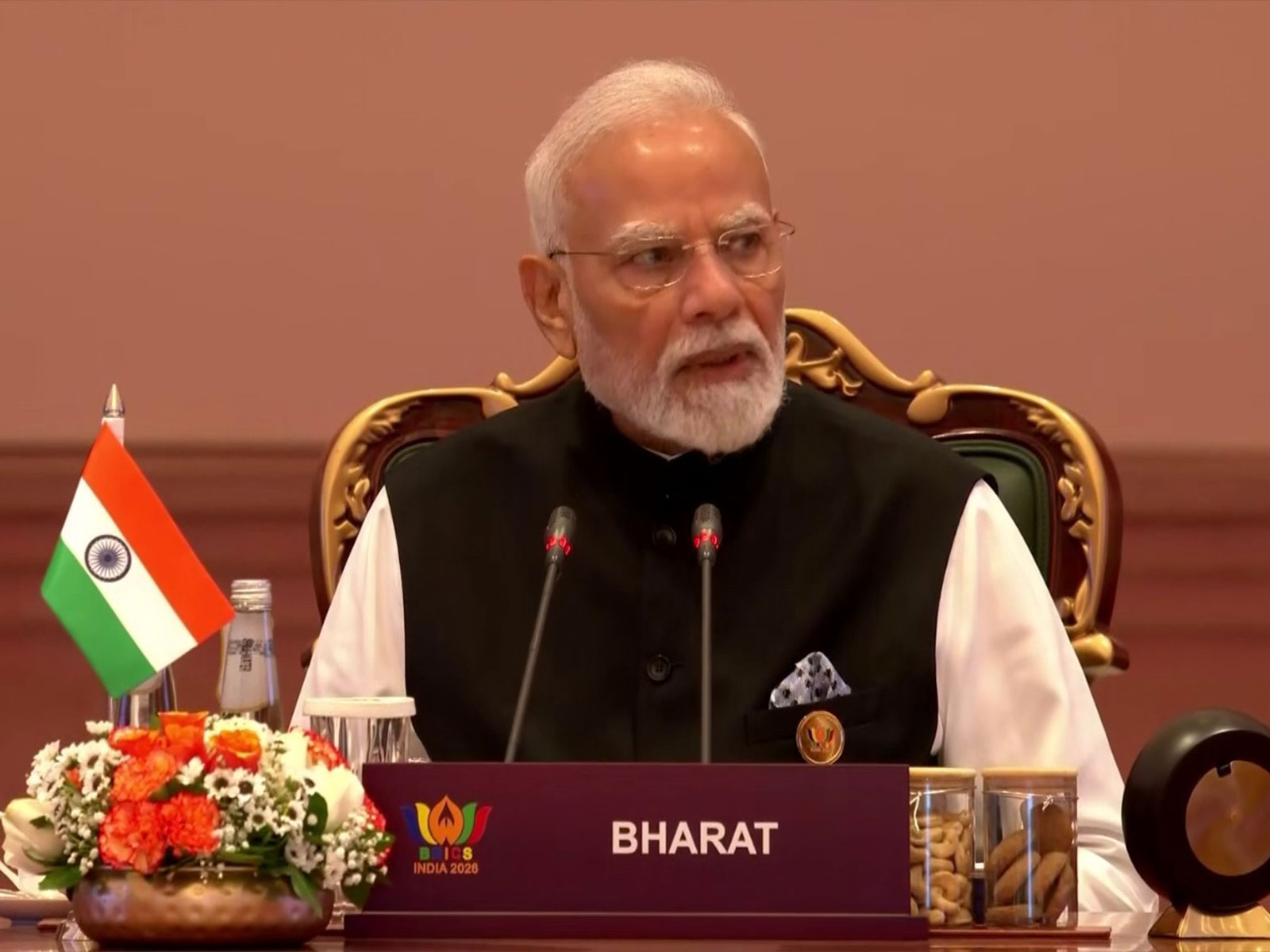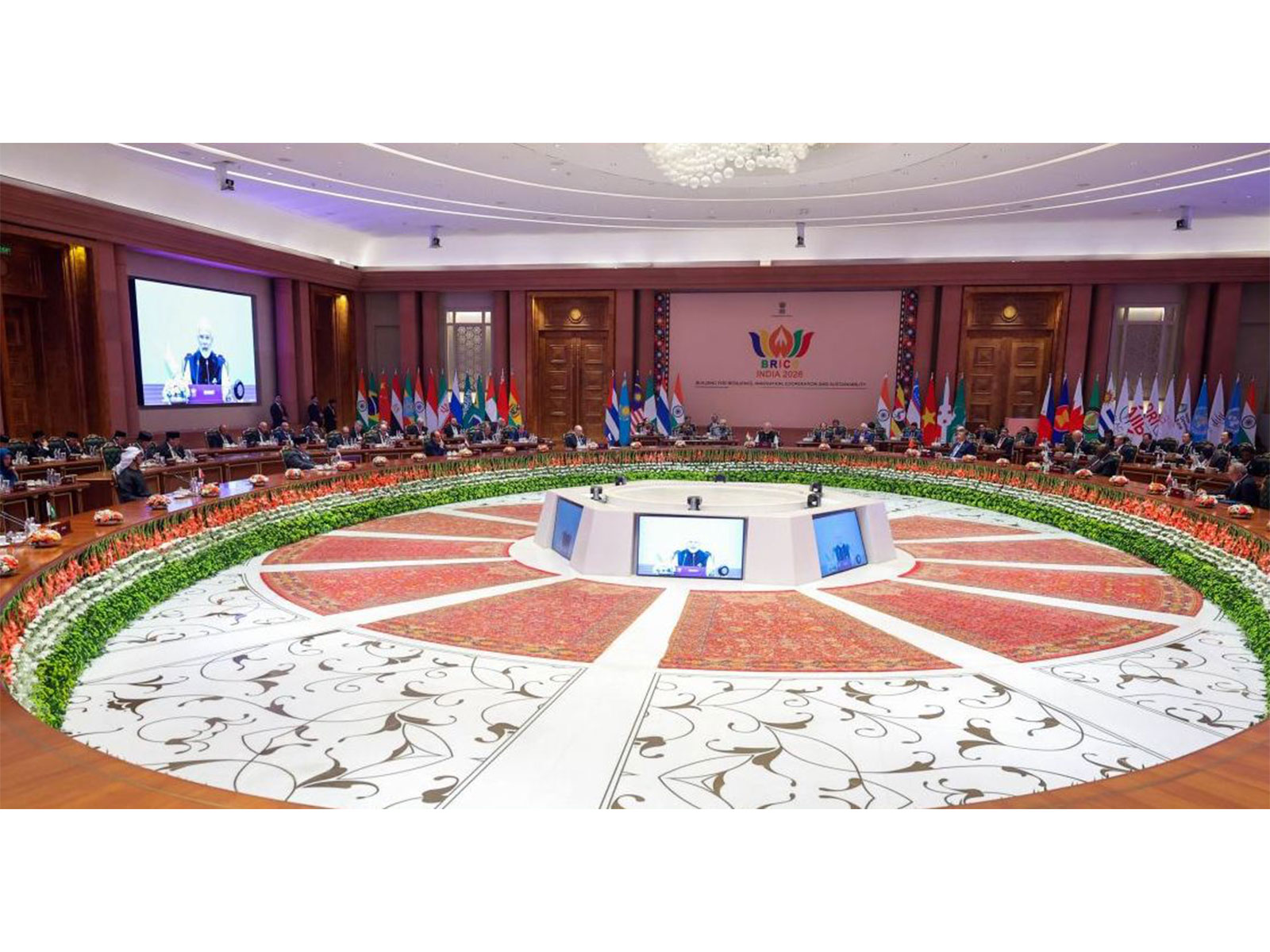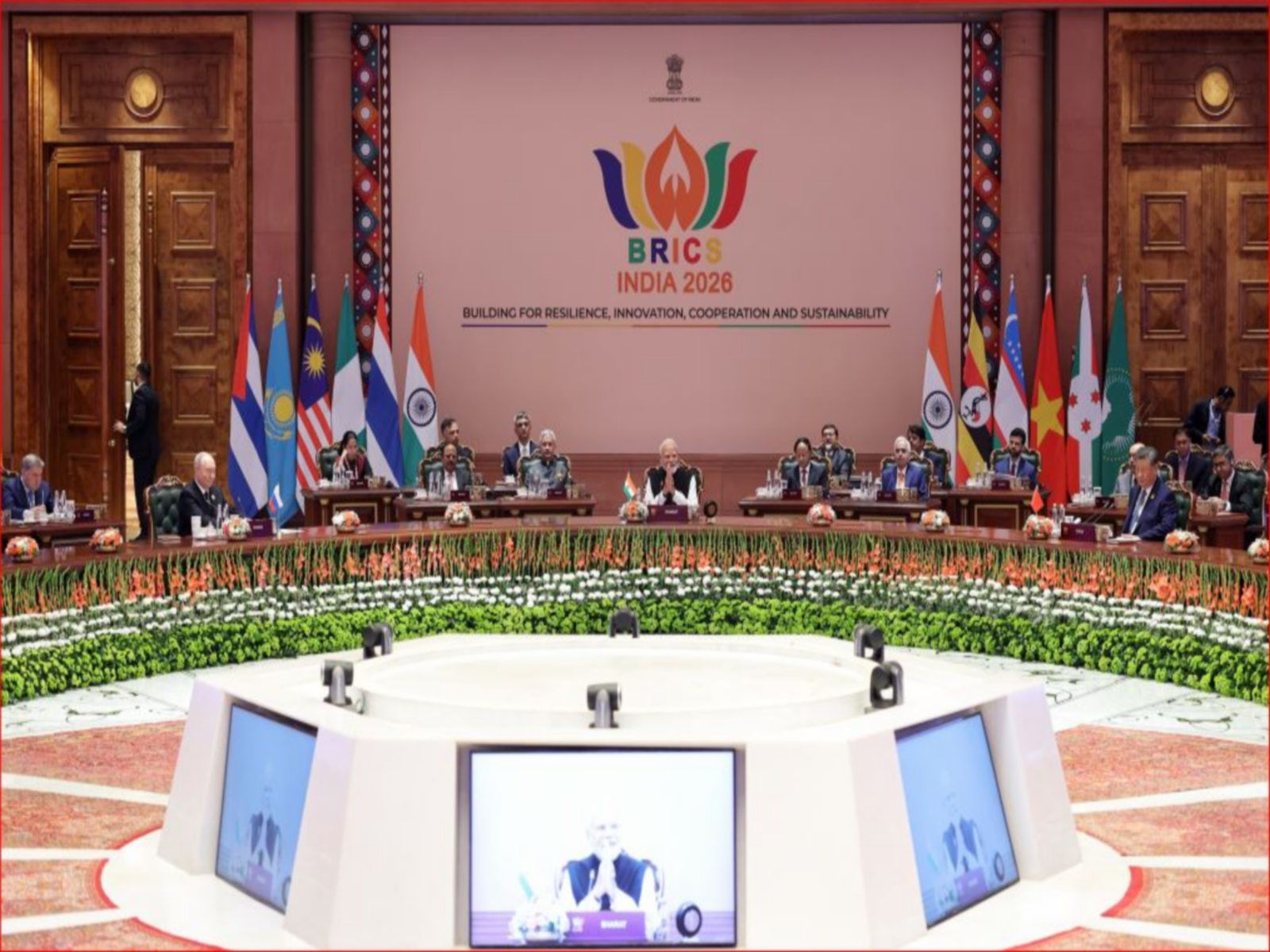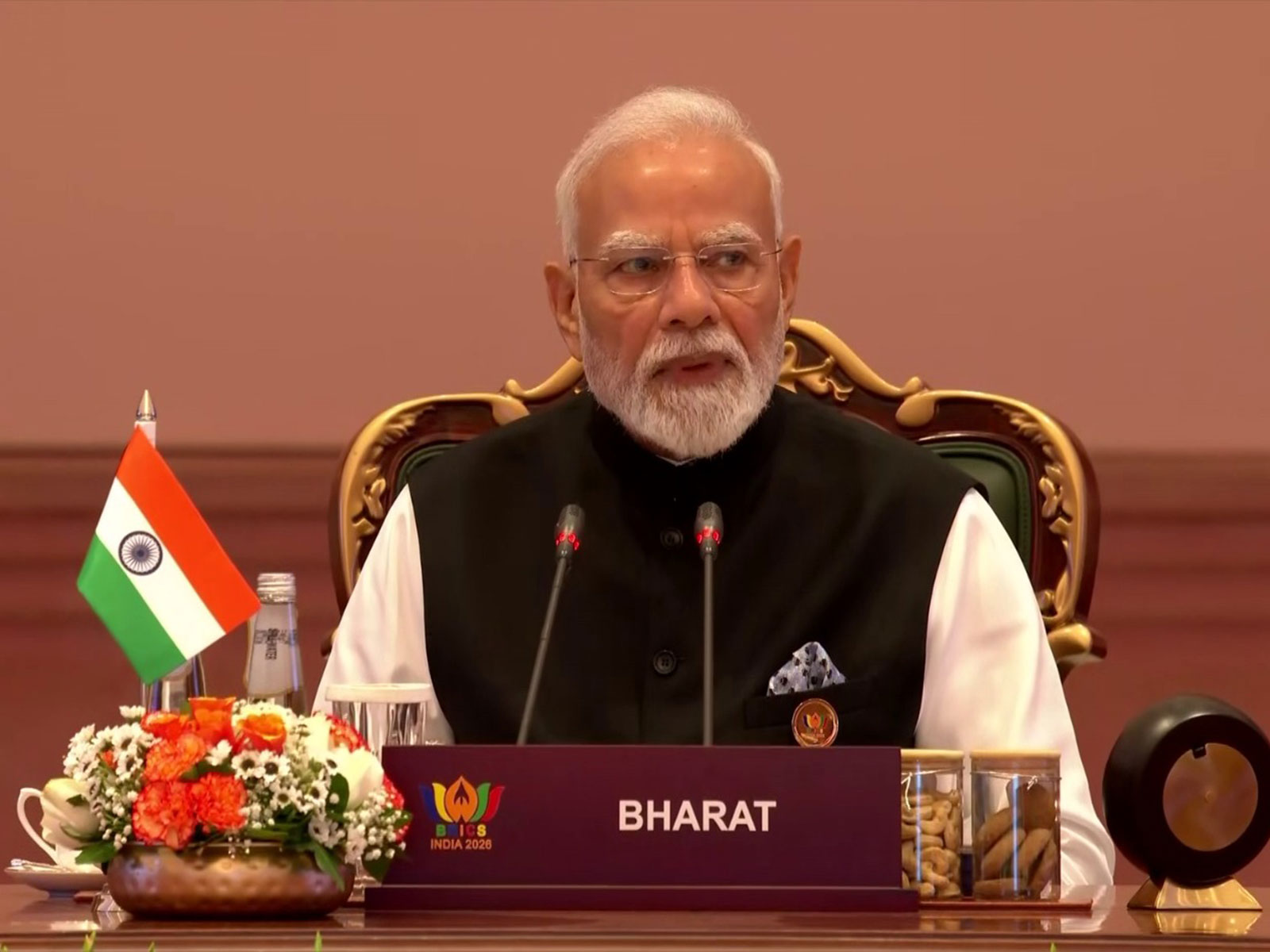
New Delhi [India], September 12 (ANI): Prime Minister Narendra Modi on Saturday announced the unanimous adoption of the New Delhi Declaration 2026 at the 18th BRICS Summit being held in the national capital.
The declaration expressed deep concern over the continued escalation of tensions in West Asia and called for exercising maximum restraint, as well as avoiding actions that could further aggravate the situation.
"We urge to ensure the protection of civilians and civilian infrastructure in accordance with the purposes and principles of the Charter of the United Nations in their entirety and interconnectedness, including respect for the sovereignty and territorial integrity of the States. We encourage increasing efforts, through dialogue and diplomacy, towards a long-term understanding that will contribute to lasting peace, security and stability in the region. We stress the need to work together to maintain smooth flow of global trade, supply chains and energy, in accordance with applicable international law, " the declaration read.
"We express serious concern over deliberate attacks on civilian infrastructure and peaceful nuclear facilities under full safeguards of the International Atomic Energy Agency (IAEA), in violation of international law and relevant resolutions of the IAEA. Nuclear safeguards, safety, and security must always be upheld, including in armed conflicts, to protect people and the environment from harm," the resolution added.
The BRICS bloc also called for the implementation of the relevant UNGA and UNSC Resolutions and urge all parties to ensure the maintenance of ceasefire and full and unhindered humanitarian access in the Gaza Strip.
"We express deep concern on the continued violence in Gaza despite the ceasefire agreement of October 2025. We call for halting any policies aimed at forced displacement of Palestinians from Gaza Strip and express concern regarding arrangements that may prejudice the inalienable rights of the Palestinian people and legitimize or prolong occupation. We reaffirm that a just and lasting solution to the Israeli-Palestinian conflict can only be achieved by peaceful means and depends on the fulfilment of the legitimate rights of the Palestinian people, including the rights to self-determination and return.
The joint declaration noted the current global context of polarization and distrust and encouraged global action to strengthen international peace and security.
"We call on the international community to respond to these challenges and associated security threats through politico-diplomatic measures to lower conflict potential and stress the need to engage in conflict prevention efforts, including through addressing their root causes. We underscore that security among all countries is indivisible and reiterate our commitment to the peaceful resolution of international disputes through dialogue, consultation and diplomacy. We encourage the active role of regional organizations in conflict prevention and resolution and support all efforts conducive to the peaceful settlement of crises," the declaration read.
"We agree to explore avenues for cooperation on the prevention of armed conflicts, UN peacekeeping missions, African Union peace support operations, and mediation and peace processes. We express concern about ongoing conflicts in many parts of the world and the current state of polarization and fragmentation in the international order. We express alarm at the current trend that has seen a critical increase in global military spending, to the detriment of the provision of adequate financing for development to developing countries. We advocate for a multilateral approach that respects diverse national viewpoints and positions on crucial global issues, including sustainable development, the eradication of hunger and poverty and contributing to the global response to climate change, while expressing deep concern over attempts to link security with the climate change agenda," it added.
The joint BRICS nations declaration also expressed concern about the growing risks of nuclear danger and conflict. It reiterated the need for invigorating the system of disarmament, arms control and non-proliferation and for preserving its integrity and effectiveness to achieve global stability and international peace and security.
"We stress the significant contribution of nuclear-weapon-free zones to the strengthening of the nuclear non-proliferation regime, reaffirm our support for and respect towards all existing nuclear-weapons free-zones and their associated assurances against the use or threat of use of nuclear weapons, and acknowledge the paramount importance of the efforts aiming at accelerating the implementation of the resolutions on the Establishment of a Zone Free of Nuclear Weapons and other Weapons of Mass Destruction in the Middle East, including the Conference convened pursuant to UN General Assembly Decision 73/546," the declaration read.
The declaration said that building on two decades of BRICS, the nations further commit themselves to strengthening cooperation in the expanded BRICS under the three pillars of political and security, economic and financial, cultural and people-to-people cooperation, and to enhancing strategic partnership for the benefit of people through the promotion of peace, a more representative, fairer international order, a reinvigorated and reformed multilateral system, sustainable development and inclusive growth.
The declaration also commended the significant progress achieved under India's BRICS Chairship in 2026, under the theme “Building for Resilience, Innovation, Cooperation and Sustainability", which the declaration said reflected the shared commitment to strengthening BRICS cooperation in addressing common challenges with a balanced, practical, actionable, inclusive, development-oriented and people-centered approach. (ANI)
BRICS New Delhi Declaration expresses concern over West Asia tensions, calls for exercising restraint