New Delhi [India], August 25 (ANI): The Central Bureau of Narcotics (CBN), Department of Revenue, Ministry of Finance, and the Pharmaceuticals Export Promotion Council of India (PHARMEXCIL) on Tuesday signed a Memorandum of Understanding (MoU) to promote legitimate pharmaceutical exports while preventing the diversion of controlled substances.
The documents were exchanged between Dr. Dinesh Bisen, Narcotics Commissioner, representing CBN, and Raja Bhanu, Director General, PHARMEXCIL, at the CBN Headquarters in Gwalior.
India is globally recognized as the "Pharmacy of the World," a leading supplier of active pharmaceutical ingredients (APIs), bulk drugs, formulations, biologics, and medical devices. The sector is closely linked to the chemical industry, which supplies the compounds, solvents, and catalysts used in drug synthesis. That shared supply chain can be vulnerable to diversion for illicit use if not adequately safeguarded.
CBN is the agency administering the facilitation, regulatory, and enforcement provisions of the Narcotic Drugs and Psychotropic Substances (NDPS) Act, 1985.
Its mandate includes supervising the licit cultivation of opium poppy, issuing authorisations for the import and export of narcotic drugs and psychotropic substances, and ensuring that essential chemical inputs are not diverted for illicit use. The framework with PHARMEXCIL extends the Government of India's National Roadmap of Ease of Doing Business and integrates voluntary compliance mechanisms into the pharmaceutical export ecosystem.
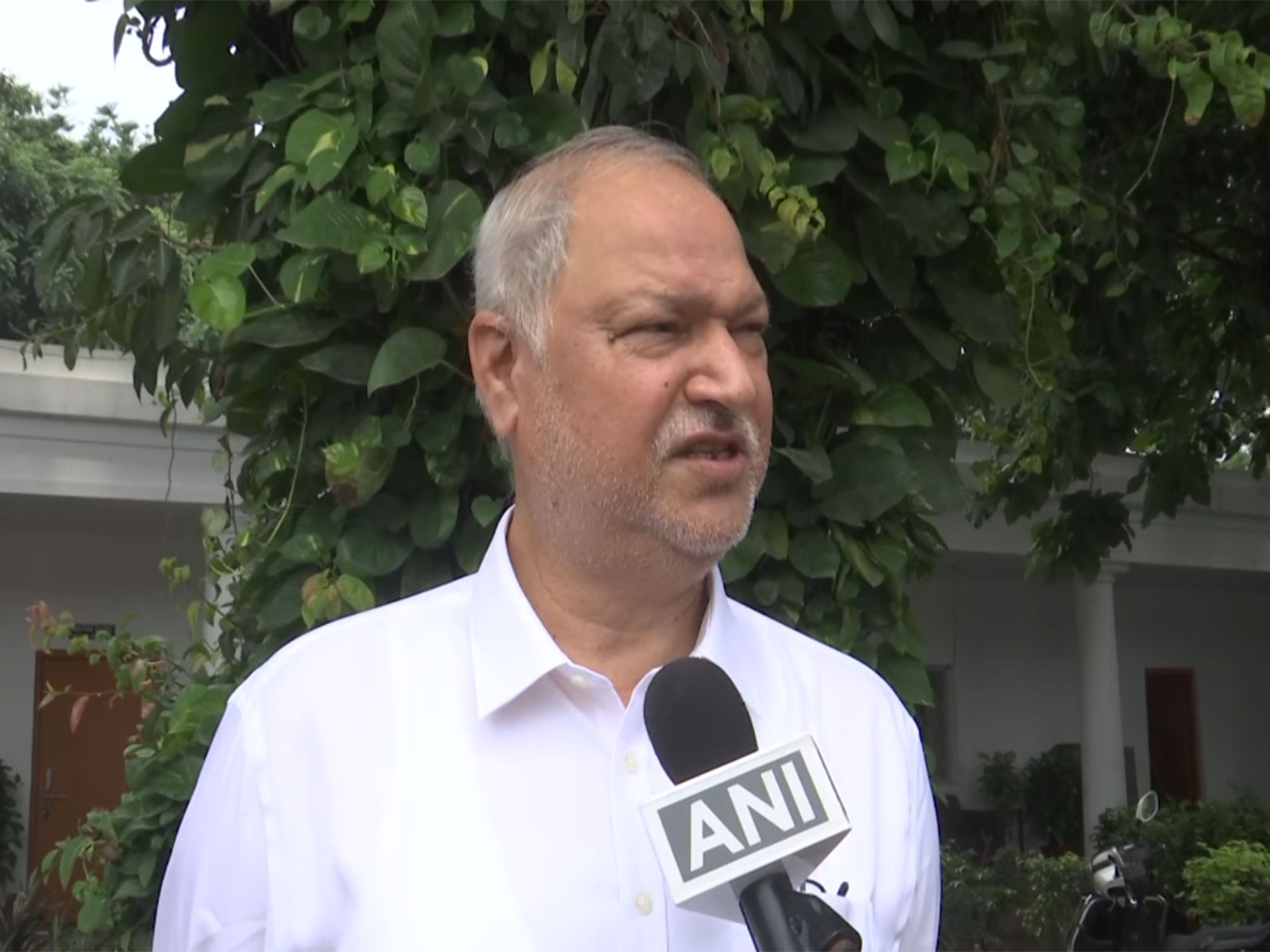
Speaking on the occasion, K. Raja Bhanu, Director General, PHARMEXCIL, said: "India today supplies medicines to more than two hundred countries and is the world's largest provider of generic medicines. That reputation rests on a single, non-negotiable foundation: trust: the trust of regulators abroad, of patients who rely on our medicines, and of our own government agencies. Narcotic drugs and psychotropic substances are essential raw materials for our industry, used in anaesthesia and pain management, but we are equally conscious that diversion, even in small measure, can cause serious harm."
Bhanu further added that Pharmexcil commits to act as a genuine industry interface for the CBN, emphasising that their role remains purely facilitative and not regulatory.
"Through this MoU, Pharmexcil commits to act as a genuine industry interface for CBN, disseminating regulatory advisories to our exporter members, mobilising their participation in awareness and training programmes, and building a culture of self-regulation that does not wait for enforcement to arrive at the factory gate. Our role remains facilitative, not regulatory. We bring reach into boardrooms
and shop floors across the country, and the ability to make lawful compliance simpler and less intimidating. This partnership shows that trade facilitation and regulatory integrity are not competing goals, but complementary ones," added Bhanu.
Under the MoU, the CBN has developed a Voluntary Code of Conduct in close consultation with PHARMEXCIL, setting out recommended practices for the industry.
The code remains voluntary and non-binding and is designed not to interfere with normal business operations or create statutory or financial burdens on exporters beyond applicable laws. Member companies will nominate contact persons to coordinate matters associated with the code.
The two sides will also aim to identify operational bottlenecks and recommend measures to streamline export procedures for compliant exporters. Joint workshops, seminars, and awareness campaigns will be organised, in coordination with government institutions including the Central Drugs Standard Control Organisation and Customs where required.
The MoU further establishes a framework for the exchange of information needed to meet regulatory objectives, subject to applicable laws and confidentiality obligations.
Both sides also deliberated on a six-month action plan that will prioritise pan-India outreach, stakeholder sensitisation, and establishing core areas of institutional and regulatory cooperation.
The MoU reaffirms the Government of India's commitment to the compliant and sustainable growth of the pharmaceutical sector, supporting export growth through a reduction in dwell time for export authorisations while safeguarding against the misuse of narcotic drugs, psychotropic substances, and controlled precursors.
The MoU is the third in a series of agreements signed by CBN with industry bodies. It follows an MoU with the Indian Chemical Council in 2022 covering basic chemical manufacturing and one with CHEMEXCIL in 2025 covering fine and speciality chemicals. The present agreement covers finished pharmaceutical exports. (ANI)
CBN and Pharmexcil sign MoU to regulate controlled substances in Pharma exports