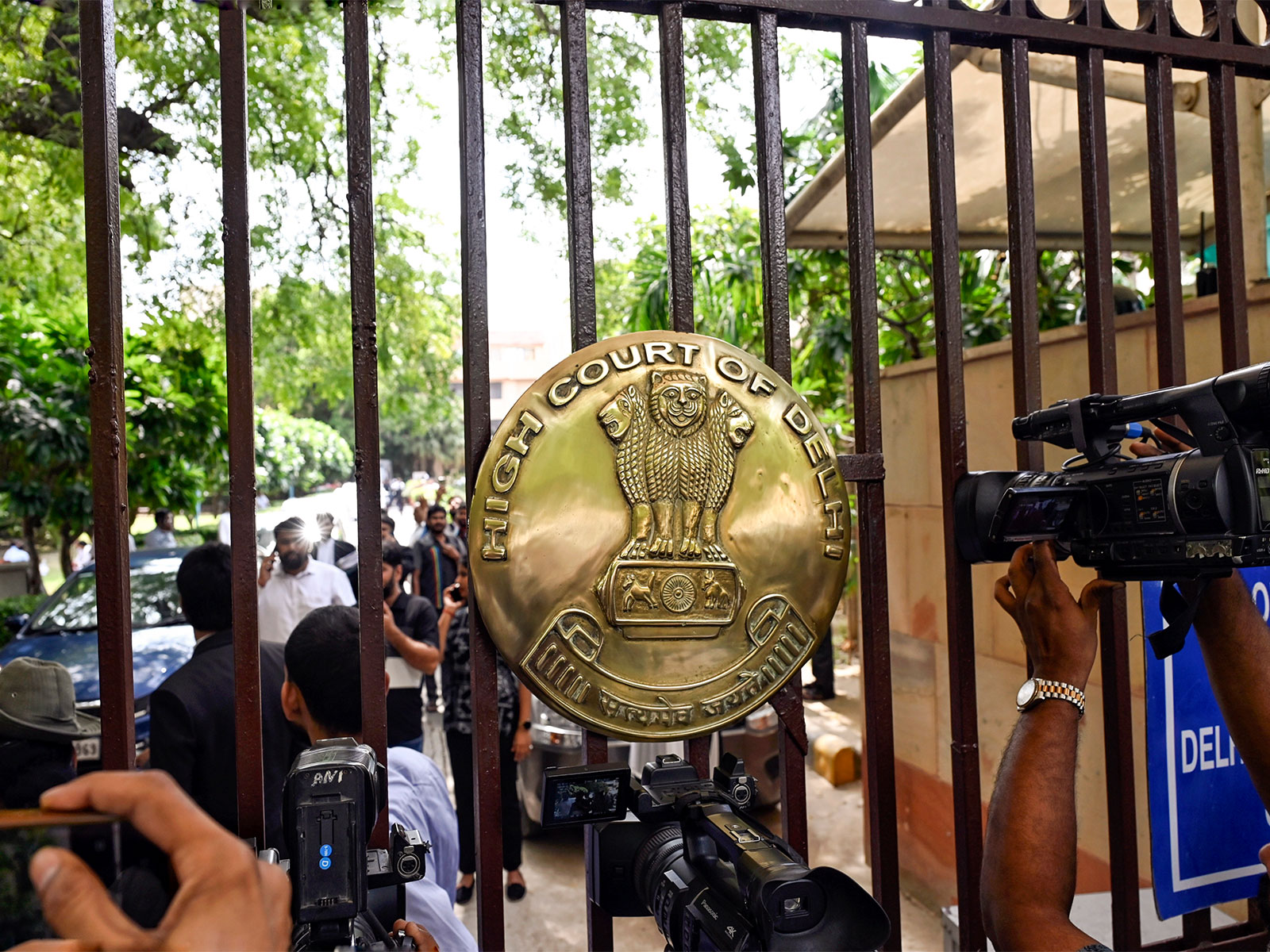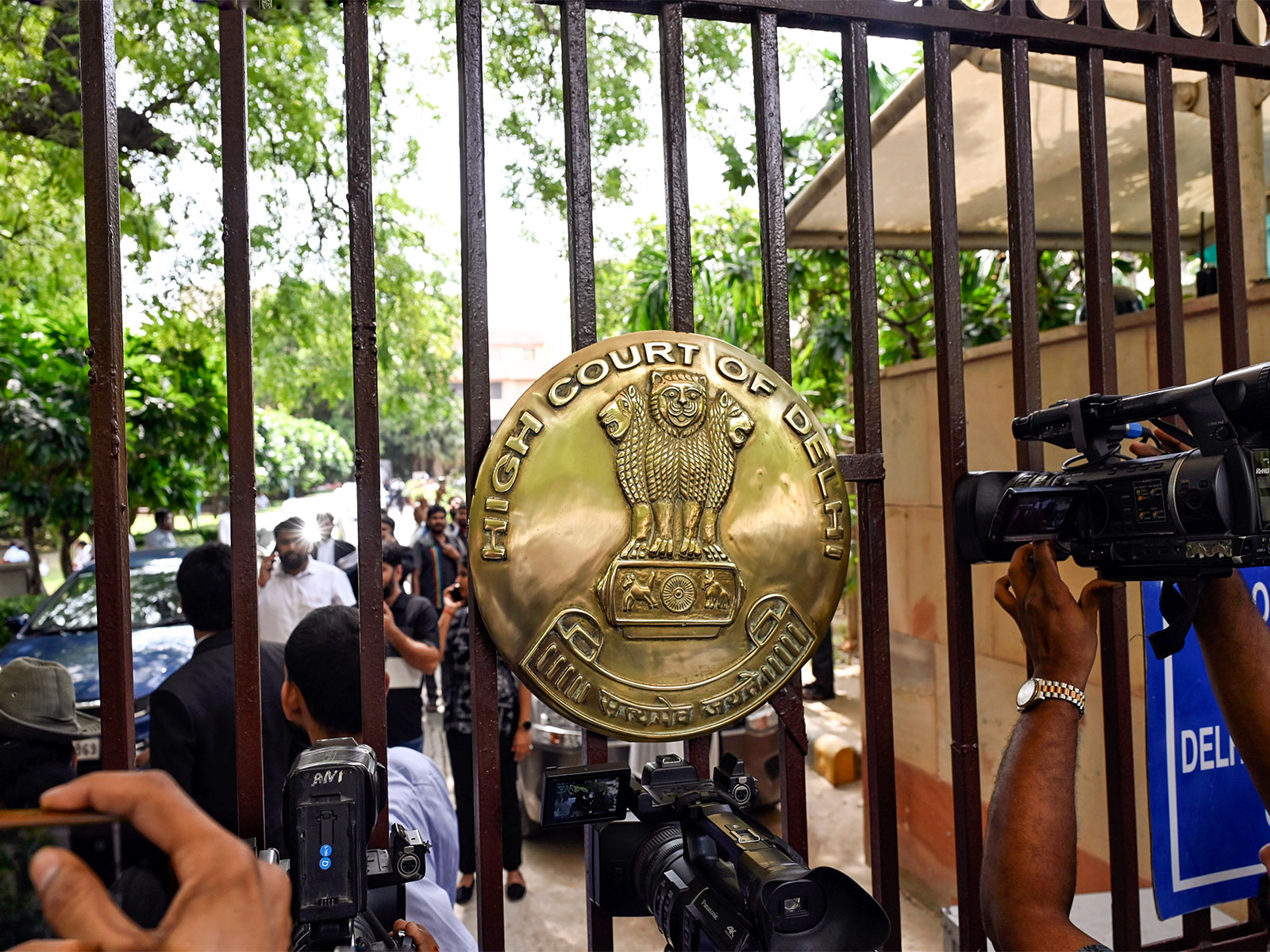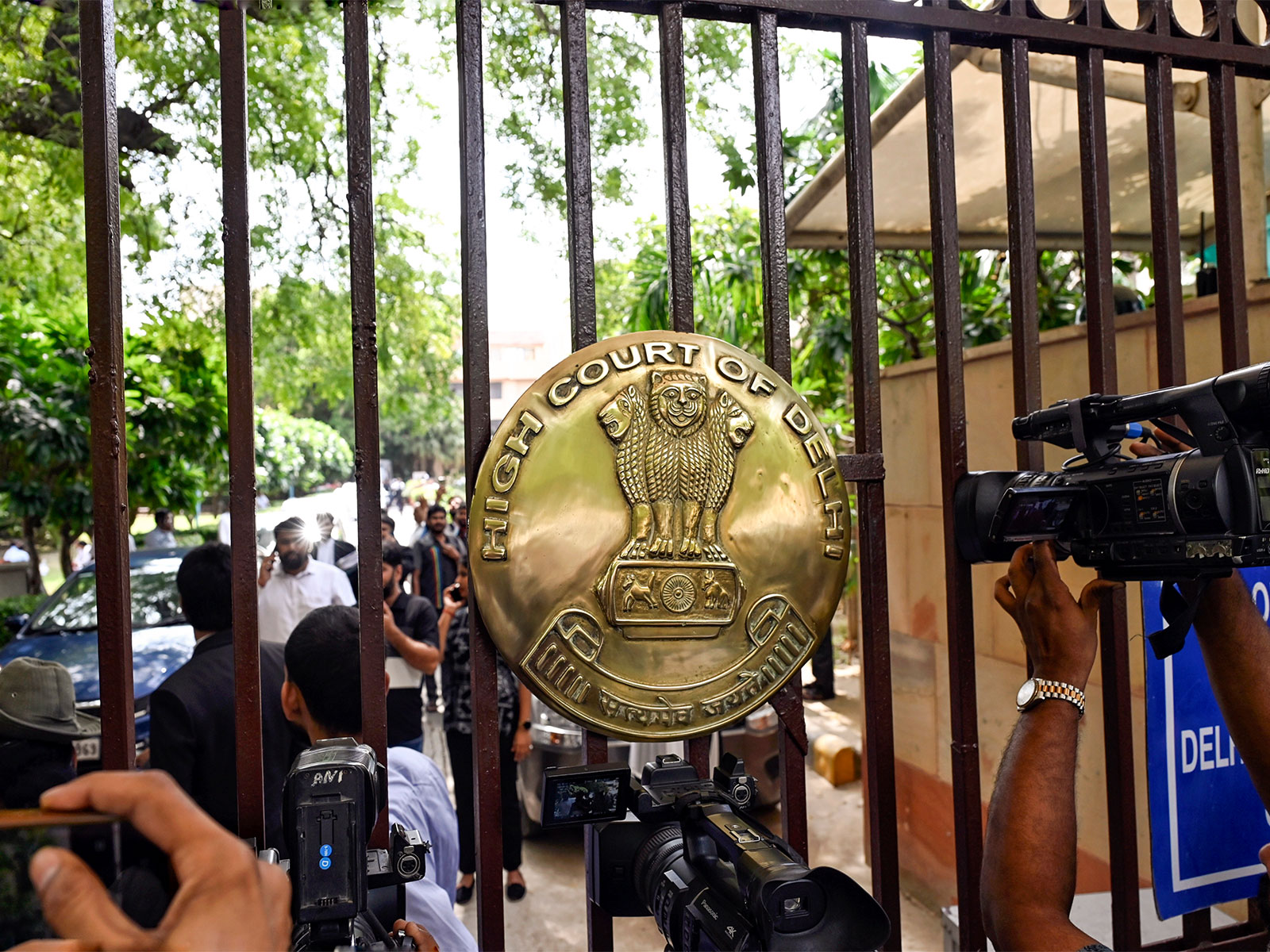
New Delhi [India], October 1 (ANI): The Delhi High Court has held that the District Magistrate has the power to order eviction of a son, daughter or legal heir from a senior citizen’s property in cases of non-maintenance and ill-treatment under the Delhi Maintenance and Welfare of Parents and Senior Citizens Rules, 2009.
A Division Bench of Chief Justice Devendra Kumar Upadhyaya and Justice Tejas Karia said the eviction provisions under Rule 22(3)(1)(i) and (iv) of the 2009 Rules are within the framework of the Maintenance and Welfare of Parents and Senior Citizens Act, 2007.
The court held that the provisions derive their authority not only from Section 32 of the Act, which deals with rule-making powers, but also from Section 22, which requires the State Government to prescribe a comprehensive action plan for protection of the life and property of senior citizens.
The Bench made these observations while dismissing a plea filed by Punam, a daughter-in-law, challenging an order of the Divisional Commissioner directing her to vacate her mother-in-law's property, who is a senior citizen.
The court rejected the petitioner’s challenge to the validity of Rule 22(3)(1)(i) and (iv), holding that the provisions cannot be said to be beyond the Senior Citizens Act.
The court also held that proceedings for eviction under Rule 22(3)(1) are separate from proceedings seeking maintenance under Sections 4 and 5 of the Senior Citizens Act. It therefore rejected the argument that an eviction application could not be filed unless the senior citizen had also sought maintenance.
According to the judgment, a senior citizen can approach the District Magistrate for eviction where the requirements of the Rules concerning non-maintenance and ill-treatment are established.
The case arose from a matrimonial dispute between the petitioner and her husband. The petitioner had earlier approached the court under the Protection of Women from Domestic Violence Act, 2005, seeking a residence order in respect of the shared household at Gautam Nagar, Delhi.
Her mother-in-law subsequently initiated proceedings under the 2009 Rules seeking her eviction. The Sub-Divisional Magistrate’s inquiry had initially stated that no specific conclusion could be drawn regarding harassment and described the matter as a family dispute between the mother-in-law and daughter-in-law. The District Magistrate thereafter rejected the eviction application.
The mother-in-law challenged that decision before the Divisional Commissioner, who allowed the appeal and directed the petitioner to vacate the premises.
The High Court also considered the petitioner’s reliance on Section 17 of the Domestic Violence Act, which recognises a woman’s right to reside in a shared household.
The Bench referred to the Supreme Court’s judgment in S. Vanitha v. Deputy Commissioner and noted that the Senior Citizens Act and the Domestic Violence Act have to be harmoniously construed. It observed that the protection available to a woman under the Domestic Violence Act cannot simply be overridden through the summary procedure under the Senior Citizens Act.
However, on the facts of the present case, the High Court noted that the Divisional Commissioner had found that the petitioner was working as a Post Graduate Teacher, had a substantial income and also had a separate house at Bahadurgarh.
The Bench observed that the petitioner’s right to reside in the shared household was not absolute and had to be considered alongside the senior citizen's right to live a normal and peaceful life.
The court said that the matrimonial dispute between the petitioner and her husband should not prevent the senior citizen from living peacefully.
The court also rejected the argument that the 2009 Rules do not cover a daughter-in-law. Referring to its earlier judgments in Shadab Khairi and Darshna, the Bench held that the provisions cannot be interpreted narrowly and that the expression “legal heirs” has to be understood broadly.
The Bench ultimately held that the Divisional Commissioner had correctly passed the eviction order and found no ground to interfere with it.
The writ petition was accordingly dismissed. The court also said there would be no order as to costs. (ANI)
Delhi HC upholds eviction power under senior citizens rules in daughter-in-law dispute