New Delhi [India], September 28 (ANI): Heart diseases have become a great concern since cases of youngsters having heart attacks started being reported.
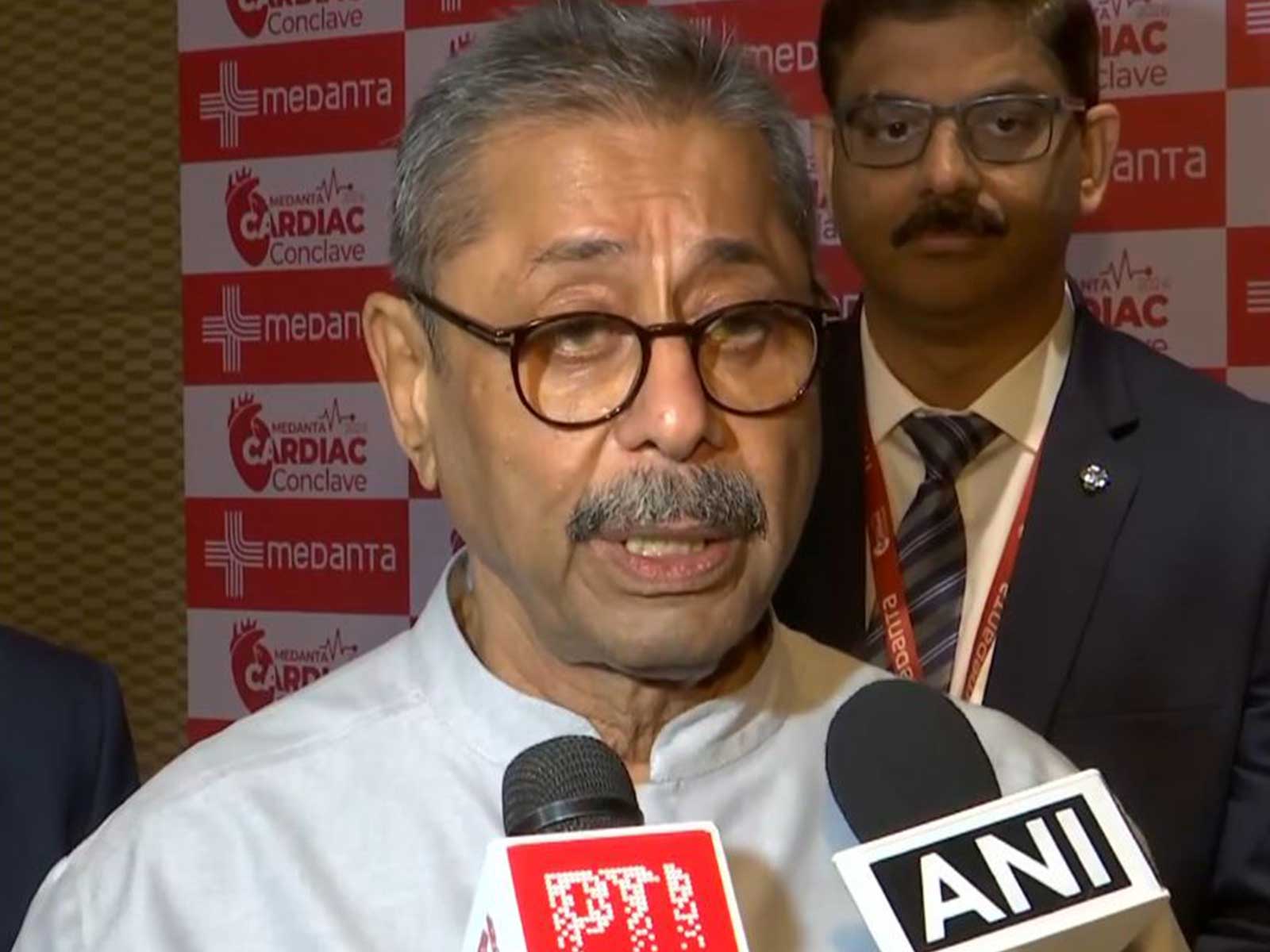
Dr Naresh Trehan, CMD, Medanta Hospital, speaking to ANI, explained how to identify if you are at a higher risk of heart disease.
"Know your genes; if your parents, either of them, have heart disease, or your uncle or your grandparents had heart disease, that means the chances of you getting heart disease are double those of the normal population," he said.
He further emphasised getting a heart checkup done in your 20s, saying, "For such people, we say get your first risk factor analysis or preventive checkup before the age of 25. Early detection makes disease controllable. We can actually make the horoscope of your heart and your health."
He further elaborated on how to identify symptoms of a heart attack, saying, "The two most common diseases that happen are in the acquired category; one is blockages in the arteries, which usually will present when you do any physical activity like a brisk walk. If you feel stress during exercise, it is called classic exertional angina. It can also present in many other ways. One is that it can give you back pain or jaw pain, instead of chest pain. The second is when you get acquired valvular disease..."
On medicine that a cardiac patient, after consulting with a doctor, can carry Aspirin and other medicines for crucial hours, he said, "People who are at risk or are known to have heart disease can carry Aspirin. It can be taken in case of chest pain. You can also take half a tablet of Sorbitrate, sit down or lie down and put it under your tongue. The third thing is to take 20 milligrams of Atorvastatin or an equivalent. These are for people with heart disease..."
People with diabetes sometimes miss the crucial hours of life, and by the time they reach the hospital, it is already too late for such patients.
He said they should get their echocardiogram in a timely manner: "People who have diabetes, the nerve endings that give the pain from the heart are damaged, so their alarm system has failed. So, they will not get chest pain as an alarm, unless you are getting a heart attack, then maybe. So, they keep getting damage to their heart without knowing, and that's why we always tell the physicians who are treating diabetes to make sure that your patient is getting an echocardiogram or a heart check every year. If it is stable, then maybe every two years. But they should be checked because they don't know that they are destroyed."
"So many patients that walk into my office, they are patients whose heart function has come down to 20%, and they didn't even know that. So, they started feeling short of breath. That's when they went and got an echo done, and that's when they found out their heart function is only 20%. So, it is very important for physicians also to guide their patients on what the dangers are of what they are suffering from. So, we know if somebody has heart disease, we give them the prescription. If there is, if the internist or a diabetologist is treating a diabetes patient, they should make sure that they get their checkup because these are important things for protecting life," he explained. (ANI)
Don't wait for symptoms; get your heart checkup done before 25 yrs of age, says Medanta Group Chairman Dr Trehan