By Sushil Batra
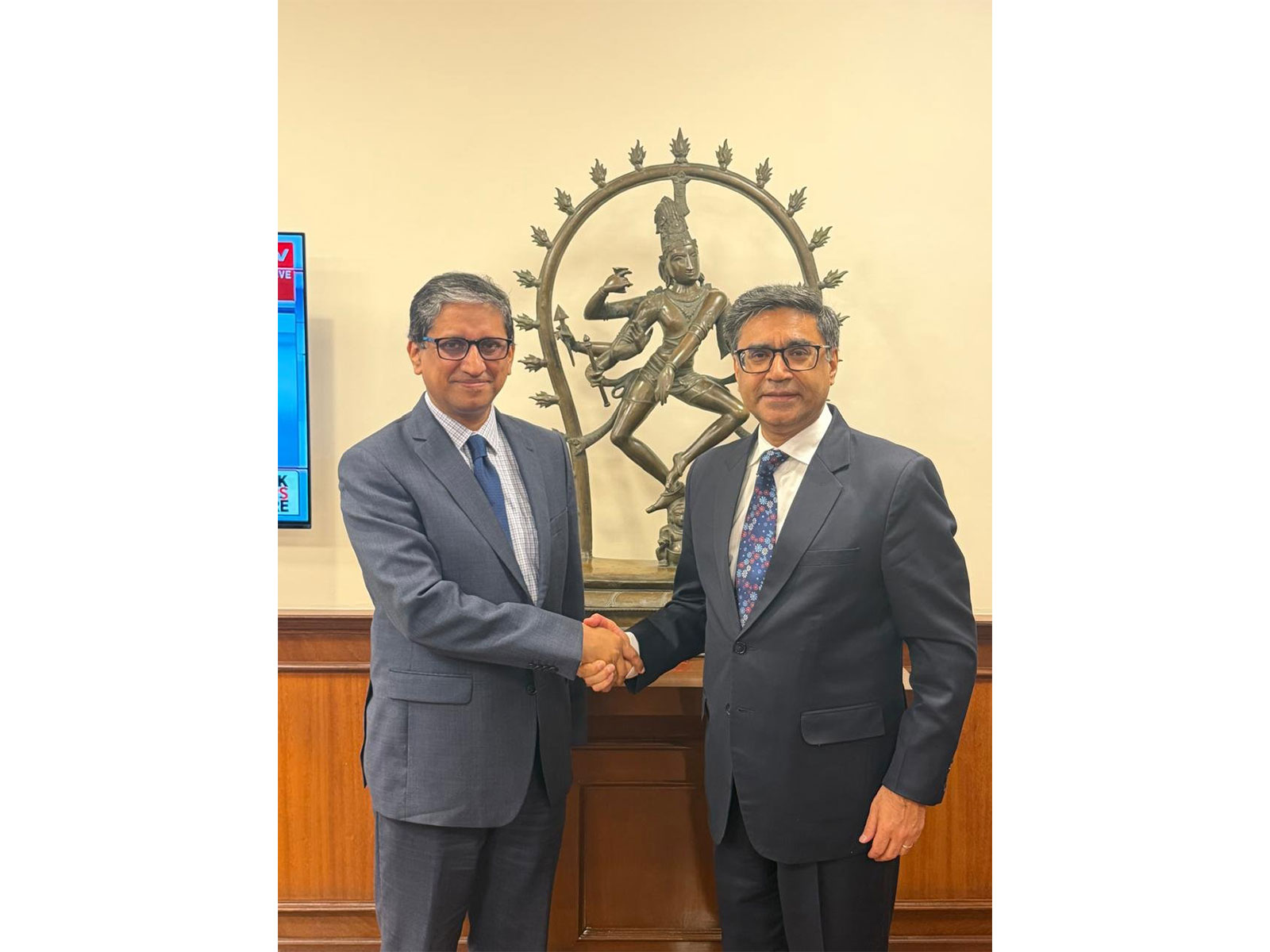
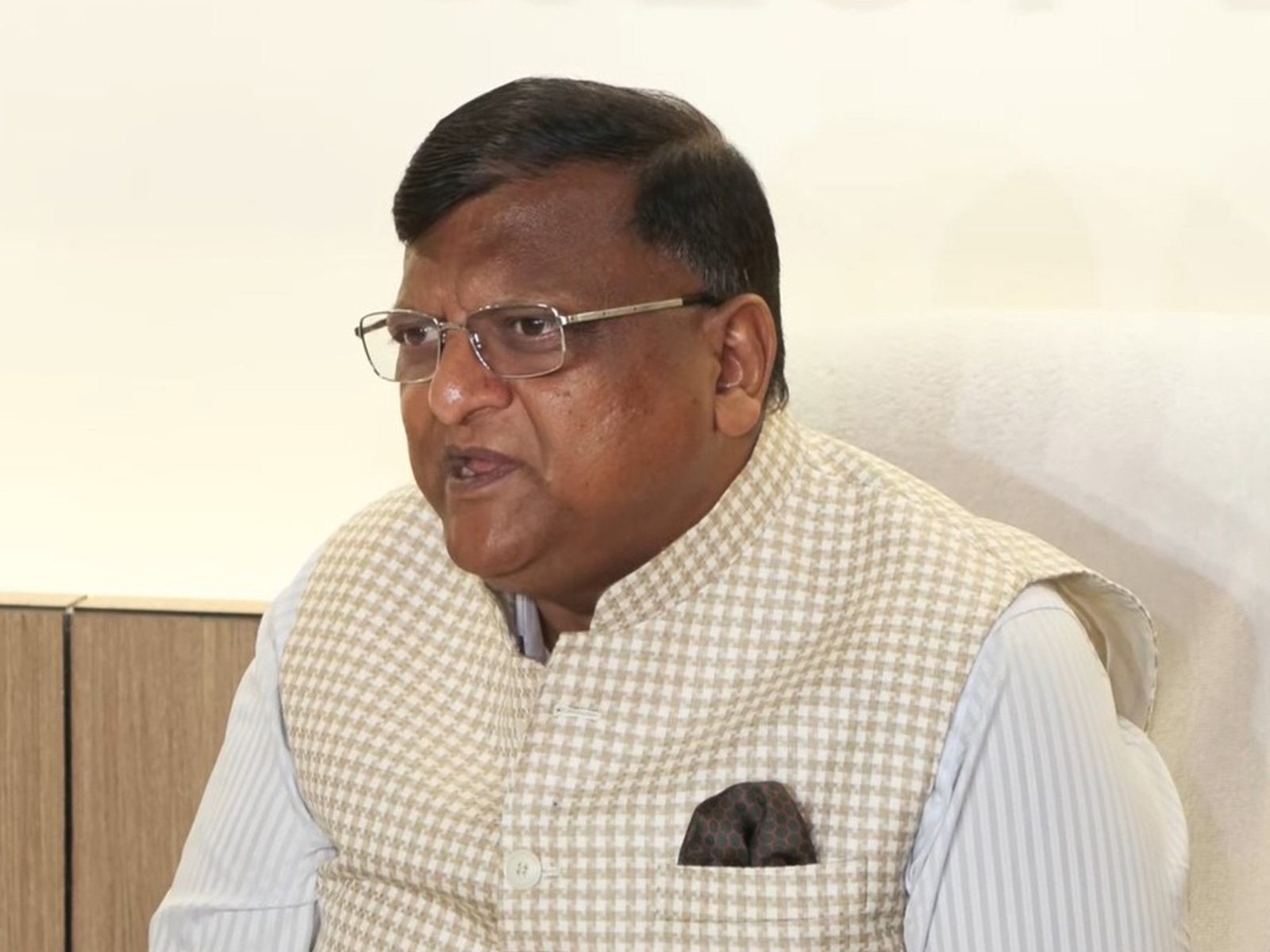
London [UK], October 7 (ANI): Former Solicitor General of India (SGI) and senior advocate Harish Salve has criticised the ongoing political controversy surrounding the Election Commission of India (ECI), saying constitutional institutions should not be dragged into political battles and “into the mud” merely to score political points.
Speaking to ANI on the INDIA bloc’s protest against the Election Commission, Salve said political parties were free to criticise their opponents, but constitutional institutions must be treated differently.
“Politics is getting a little beyond what its legitimate boundaries are. I can understand criticising political parties and criticising political opponents, but constitutional institutions should not be made targets of political attacks,” Salve said.
His remarks came amid the Opposition’s allegations concerning the functioning and decision-making of the Election Commission.
Salve questioned the basis of reports suggesting differences among the three Election Commissioners, saying that if one member of a three-member constitutional body dissented from a decision, it could not simply be presented as a unanimous decision.
“If there are three people on a panel, and if I am dissenting, if my colleague is dissenting, and the third person is saying, ‘No, this is a unanimous decision’, I will say, ‘No, sorry, this is wrong. There’s no decision.’ I won’t allow this to go through,” he said.
However, Salve said the Election Commission had subsequently held a press conference, issued a fresh clarification and maintained that its decisions were unanimous.
“That should have put an end to all this,” he said.
‘The Election Commission is supreme in its own area’, Salve also emphasised the constitutional position of institutions such as the legislature, executive, judiciary and Election Commission, saying each has its own defined sphere.
“The way our Constitution is structured, you have co-equal institutions. We have the legislature, we have the elected executive, we have the judiciary, and the Election Commission is co-equal in the sense that, in its own area, it is supreme,” he said.
He, however, pointed out that the Supreme Court has the final say where a constitutional or statutory boundary is alleged to have been crossed.
“If the Supreme Court finds there’s anything wrong, they will set aside the orders,” Salve said, referring to the judiciary’s role in reviewing actions of constitutional authorities.
He said the current controversy risked undermining public confidence in constitutional institutions.
“This is unfortunately dragging a constitutional institution into the mud,” Salve said.
Salve also spoke about public criticism of Supreme Court judgments by members of the judiciary, saying judges should primarily speak through their judgments.
“I have always maintained that Supreme Court judges, any judge, must speak only through their judgments. Particularly sitting judges,” he said.
He said the judiciary’s credibility depended heavily on public faith and warned that public comments by sitting judges on politically sensitive issues could have long-term consequences for the institution.
“This institution has to command public faith. If members of the judiciary themselves go out and lambast judgments, especially in areas where there is such political sensitivity, I think it would undermine the faith of the people in the judiciary, and that would be permanent damage caused to the institution,” Salve said.
While saying he did not believe such comments would influence the decision-making of judges, Salve said they could nevertheless create doubts in public perception about subsequent judgments.
“I don’t think this will influence the decision of any Bench. Judges are robust. But, in public perception, the very fact that you’re asking me this question shows that, in public perception, any judgment of the Supreme Court today, if, for example, the judgment of the Supreme Court goes the other way—would there not be a concern saying, ‘Has it gone this way because one judge of the Supreme Court publicly criticised this?’” he said.
‘Don’t destroy constitutional institutions for political brownie points’
Salve also cautioned political leaders against undermining institutions that they may themselves have to rely upon in the future.
“I don’t know what is going on in India,” he said, while referring to the political confrontation over the Election Commission.
Addressing the Opposition and particularly leaders who may aspire to hold office in the future, Salve said, “Even a Leader of Opposition, unless he is convinced that he will, for the rest of his life, be Leader only of the Opposition, he must realise that if someday he aspires to become Prime Minister of India, don’t break everything, because if you destroy everything, then you’ll have nothing to rule over.”
He concluded with a broader appeal for restraint, saying political disagreements should not result in the erosion of constitutional institutions.
“Let’s not just destroy constitutional institutions because some group of people feel politically frustrated or feel they can get political brownie points,” Salve said. (ANI)
Former SGI Harish Salve says constitutional institutions should not be made targets of political attacks amid ECI row