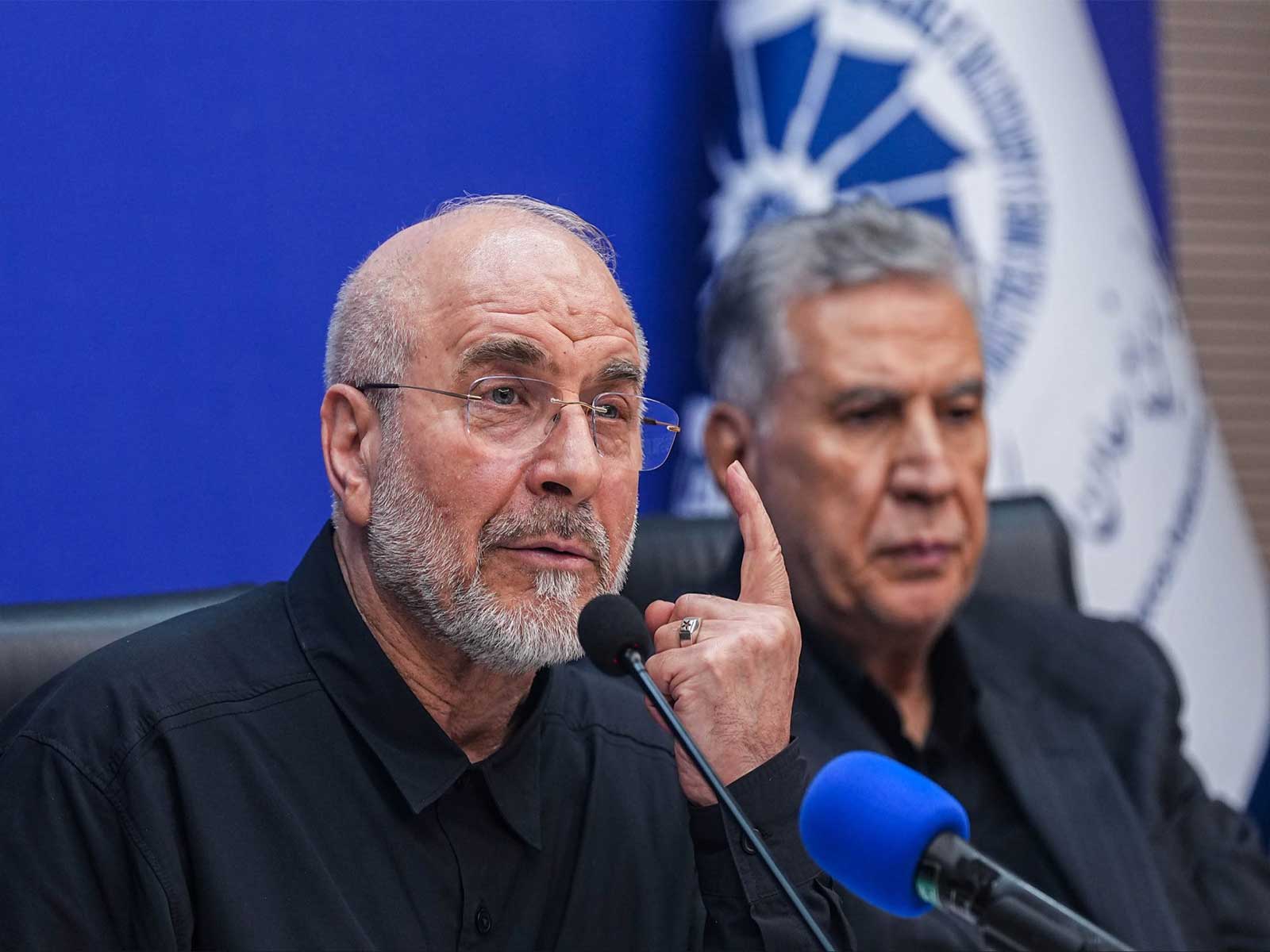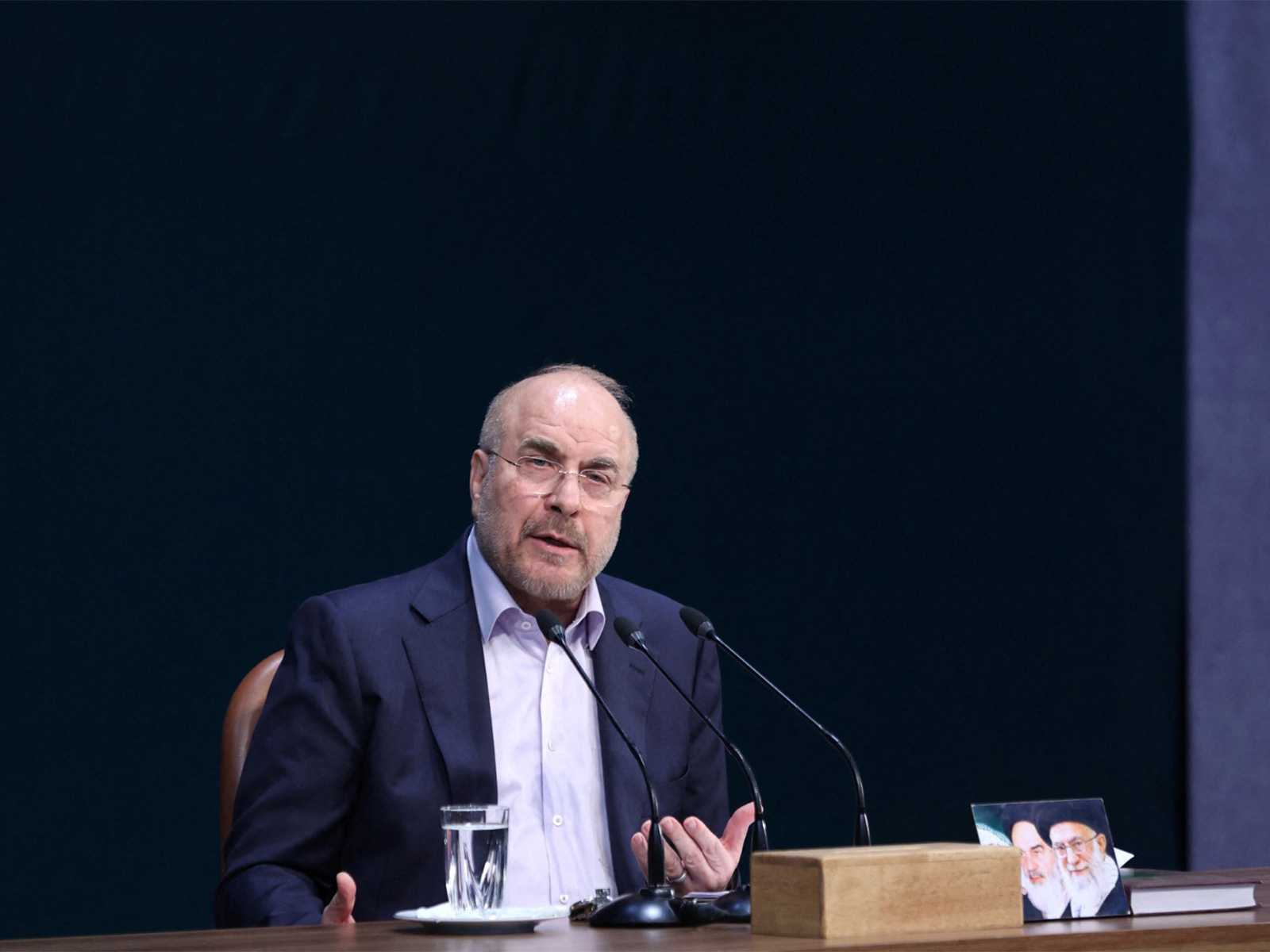
Tehran [Iran], August 18 (ANI): Iranian Parliament Speaker Mohammad Bagher Ghalibaf on Tuesday warned of a renewed military response to what Tehran describes as US violations of its commitments under the 14-point Memorandum of Understanding (MoU) signed in June, saying that Tehran will keep the Strait of Hormuz closed until Washington fulfils key conditions, including lifting sanctions and the blockade as per the agreement.
Addressing the 180th open session of Iran's 12th Parliament, Ghalibaf said the time had come for Iran's military and diplomatic tracks to work together to respond to what he called the US "breach of covenant".
"As we predicted, the enemy - who had accepted the ceasefire agreement out of desperation -quickly reneged on its commitments to compensate for its heavy political defeat in practice. Therefore, the time has come for the military field to once again stand alongside the diplomatic field and provide a practical response to the enemy's breach of covenant," Ghalibaf said.
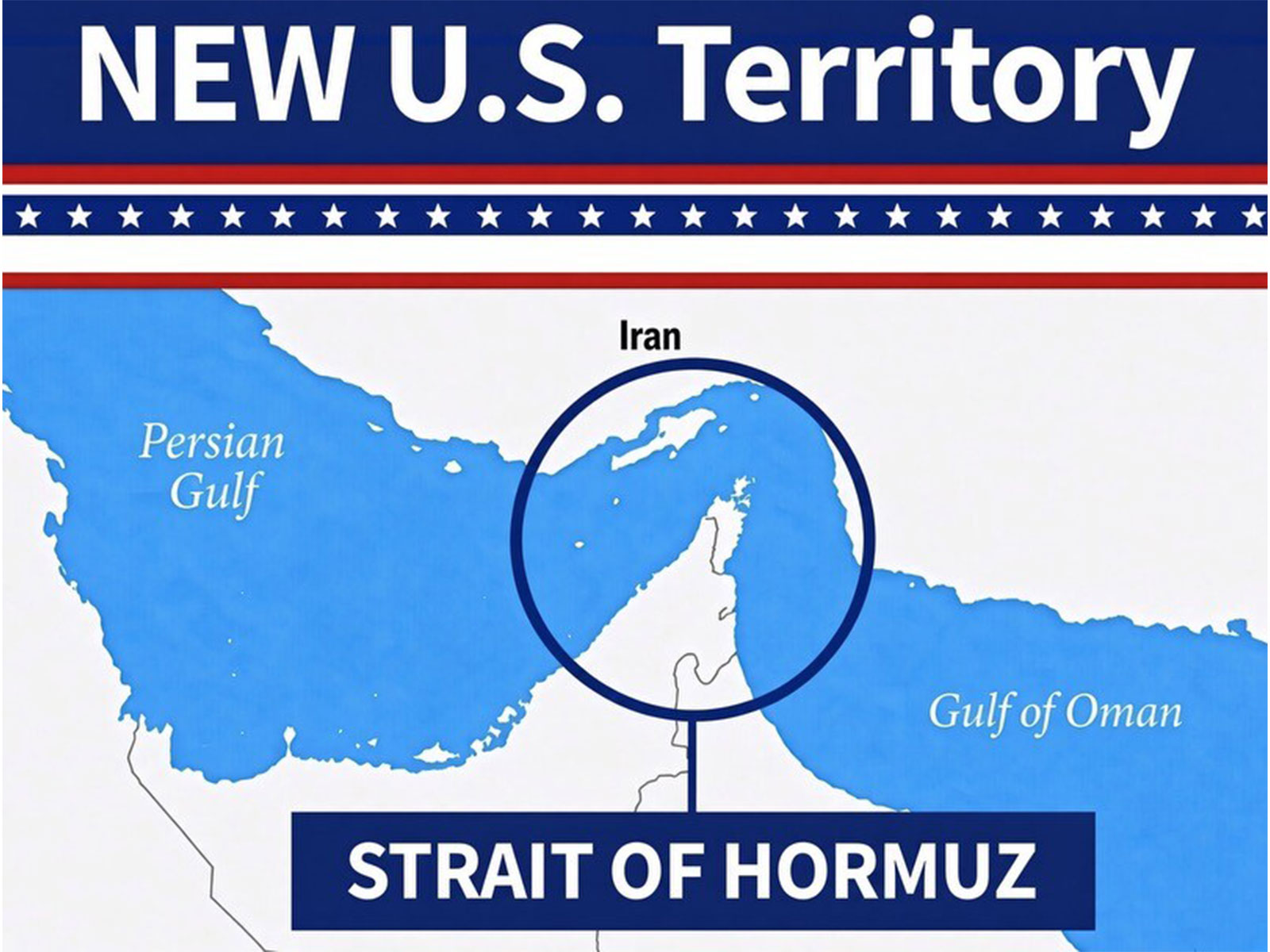
In his strongest warning, the Iranian Parliament speaker, who is also the head of the negotiating team from Iran's side, said that the Strait would not be reopened until the United States implemented its commitments under the MoU, which was signed to open technical talks to end the conflict in West Asia.
"Until America's commitments in the memorandum of understanding - including lifting the blockade, releasing frozen assets, lifting oil sanctions, ending threats and military operations on all fronts, and other conditions to which America committed - are implemented, the 'Strait' will not be opened," he said.
The remarks place the reopening of the strategically vital Strait of Hormuz directly in the context of sanctions relief and other US commitments, effectively making access through the waterway part of Tehran's broader diplomatic bargaining position as the conflict continues.
Ghalibaf also warned that Iran was prepared for a further escalation if the US continued its actions.
"The Islamic Republic of Iran is ready to impose a heavier defeat on the enemy in proportion to its actions and aggressions," he said.
His comments come amid severe strain over the 60-day diplomatic framework, which expired on Monday, with several key commitments still unimplemented.
Ghalibaf's speech suggested that Tehran does not regard the ceasefire and accompanying memorandum as a settled political outcome and is prepared to combine military and diplomatic pressure if Washington fails to meet its obligations.
Beyond the external confrontation, Ghalibaf devoted substantial attention to what he described as a new US strategy aimed at weakening Iran from within through economic pressure and social divisions.
He said the enemy was seeking "economic pressure and the destruction of national cohesion" after failing to achieve its objectives through military and diplomatic means.
According to Ghalibaf, Washington's strategy is to create dissatisfaction and a rift within Iranian society and exploit domestic economic difficulties.
He warned that individuals or institutions whose actions or decisions weaken national cohesion could, "intentionally or unintentionally," be operating in the interests of the enemy.
The parliament speaker also issued an explicit warning against political infighting during the crisis, urging political and media figures to put national unity ahead of electoral or factional competition.
"The matter of national war is not a scene for political and electoral competition," he said, calling for what he described as "Sacred Unity" and urging Iranians to remain united around the Supreme Leader, Mojtaba Khamenei.
Ghalibaf acknowledged that people's economic grievances were legitimate but argued that the current circumstances required national cohesion.
He called for measures to increase the purchasing power of households, including changes to Iran's commodity coupon programme or an increase in its credit and also highlighted the sensitive issue of gasoline shortages and consumption, saying reducing consumption had become unavoidable but cautioning the government against simply raising fuel prices.
"An increase in gasoline prices by the government is not a 'calculated measure,'" he said, arguing that any reduction in consumption should minimise public dissatisfaction and be accompanied by efforts to convince public opinion.
Ghalibaf further warned that Iran's adversaries could seek to exploit domestic discontent by combining unrest with security operations.
He said, based on what he described as overt and covert information, the enemy was waiting for an opportunity to create chaos alongside military operations such as "assassinations and separatist actions", supported by what he called "cognitive warfare".
He specifically warned that government measures over gasoline consumption could be exploited in such a scenario.
The warning comes as Ghalibaf portrays the confrontation as having moved into a new phase in which information, economic pressure and domestic cohesion are as important as military capabilities.
Concluding his address, Ghalibaf pledged that Iran would continue to pursue what it considers its national rights and hold the aggressor accountable.
"Under the guidance of the Supreme Leader and before the nation of Iran, we pledge to use all our power to realise the rights of the Iranian people, repel aggression, punish the aggressor, and ensure the country's pride," he said.
"We will not allow the enemy to target national unity, public presence, the resilience of the nation, and the motivation of officials," Ghalibaf added, declaring that Iran remained "united, powerful, and vigilant."
His address combined a hard external message--with the threat of renewed military action and continued closure of the Strait of Hormuz--with an equally strong domestic appeal for economic relief, political restraint, and national unity as Tehran confronts a renewed US pressure campaign as the conflict continues. (ANI)
From renewed military response to keeping Hormuz closed until conditions are met, Ghalibaf draws red line for US amid West Asia crisis