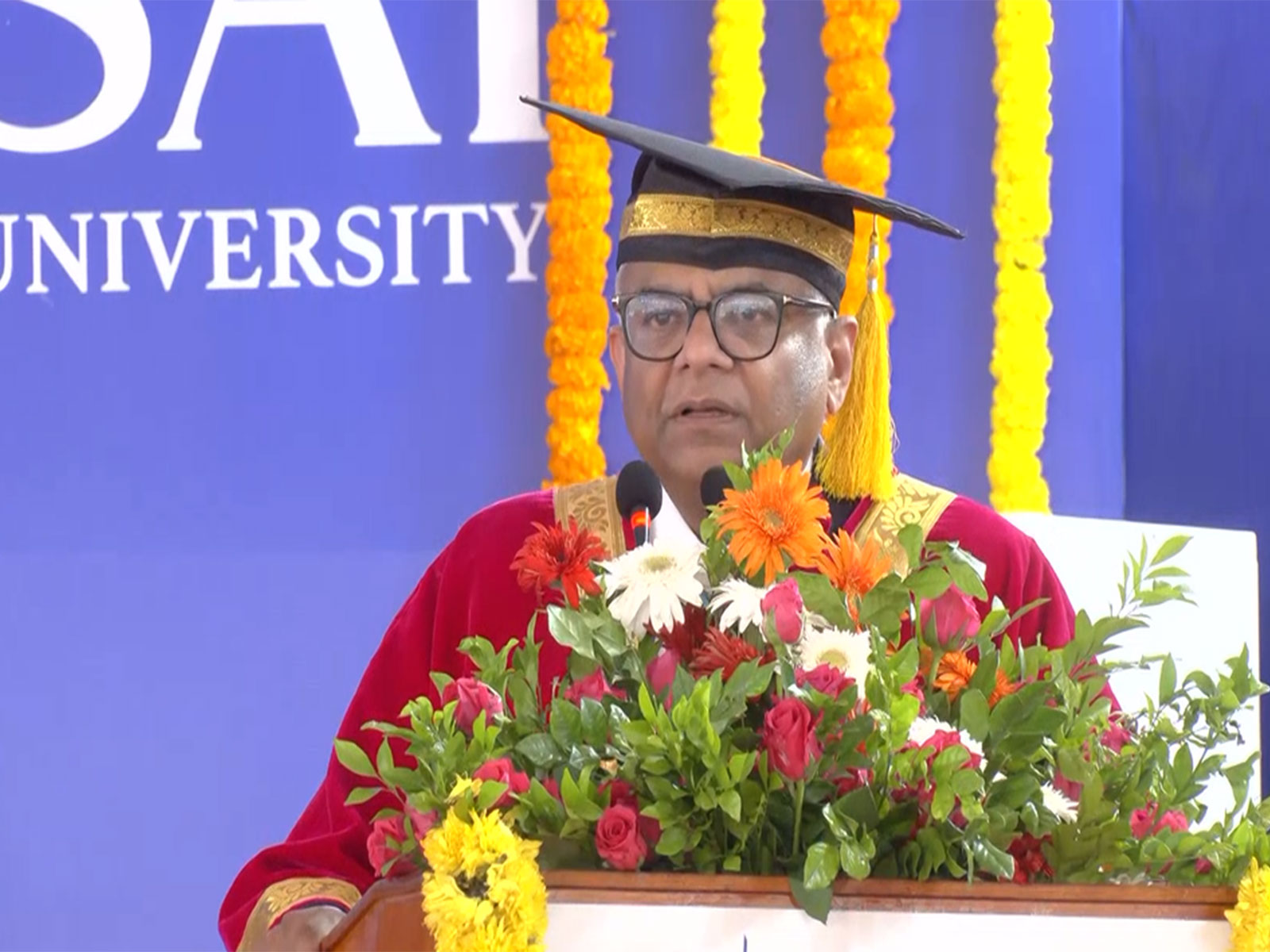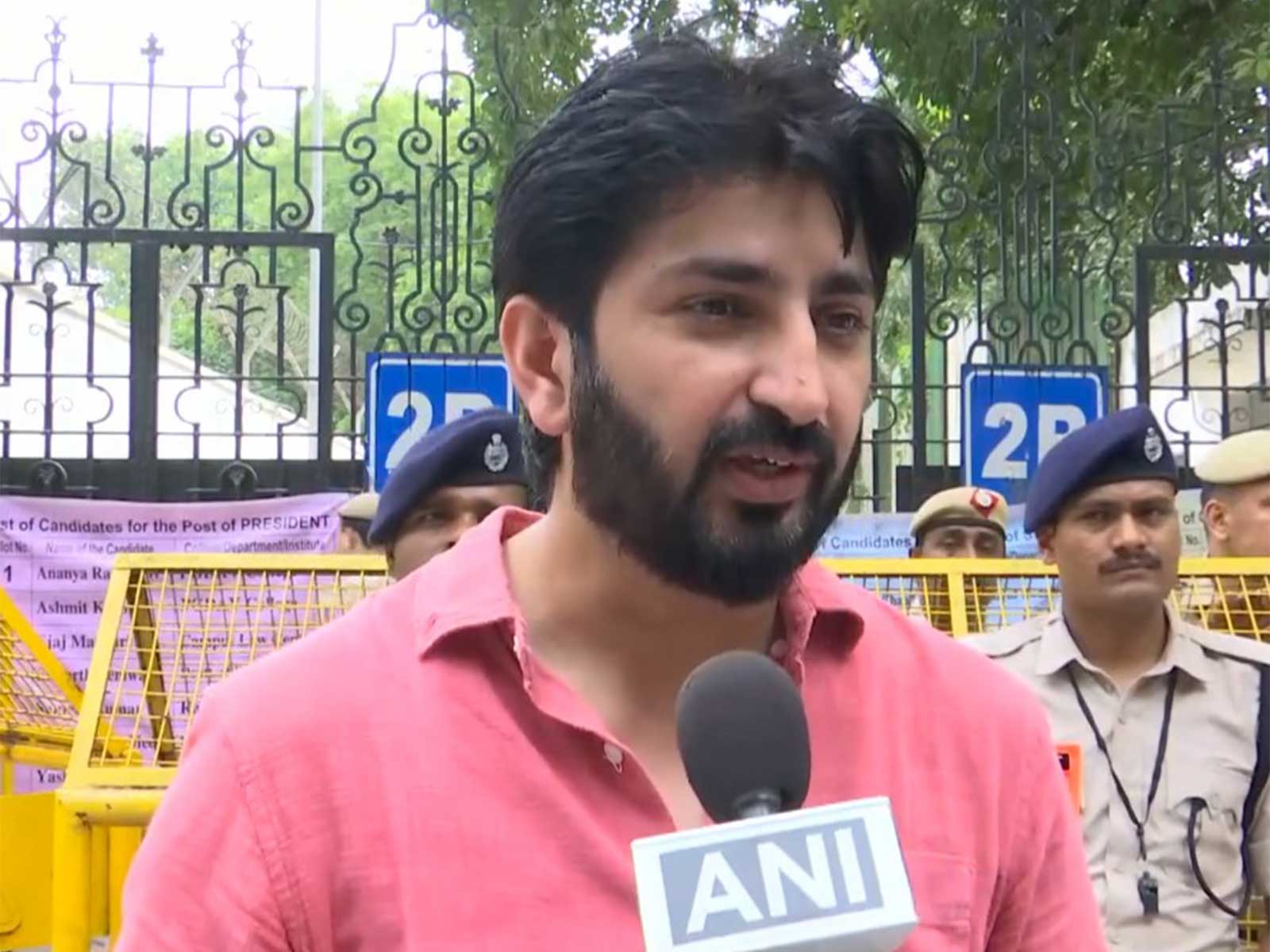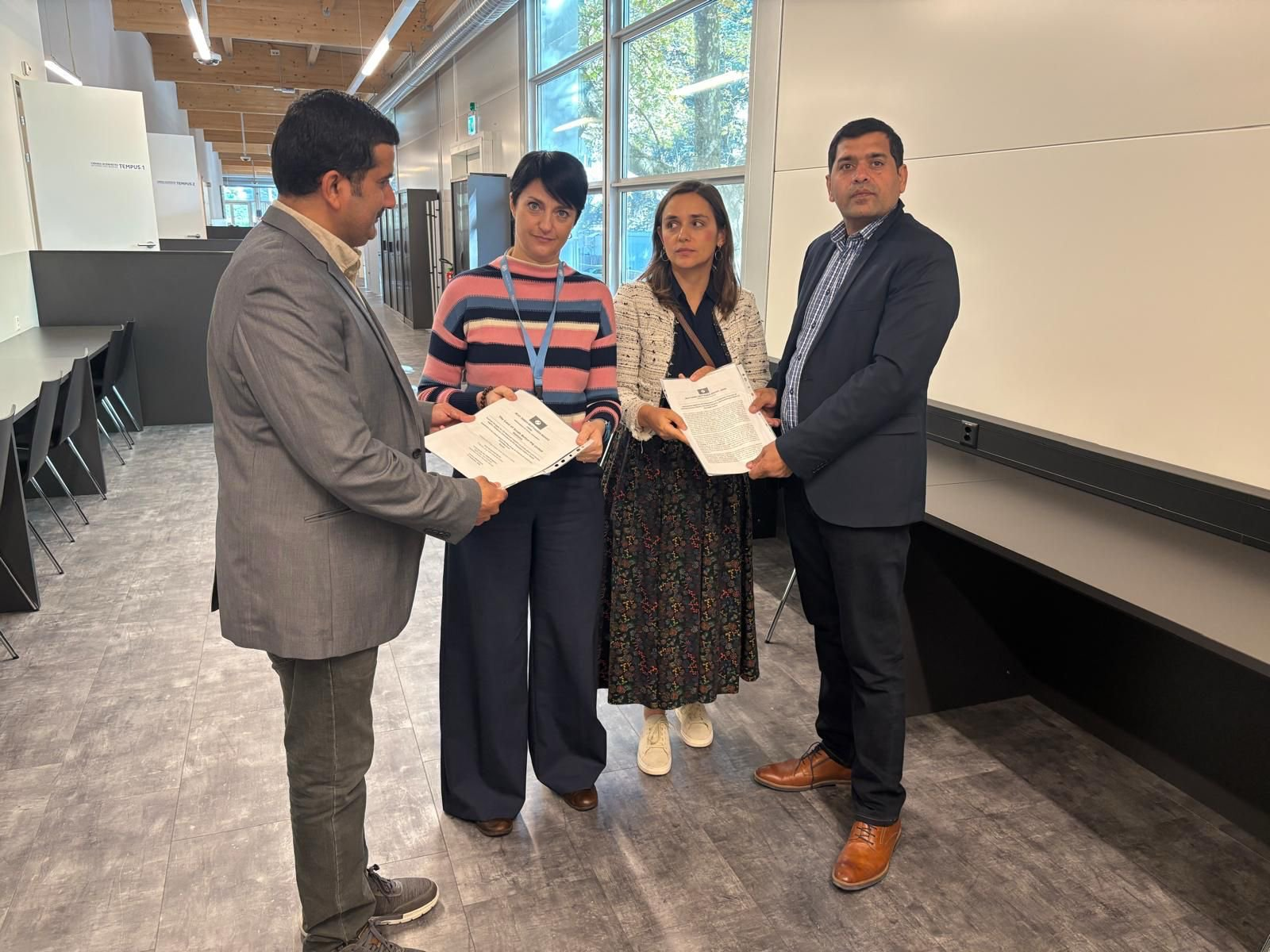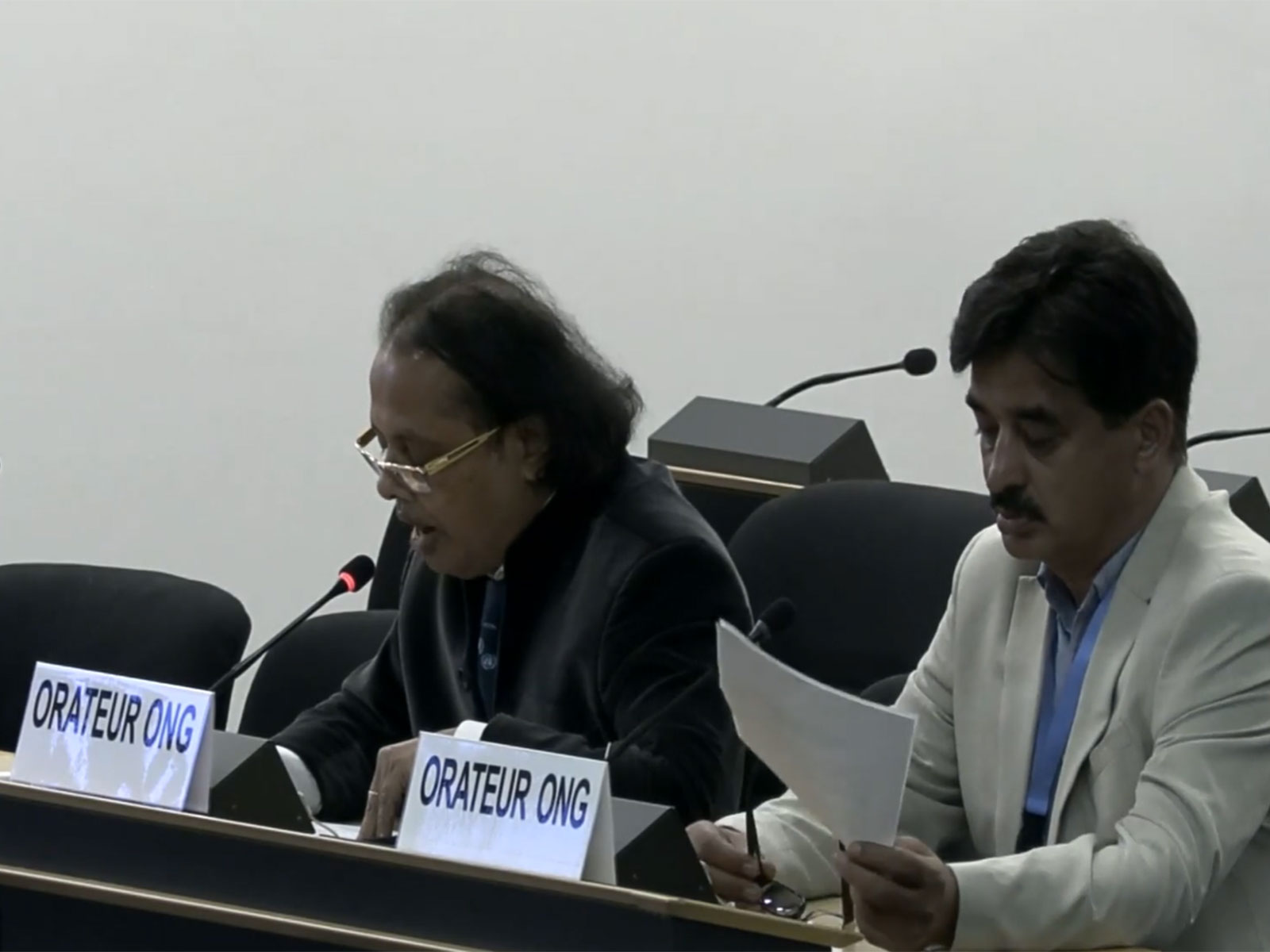
Geneva [Switzerland], September 19 (ANI): Gobind Gurbani, President of the Sindhi Adhikar Manch Association, India, addressed the 63rd Session of the United Nations Human Rights Council (HRC 63) in Geneva, highlighting the right to health and the urgent need for equitable access to life-saving medical treatment, including organ and tissue transplantation.
In his oral statement, Gurbani highlighted the challenges faced by millions of people suffering from organ failure who continue to lose their lives while waiting for suitable organs. He also pointed to inadequate healthcare infrastructure, financial barriers and geographical inequalities that prevent many patients from even reaching transplant waiting lists.
Gurbani stressed the importance of cadaveric organ donation, describing it as an expression of compassion, solidarity and respect for human dignity. He noted that a single deceased donor can potentially save multiple lives through organ transplantation, while corneal donation can also help restore sight.
He called on UN Member States to strengthen deceased-organ-donation programmes, improve hospital infrastructure and transplant coordination, and establish transparent and non-discriminatory systems for organ allocation based on medical need and fairness.
Gurbani also urged governments to increase public awareness about organ donation and address misconceptions surrounding brain death. He emphasised the need for greater cooperation among governments, civil society organisations, healthcare professionals and transplant institutions to improve access to transplantation.
At the international level, he called for stronger cooperation to combat organ trafficking and transplant tourism, while stressing that transplantation must remain grounded in ethical principles and human rights.
Gurbani concluded his intervention with a strong human-rights message, stating, “The right to health cannot be fully realised when people lose their lives simply because a transplantable organ is unavailable.”
He called for ethical organ donation and equitable access to transplantation to become an integral part of human rights and public health policies worldwide.
Gurbani is a civil society representative and human-rights advocate who serves as President of the Sindhi Adhikar Manch Association, India, and participates in international human-rights discussions concerning social justice, equality, health and human dignity. His participation at the Human Rights Council is also reflected in UN records, which list him as a speaker representing Sindhi Adhikar Manch during HRC proceedings.
His earlier intervention at the 61st Human Rights Council session also focused on cadaveric organ donation and the need to strengthen systems and awareness around organ transplantation. (ANI)
Gobind Gurbani raises organ donation, equitable healthcare access at UN Human Rights Council