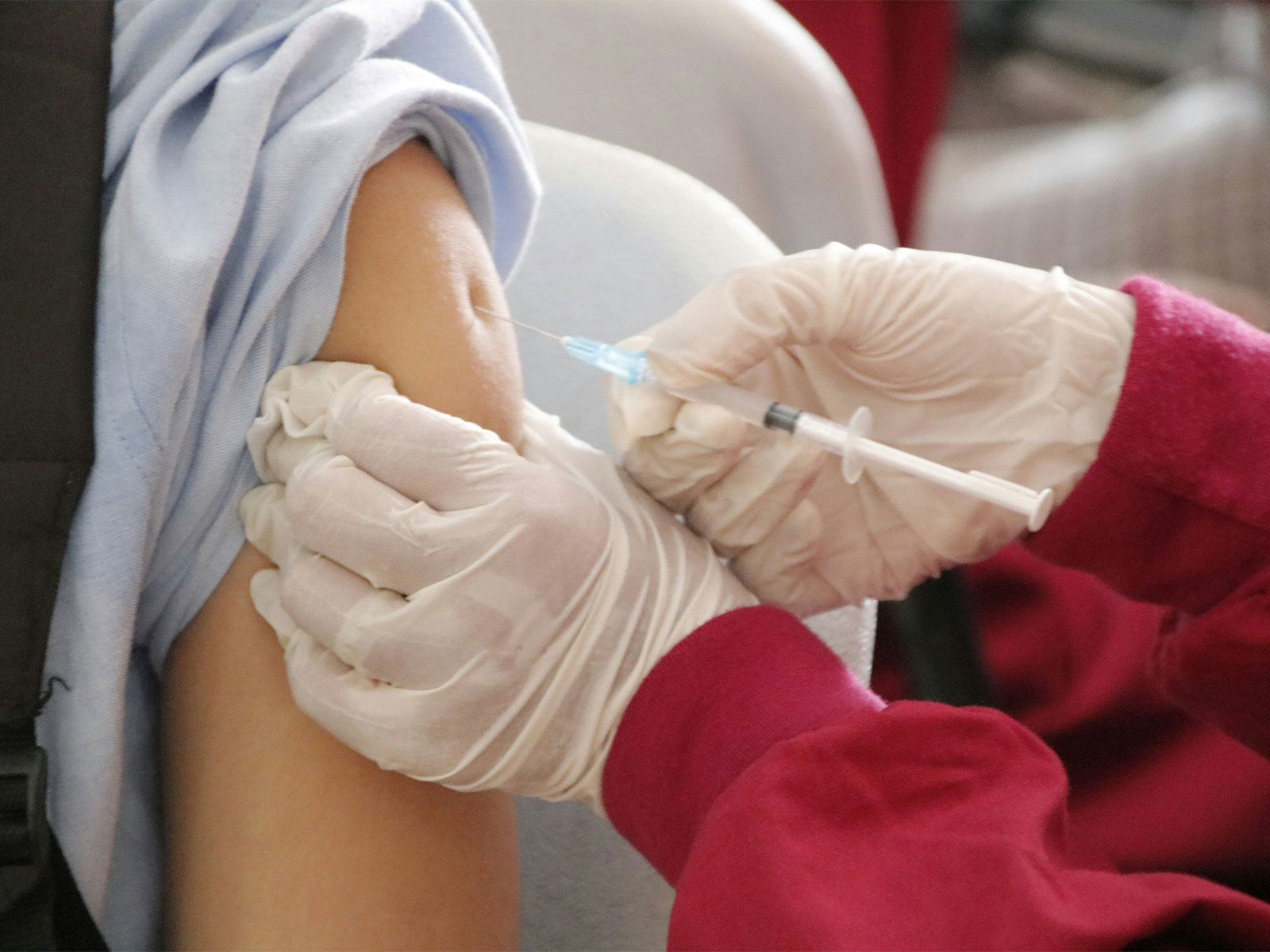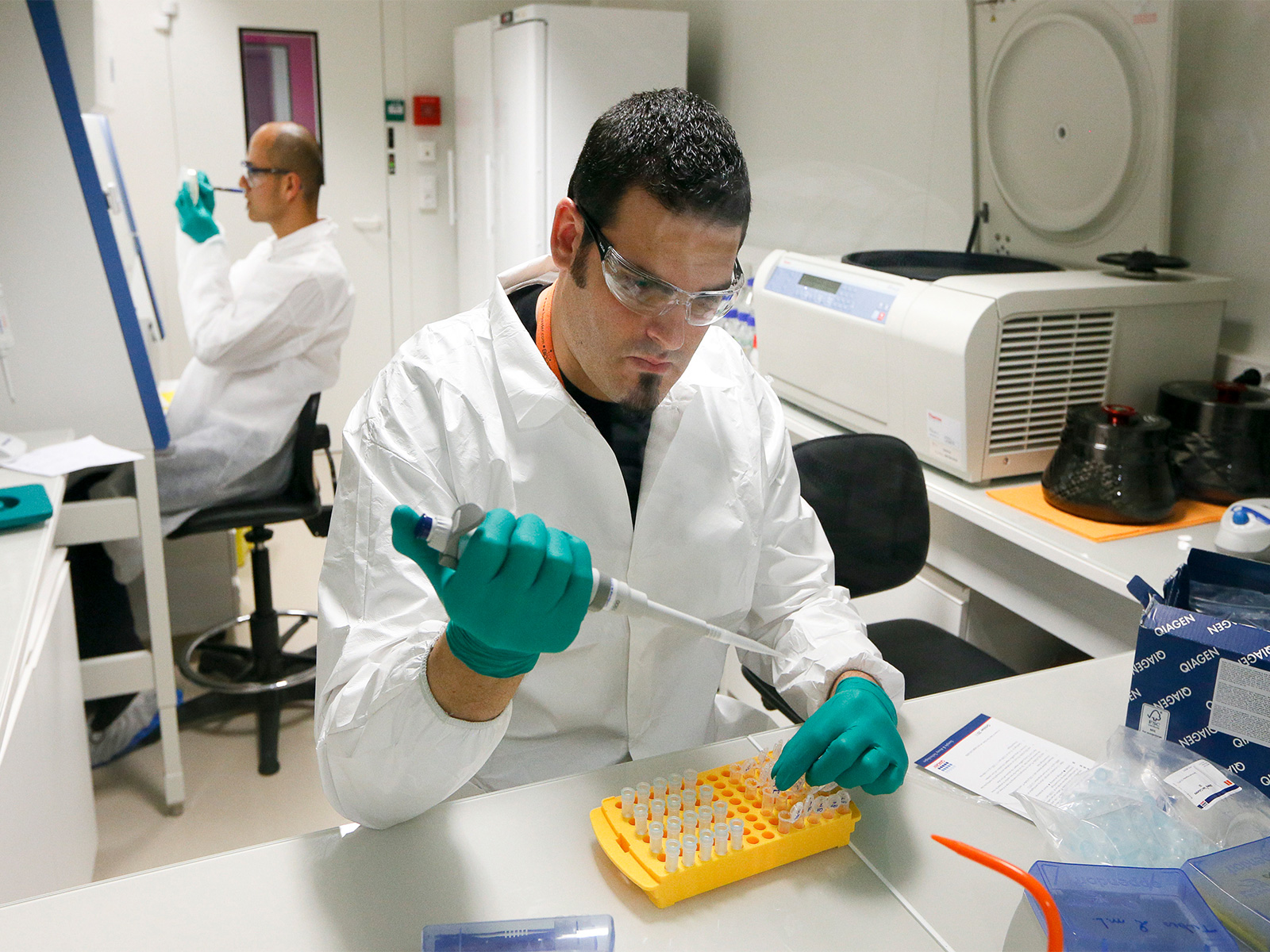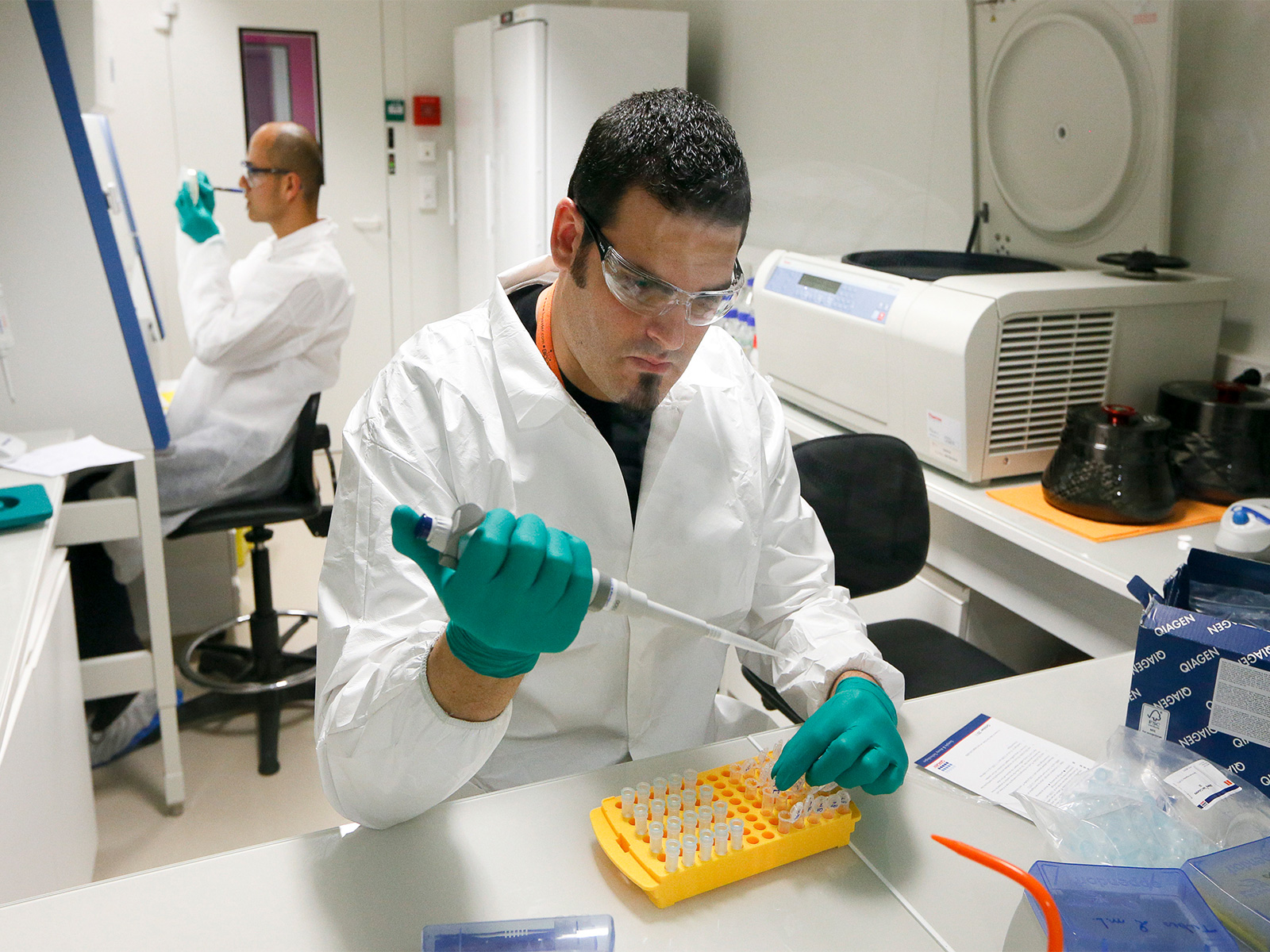
Washington [US], September 20 (ANI): Eight-weekly HIV injections kept the virus suppressed more effectively than daily tablets among adolescents in an African clinical trial, with researchers calling for wider access to the treatment in low- and middle-income settings.
The study published by Eureka Alert!, young people living with HIV managed their treatment better with long-acting injections given every eight weeks than with daily antiretroviral tablets, according to a trial led by researchers at University College London (UCL).
The findings, published in The Lancet, showed that only two adolescents, or 1 per cent, receiving the injectable treatment experienced confirmed viral rebound after 96 weeks, compared with 15, or 6 per cent, among those taking daily tablets.
The LATA (Long-Acting Treatment in Adolescents) trial involved 476 adolescents aged 12 to 19 across five clinics in Kenya, South Africa, Uganda and Zimbabwe. Participants were randomly assigned either standard daily tablet treatment or injections containing the long-acting HIV medicines cabotegravir and rilpivirine.
All participants had been taking tablet treatment for more than a year, had fully suppressed HIV and had no previous treatment failure. Almost all had acquired HIV at birth.
Viral rebound refers to an increase in the amount of HIV in the blood after the virus had been suppressed. The researchers noted that rising viral loads can affect long-term health and, in some cases, increase the risk of transmission.
Nearly all participants in the injectable group- 94 per cent- said receiving treatment every eight weeks was much easier than taking medicines every day.
Professor Sarah Pett of the UCL Innovative Clinical Trials Unit, chief investigator of the LATA trial, said, “HIV-positive adolescents as a group have historically done worse on antiretrovirals compared to adults. There is bullying and stigma associated with taking pills every day. Long-acting injectables taken every two months can help young people to lead a more normal life.”
She added, “The benefits of this form of treatment for adolescents is stronger than we have seen for adults. Previous trials in adults have shown only that injectables are no less effective than tablets.”
Pett said the findings supported wider availability of injectable treatment for adolescents. “Nine out of 10 adolescents with HIV live in Africa, yet currently this treatment is not accessible to them,” she said.
About 1.6 million adolescents aged 10 to 19 are living with HIV. Although there is currently no cure for HIV, antiretroviral treatment can enable people to live long, healthy lives and substantially reduce the risk of transmission.
Researchers said expanding access to long-acting injections in Africa and other lower-resource settings faces several challenges. The medicines are more expensive than standard tablets because they remain under patent and cost more to manufacture. Rilpivirine also requires refrigeration during supply and storage, while trained nursing staff are needed to administer the injections every eight weeks.
By comparison, people taking daily tablets may have treatment appointments only every three or six months. There is also currently no agreement on a generic version of the injectable treatment.
In the US, Europe and other high-income settings, the injections can currently be prescribed to adolescents aged 12 and older and adults. In Africa, however, they remain unavailable outside a small number of clinics.
The World Health Organisation currently recommends long-acting injectables as an “alternative” option for adults and adolescents who are taking daily tablets, have successfully suppressed HIV and do not have active hepatitis B.
Dr Deborah Ford of the UCL Innovative Clinical Trials Unit, the study's corresponding author, said: “The lack of availability of injectable treatments in Africa risks increasing inequalities in HIV care, leaving most people living with HIV without access to treatments that are available in high-income settings.”
She added, “This gap may widen further with second- and third-generation injectables being trialled that may require doses just twice a year.”
Dr Mutsa Bwakura-Dangarembizi, the trial physician and principal investigator of the Harare site, said: “The LATA trial finding that the eight-weekly injections were much better for keeping the virus undetectable, were well tolerated and strongly preferred by adolescents, is really exciting news,” adding, “But we have a major problem right now in Africa and in other low-and-middle income settings, where these long-acting injectables are simply not available for use. This problem needs to be addressed to enable us to use these injectables in the groups that need them the most, i.e. adolescents living with HIV.”
The trial was funded by the European Union through EDCTP-2 and Johnson & Johnson Innovative Medicines. Johnson & Johnson Innovative Medicines provided injectable rilpivirine, while ViiV Healthcare provided injectable cabotegravir. UCL was the study sponsor.
Researchers from Kenya, South Africa, Uganda and Zimbabwe contributed to the trial, with participants enrolled at five sites across the four countries. The study also involved social science, pharmacology and health economic researchers from the London School of Hygiene and Tropical Medicine, Radboud University Medical Center and the University of York. (ANI)
HIV injections keep virus suppressed better than daily pills: Study