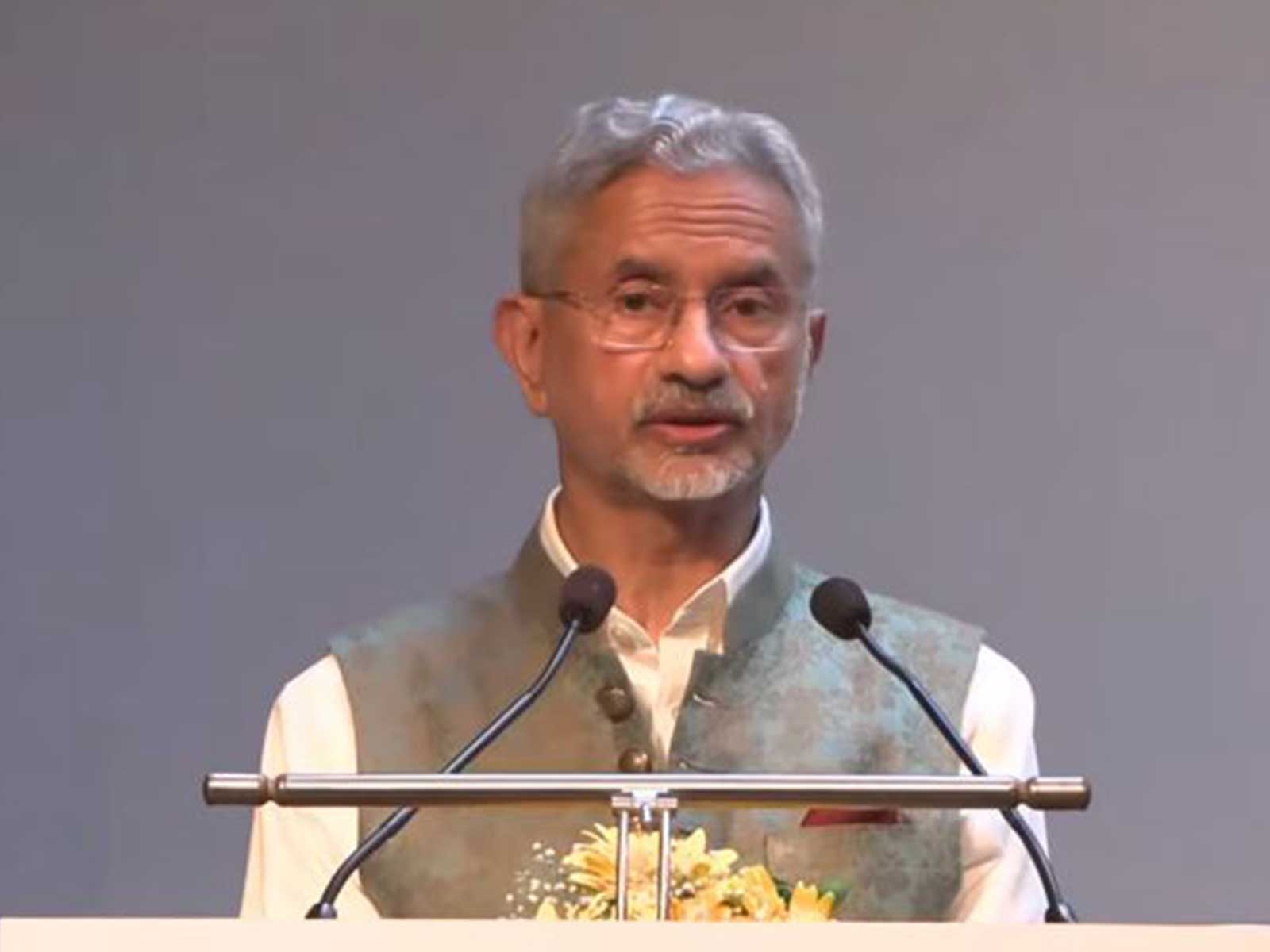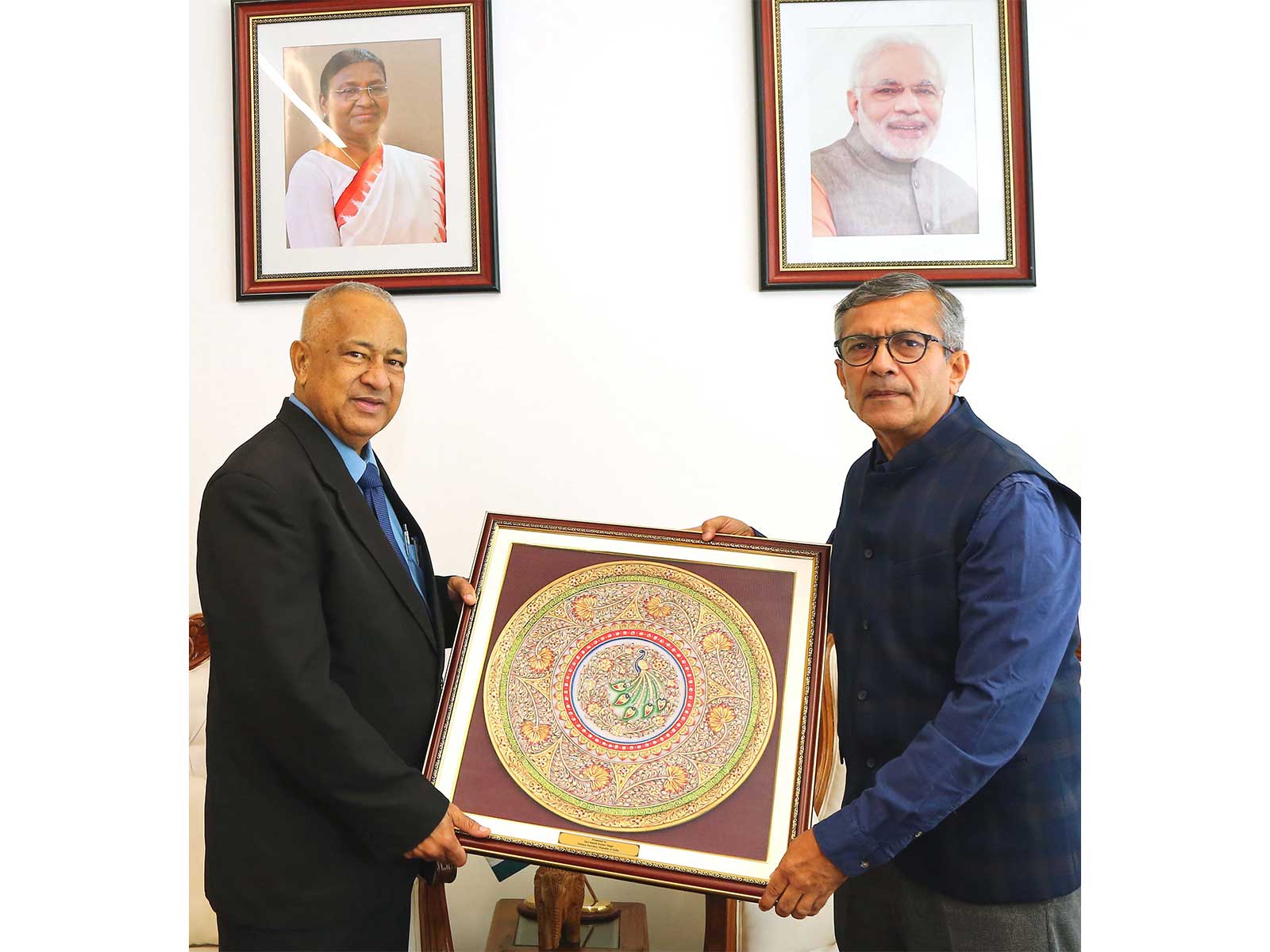
New Delhi [India], September 15 (ANI): External Affairs Minister S Jaishankar on Tuesday outlined six key issues that Indian diplomacy will face in the coming decades, including the consequences of India’s rapid growth, the global flow of talent and skills, communication and AI, the Global South, India’s civilisational identity and strategic autonomy, as he underlined the need for the country to navigate an increasingly turbulent and uncertain global landscape.
Addressing the valedictory session of the Silver Jubilee celebration of the Indian Council of World Affairs (ICWA) as an Institution of National Importance, Jaishankar said India’s rapid growth would have a direct bearing on its global footprint, the intensity of its ties with other nations and its relevance to key global debates.
“India is destined to rise in a very turbulent world, and the intellectual accompaniments of that process will surely be demanding. And that is where an institution like ICWA can make an effective contribution,” he said.
Noting how in the last decade, India’s GDP has doubled, and capabilities multiplied in many domains, he told the gathering, “We are viewed very differently by the world today.”
“This is not just a matter of figures or of size or quantity. It has a direct implication for our footprint in the world, for the intensity of our ties with other nations, and for our relevance to key global debates. We count more, we influence more, but we also have greater responsibility,” Jaishankar said.
He said the foreign policy dimensions of “Viksit Bharat by 2047” would need to be considered as India’s rise unfolds.
On India’s human resources, Jaishankar said the international flow of talent and skills would be an important policy consequence, as a globalised workplace increasingly requires a globalised workforce.
“For Indian diplomacy, there is a whole host of issues which flow from that reality: our consular services, our community welfare initiatives, our rapid response capabilities, our mobility understandings—all these have a salience that they have never had before,” he said.
“This is definitely a more people-centric foreign policy today,” he added.
Jaishankar also identified communication and narrative building as a key challenge for diplomacy amid rapid technological change, the digital era and the rise of social media.
He said these developments required “different techniques” of capturing attention and shaping beliefs, alongside an increased speed of response.
“Now, that said, we now confront the prospect of conducting diplomacy in the era of AI. This is a debate in itself, but the short point is that our business is going to get very much more complicated,” he said.
Highlighting the role of sentiment in international relations, Jaishankar said culture, history and experience remained factors that could bond nations, particularly among countries that had regained their freedom in the post-colonial era.
Jaishankar also described India’s emergence as a “multi-millennia civilization regaining its place on the global stage” as an unusual development, saying the country could be subject to discussion and “possibly even of misreading from time to time”.
“India will have its own character traits; it will have its own personality and one that the world will come to appreciate. But it is up to us to communicate, to explain, and to facilitate that process,” he said.
He said a civilisational state would naturally take the long view and that India’s approach to international relations would be “considered, will be sober, and will be composed”.
“When India advocates dialogue and diplomacy, when we stress that endless war must give way to an end to war, this is our particular way of thinking,” Jaishankar said.
“Indian diplomacy will always have peace and development as its central agenda—not just as an idealistic goal, but as a sensible prescription for the world order to advance progress and prosperity,” he added.
“Indeed, you would perceive that India’s answer to the culture of extreme competition is to double down on multipolarity,” Jaishankar added.
On strategic autonomy, Jaishankar said India’s independent stance was an “intrinsic and fundamental feature” of its approach to world affairs.
“This is in our DNA. This is actually our mindset; it’s our intuitive belief,” he said.
While discussions could continue over India’s “maneuverability, flexibility, and creativity”, Jaishankar said there was no alternative to strategic autonomy.
“No one really serious believes that there is an alternative to strategic autonomy. As a result, we are naturally designed for the multipolar world that awaits us all,” he said.
“Indeed, you would perceive that India’s answer to the culture of extreme competition is to double down on multipolarity,” Jaishankar added.
He said these six perspectives needed to be viewed against a “radically transformed global landscape” that was becoming “more turbulent and uncertain by the day”. (ANI)
“India destined to rise”: Jaishankar outlines six key areas of focus for Indian diplomacy