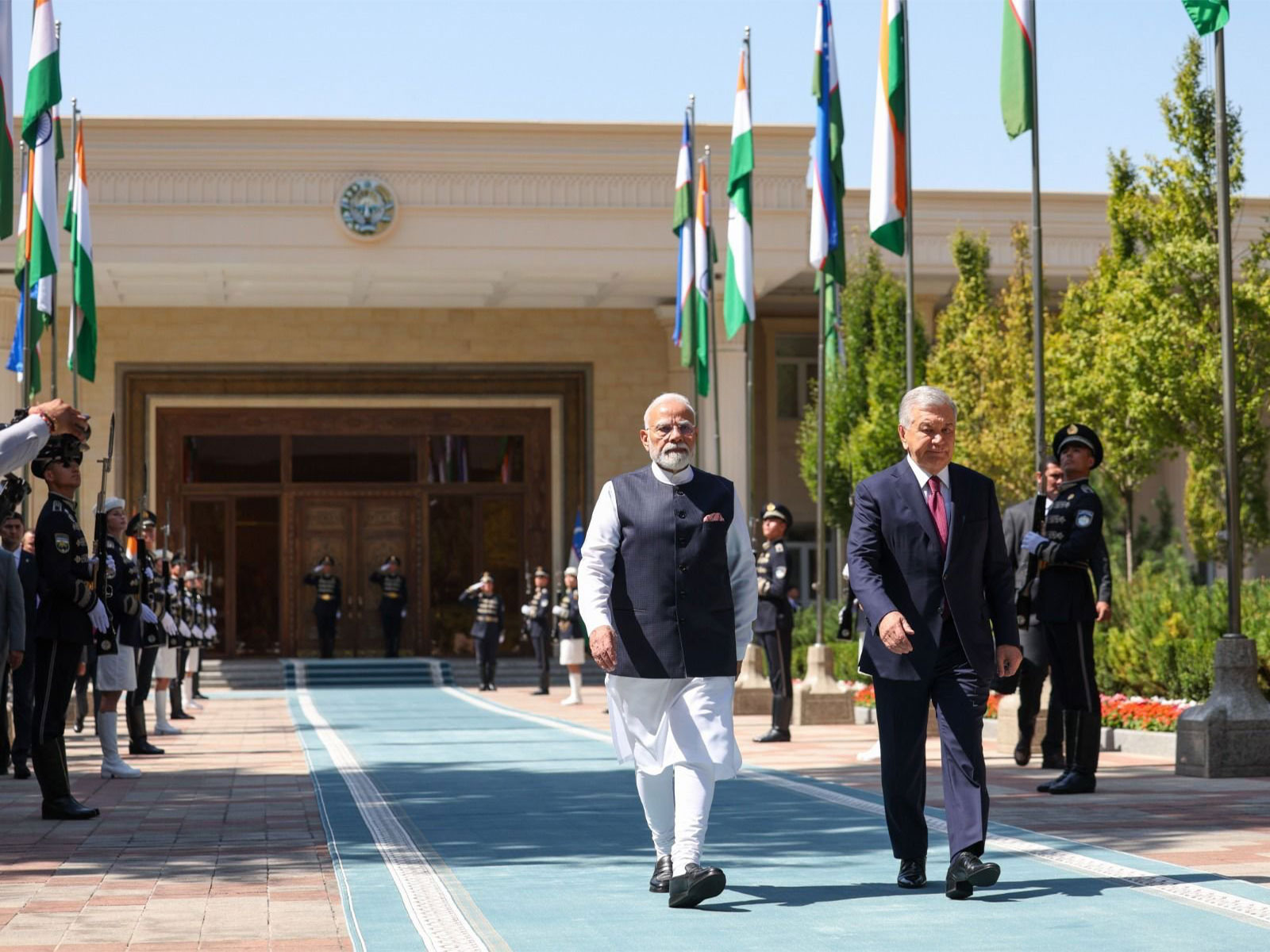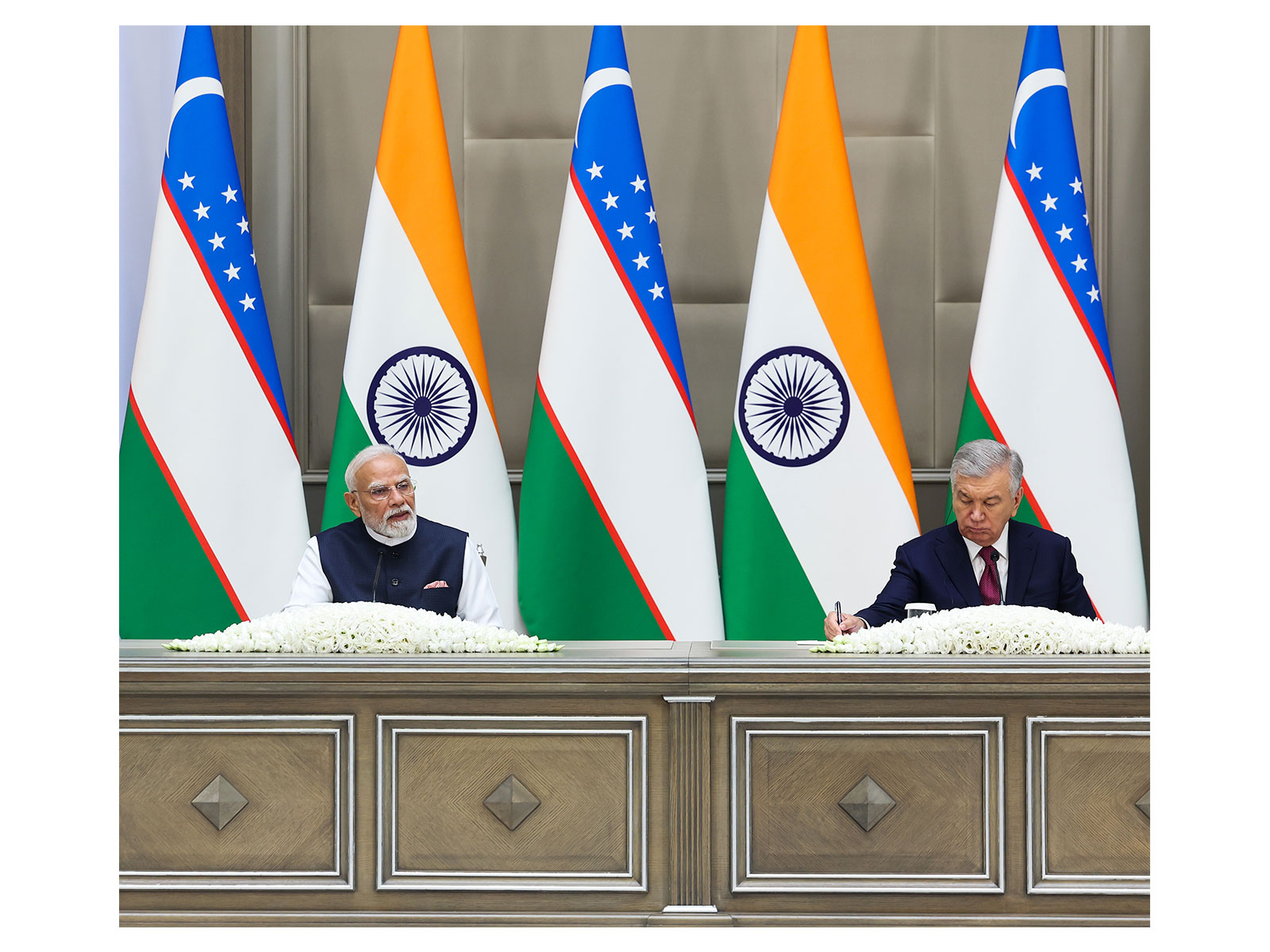
Tashkent [Uzbekistan], August 30 (ANI): Prime Minister Narendra Modi's two-day state visit to Uzbekistan has imparted fresh momentum to India-Uzbekistan ties, with the two countries elevating their relationship to a Comprehensive Strategic Partnership and announcing a series of initiatives spanning digital payments, mining, critical minerals, uranium, trade, healthcare, education, environment and culture.
The two-day state visit, held from August 29 to August 30 at the invitation of Uzbek President Shavkat Mirziyoyev, resulted in the exchange of 11 MoUs, agreements and understandings, besides a series of major announcements aimed at giving greater depth and direction to bilateral cooperation.
A key outcome of the visit was the elevation of India-Uzbekistan relations from a Strategic Partnership to a Comprehensive Strategic Partnership, reflecting the growing scope of engagement between the two countries.
At a special briefing on the Prime Minister's visit, Secretary (West) in the Ministry of External Affairs (MEA), Ambassador Sibi George, said that the elevation of ties would provide a framework for expanding the relationship in multiple areas.
"The elevation of ties to a comprehensive strategic partnership together with substantial outcomes across education, trade and commerce, culture, traditional medicine, environment, people-to-people exchanges and of course mining and the uranium which I spoke about provides a strong framework for taking our bilateral cooperation forward," George said.
The two leaders also agreed to establish a Foreign Ministers-led mechanism to provide high-level coordination and oversight for the implementation of agreements and priority bilateral initiatives. The level of the Joint Commission is also being raised from the secretary level to the ministerial level.
Trade and economic cooperation emerged as another major pillar of the visit, with India and Uzbekistan setting an ambitious target of increasing bilateral trade to USD 5 billion by 2030, from the current level of around USD 1 billion.
Prime Minister Modi said the two countries would systematically work towards the target by focusing on market access, connectivity and banking and payments.
"This year marks 15 years of our strategic partnership. On this special occasion, we have decided to elevate our relations to a 'Comprehensive Strategic Partnership'. We have prepared an ambitious agenda to move forward with speed. Our bilateral trade has crossed USD 1 billion, and we have now set a target of USD 5 billion by 2030. To achieve this, we will systematically move forward on market access, connectivity, and banking," PM Modi said.
A major digital cooperation outcome was the agreement to aid the use of India's UPI payment system in Uzbekistan.
A commercial agreement between NPCI International Payments Ltd and Uzbekistan's National Interbank Processing Centre is aimed at enabling Indian UPI applications to scan Uzbekistan's national UZQR codes for merchant payments.
Secretary (West) George said the initiative represented an important step towards interoperability between the digital payment ecosystems of the two countries. Once implemented, Indian travellers visiting Uzbekistan are expected to be able to make merchant payments using their UPI-enabled applications.
Mining and critical minerals also featured prominently in the discussions, with India and Uzbekistan signing an MoU on cooperation in geology and mineral resources. The agreement is expected to support greater collaboration in mining and critical minerals, including areas connected with uranium.
The two sides also held positive discussions on a long-term arrangement for the supply of uranium to India. George said the countries were "closing in to signing of an agreement very shortly."
Infrastructure, energy, Artificial Intelligence, digital public infrastructure, space, agriculture, healthcare and pharmaceuticals were also identified as priority areas for expanding the Comprehensive Strategic Partnership.
On the environment front, India announced a USD 1 million grant for afforestation and ecological rehabilitation efforts in the Aral Sea region under the Government of India's Grant-in-Aid framework, including the provision of technical support.
The initiative builds on the convergence between Uzbekistan's 'Yashil Makon' and India's 'Ek Ped Maa Ke Naam' campaigns. PM Modi and President Mirziyoyev also jointly planted a tree at the Presidential Palace garden under the two initiatives, highlighting their shared commitment to a greener and more sustainable future.
Education and human resource development formed another important component of the visit. India announced 100 Lal Bahadur Shastri Scholarships for Hindi language studies for meritorious Uzbek students and an ICCR Sanskrit Chair at the Tashkent State University of Oriental Studies.
The two sides also reaffirmed their commitment to expanding cooperation under India's ITEC programme. More than 2,700 Uzbek nationals have participated in the programme over the years, while more than 400 Uzbek students have been selected for ICCR scholarships, including scholarships under AYUSH.
Healthcare and pharmaceuticals emerged as another area with significant potential. India and Uzbekistan agreed to expand cooperation in public health, biomedical research and medical innovation, while supporting the establishment in Uzbekistan, in cooperation with Indian companies, of new medical centres, laboratories, research institutions and joint pharmaceutical manufacturing enterprises.
The two sides also highlighted the potential of the Tashkent Pharma Park Innovative Scientific and Industrial Pharmaceutical Cluster as a platform for joint projects, investment in pharmaceutical manufacturing, localisation of production, technology transfer and workforce development.
Cooperation in Ayurveda and traditional medicine was further strengthened through the signing of an MoU between the two governments. The agreement is expected to facilitate joint research and greater institutional cooperation in traditional systems of medicine.
India and Uzbekistan also placed emphasis on their shared civilisational and cultural heritage. A Letter of Intent was exchanged for the conservation and restoration of the ancient Buddhist sites of Fayaz Tepa and Kara Tepa in the Termez region of Uzbekistan.
A Cultural Exchange Programme for 2026-30 was also signed, alongside an MoU on archival cooperation. The two sides agreed to expand exchanges in music, dance, literature, arts and other cultural fields.
The visit also saw the signing of an agreement on environmental protection, a tourism cooperation programme for 2026-28 and an MoU on higher education and scientific research.
At the regional level, India and Uzbekistan agreed to expand state-to-state cooperation, with a partnership established between the Gujarat and Samarkand regions, building on the existing Gujarat-Andijan cooperation framework.
The two sides also agreed to strengthen diplomatic training cooperation between India's Sushma Swaraj Institute of Foreign Service and Uzbekistan's Diplomatic Academy, besides establishing an Economic and Financial Dialogue between their respective finance ministries.
Defence and security cooperation also figured in the talks. The two countries agreed to further strengthen cooperation between their defence and security agencies, while India has provided Aarogya Maitri BHISHM cubes to Uzbekistan's armed forces to augment disaster-response capabilities.
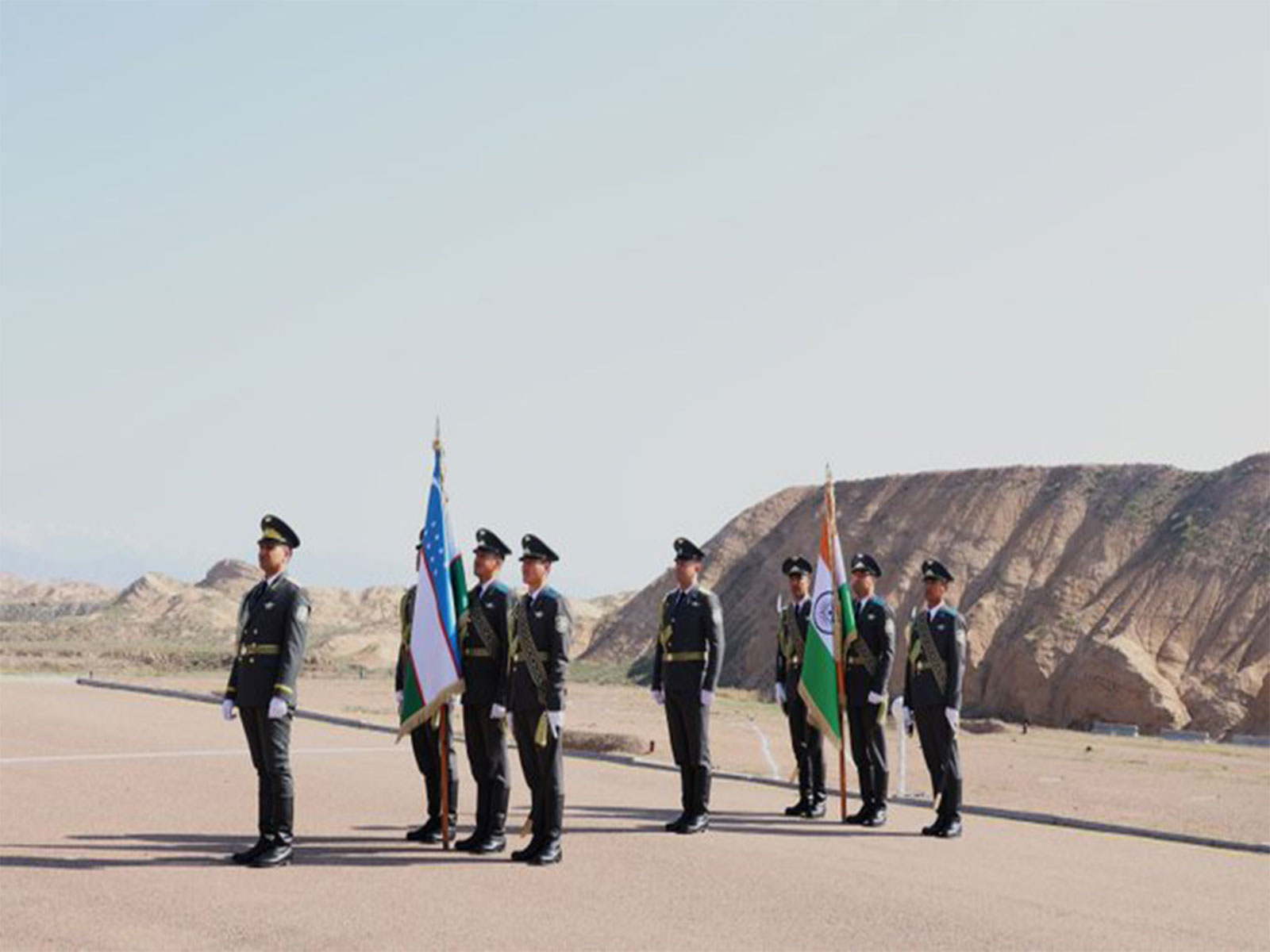
PM Modi was also conferred with the 'Oliy Darajali Do'stlik' Order, Uzbekistan's highest state honour for foreign leaders, by President Mirziyoyev for his contribution to strengthening friendship between the two countries.
PM Modi dedicated the honour to the people of India and highlighted that it represented the enduring friendship between the two civilisations.
During the visit, PM Modi also paid floral tribute to former Prime Minister Lal Bahadur Shastri at the Shastri Memorial in Tashkent.
"Paid homage to former Prime Minister Lal Bahadur Shastri Ji in Tashkent. We remember a towering statesman whose unwavering commitment to the nation continues to inspire generations," PM Modi said.
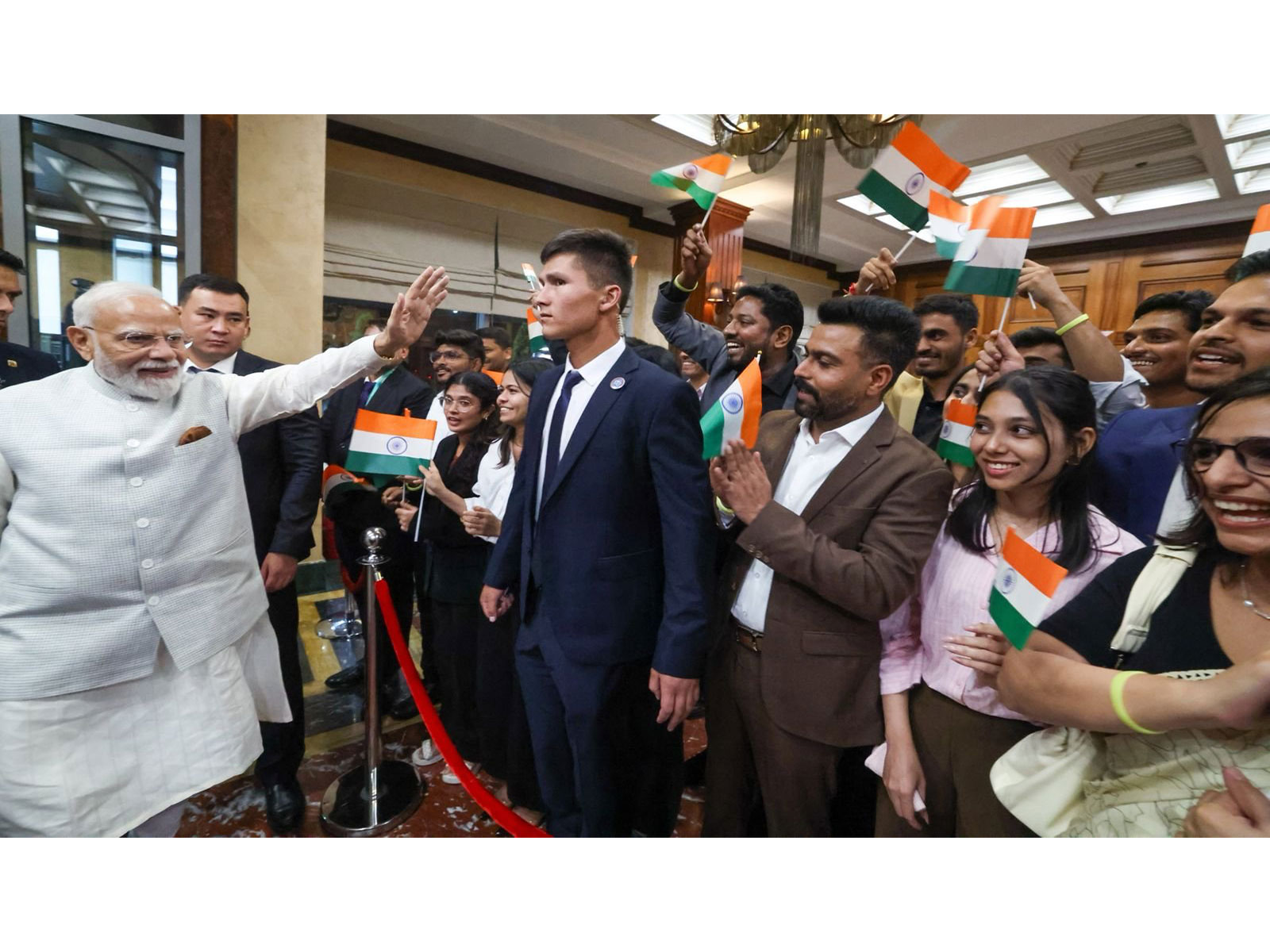
The Prime Minister later visited the Mahatma Gandhi Centre at Tashkent State University of Oriental Studies, where he interacted with Indologists and students, underlining the longstanding intellectual and people-to-people ties between India and Uzbekistan.
PM Modi also invited Uzbekistan to participate actively in WAVES 2.0, India's global platform for the creative economy, scheduled to be held next year.
On regional cooperation, PM Modi announced that the next India-Central Asia Summit would be held in India next year and said Uzbekistan would remain an important partner in strengthening India's engagement with Central Asia.
India and Uzbekistan established diplomatic relations on March 18, 1992, and elevated their relationship to a Strategic Partnership in 2011. The latest decision to establish a Comprehensive Strategic Partnership marks a significant new phase in bilateral relations.
Following the conclusion of his State Visit to Uzbekistan, PM Modi travelled to Bishkek to participate in the 26th Shanghai Cooperation Organisation Summit, where he is scheduled to hold bilateral meetings on the sidelines. (ANI)
India-Uzbekistan unveil 16 key outcomes as ties elevate to Comprehensive Strategic Partnership; UPI, mining, uranium in focus