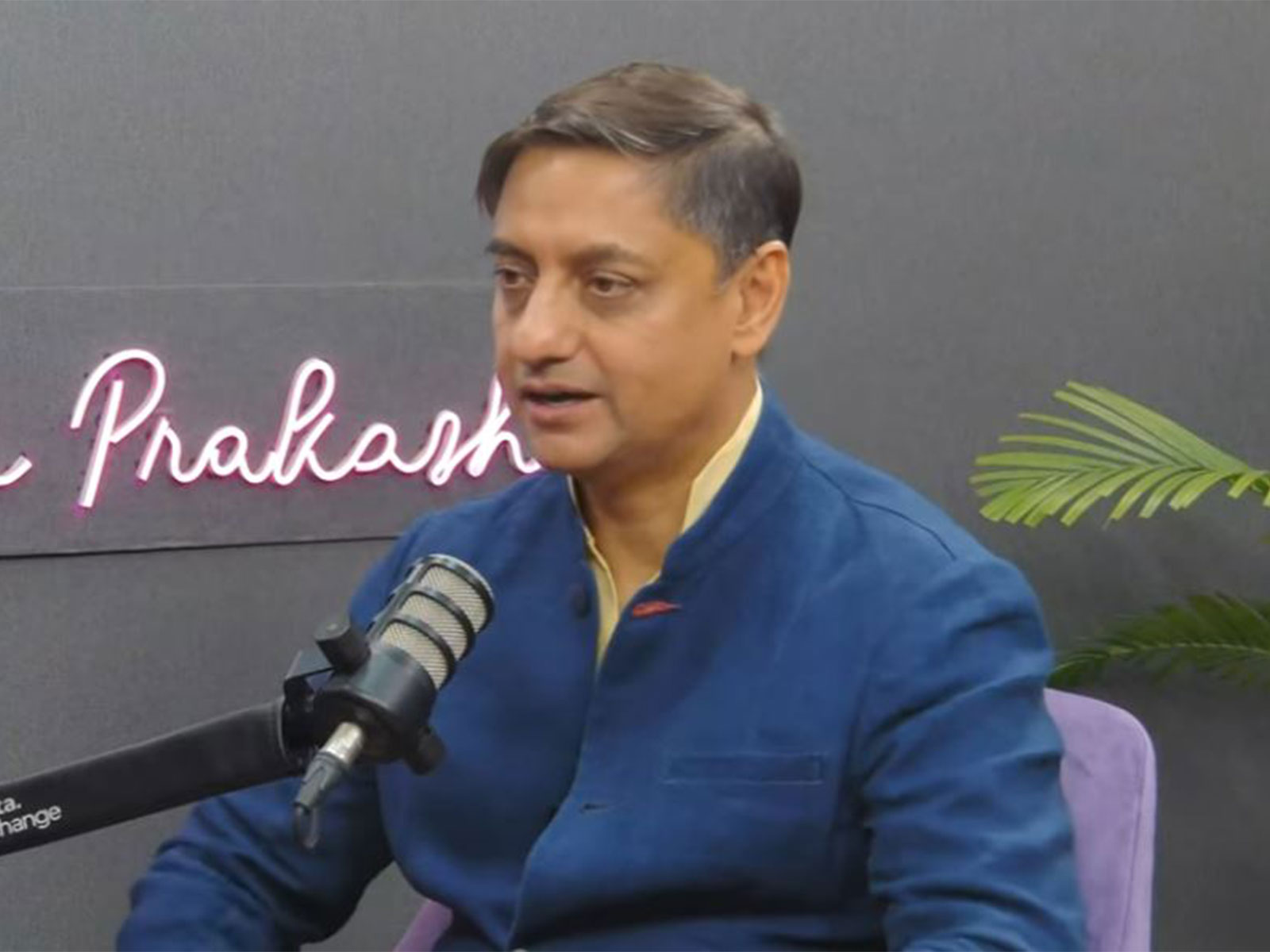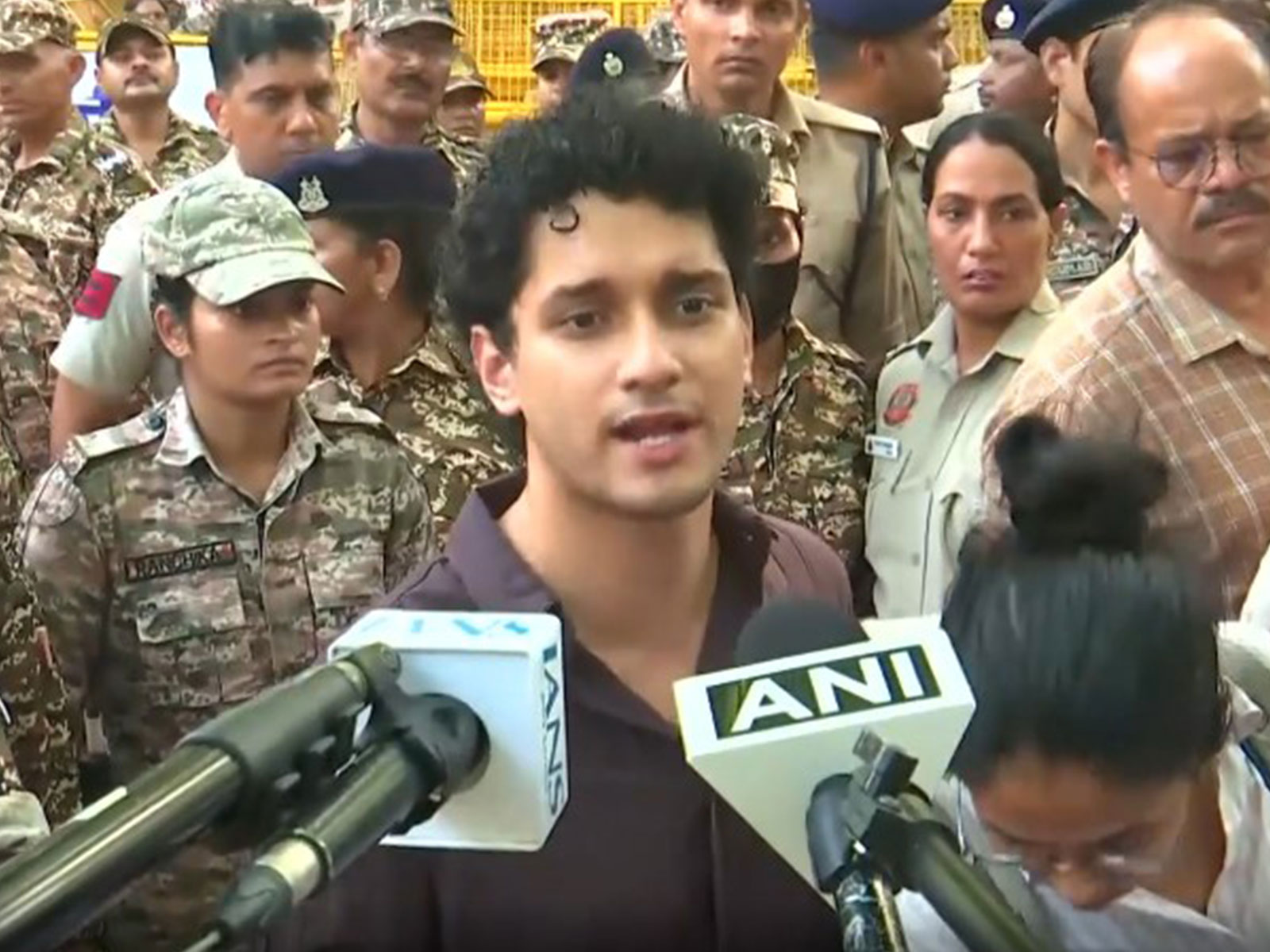
New Delhi [India], August 19 (ANI): Member of the Economic Advisory Council to the Prime Minister (EAC-PM) Sanjeev Sanyal has called for a scrutiny of the coaching system in India, asserting that much of the subversion of the country's educational framework occurs through these institutes, and pointed out that even in China, a similar subversion used to take place through coaching classes.
In an interview with ANI, Sanyal went on to describe the coaching sector in the country as a "mafia," emphasising that the entire system requires thorough oversight and scrutiny.
"Also needs to be a part of this conversation is the system of coaching classes. Because much of the subversion of this system, by the way, even in China, used to happen by the coaching classes there. You should read about how they cut down on, you know, cracked down on the coaching class system. By improving the public school system. Not just that, they have cracked down directly on the coaching class system. And in any case, whether they do it or not, the fact of the matter is the way our system works and a lot of the deliberate subversion of our system, which is done by this, what I would in fact go as far as to call the mafia, needs to be properly looked into," said Sanyal.
Addressing queries regarding the National Education Policy, Sanyal asserted that significant improvements are needed in India's education system and called for the enhancement of the National Education Policy. He noted that since the policy was drafted based on a pre-AI environment, the policy must be updated to keep pace with rapidly evolving technological times.
"I think there is a lot of things that need to be done about the education system. And in some ways, we have to understand that the NEP was written in a pre-AI world. So in some ways, we need to now begin to enhance it and move on. There are some very good things in the NEP, but we do need to realize that the world we are now entering already is a very different one from the one in which the NEP was written," added Sanyal.
However, Sanyal defended the policy of NEET ( National Eligibility cum Entrance Test), emphasising that prior to its introduction, the country dealt with multiple examinations involving capitation fees, creating a complex system highly vulnerable to compromise.
Comparing it with the Goods and Services Tax (GST), he argued that while one can critique its operational aspects, claiming NEET is not an improvement over the previous structure misses the point given that the alternative options are much worse. Sanyal stressed that the ongoing debate should focus on how to make NEET function effectively rather than dismissing it as a bad system as a whole.
"Don't forget what the world was like before it existed. It was a world of multiple exams with capitation fees and so on. So let's not throw the baby out with the bath water. The whole reason you wanted this is to create a standardized system where you take one exam in that space and hopefully, young men and women can prove themselves in that field. Now, I understand that any single exam that you create will have its own issues. And I'm not getting into how the exam should be run and so on. Of course, there's no excuse for having paper leaks and so on," stressed Sanyal.
"And we are fixing that. But let's go back one step back to the whole theory of why we have them at all. The system was a riddled and complex system that was clearly, even in the earlier system, extremely leaky. It's the same thing with GST. You can complain all you want about the GST system should work better, but to say that the NEET system is not an improvement on the previous system is simply missing the point. After all, what is the other system? So yes, we need to make this one work, but let the debate be about how to make it work rather than about, oh, NEET is a bad system. I'm sorry. The alternatives are much, much worse. Okay. It needs tweaking," said Sanyal.
Discussing Pallavi Iyer's article comparing the Indian and Chinese examination systems, Sanyal further pointed out that India requires a well-oiled machine for its education framework. He emphasised that the system must effectively prevent question paper leaks and ensure that student results accurately reflect their actual performance.
"The system of using nationwide exams as a means of recruitment is essentially a Chinese invention. They have been doing this for thousands of years. We actually adopted it during the British period for the civil service exam, in fact, from the old Mandarin system of China. So they do have a very long history in this. And my own view on this, as far as India is concerned, yes, we do need to have, you know... a good, well-oiled machine, there are obviously the integrity of the examination system itself, which is how the questions are set, making sure that those questions are not leaked, and of course the taking of the exam and making sure that the results are commensurate to what the performance of the student is," said Sanyal. (ANI)
'India's coaching-class system has become a Mafia': Sanjeev Sanyal calls for scrutiny of coaching system