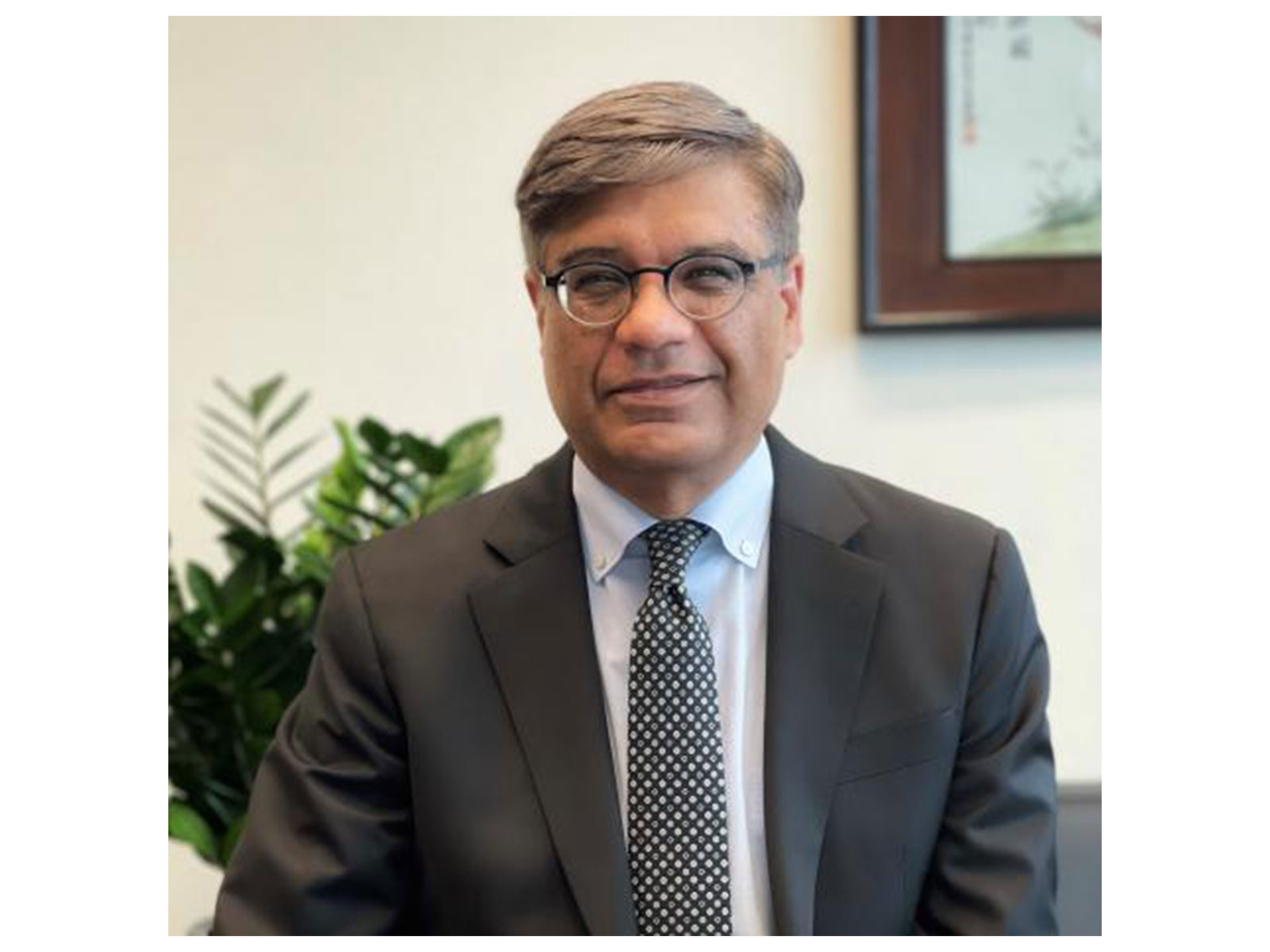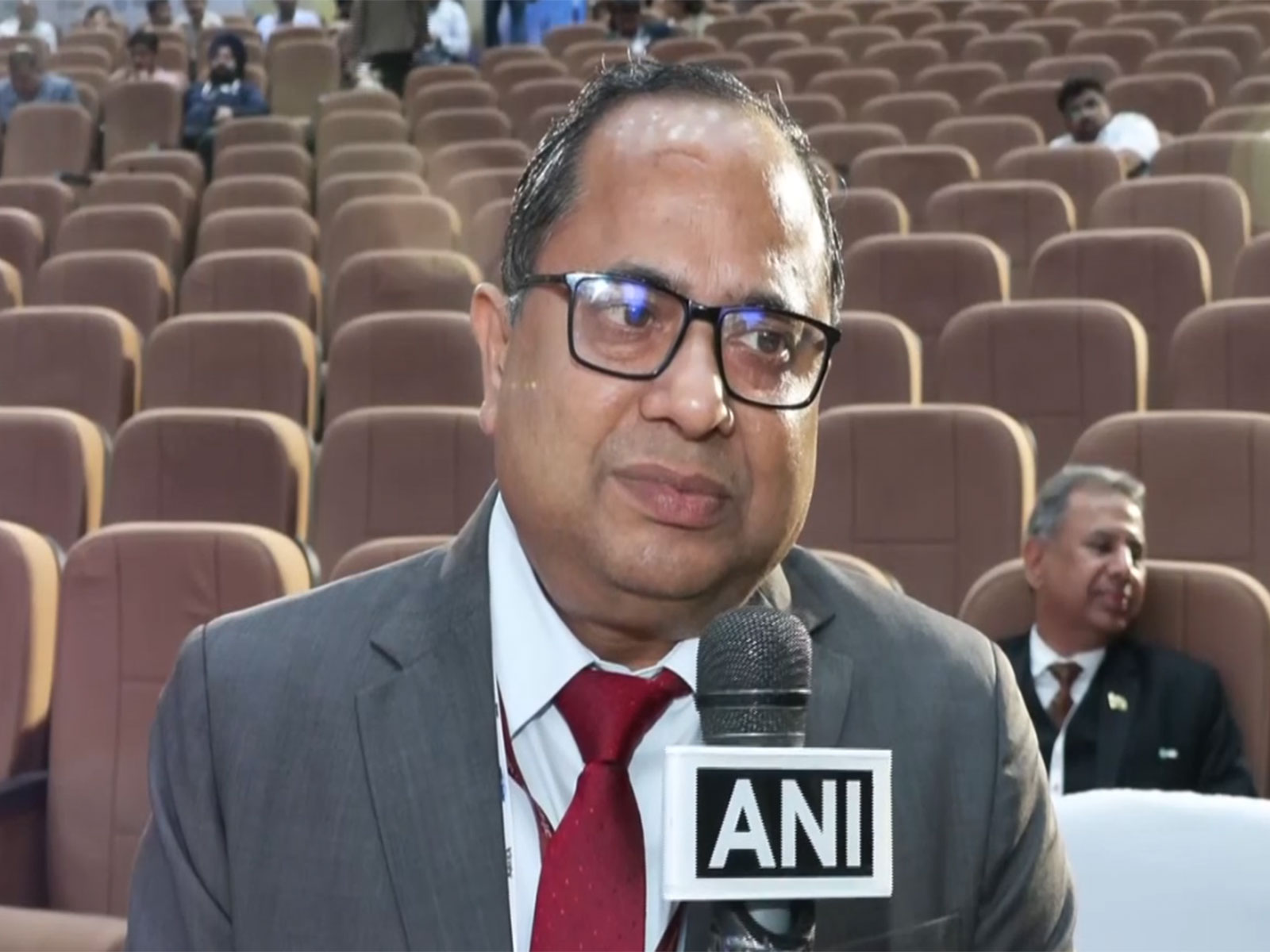
Bangkok [Thailand], October 15 (ANI): India's digital infrastructure, including Aadhaar and the Unified Payments Interface (UPI), has helped the country achieve decades of development in less than a decade, said Siddharth Tiwari, member of the Advisory Council of the Bretton Woods Committee and Lead Author of the BWC report on digital infrastructure, highlighting India's experience as an example for other developing economies.
In an exclusive conversation with ANI, Tiwari said India's full-stack digital infrastructure model had accelerated development by bringing together technology, digital identity and payment systems.
However, he cautioned that around 100 countries lack the technical skills and resources required to build similar systems independently.
"India's full-stack model has allowed India to leapfrog decades of development in under a decade," Tiwari said.
He explained that India's experience offers important lessons for countries seeking to build digital infrastructure but face financial and technical constraints.
Tiwari said developing a full-stack digital infrastructure model could cost between USD 50 million and USD 200 million even before a prototype is ready. Such projects also require specialised technical skills that are not available in every country.
"I think we assess that about a hundred countries in the world will not be able to write a full stack model for themselves," he said.
To address this challenge, Tiwari pointed to the emergence of digital infrastructure-as-a-service models, in which countries could use cloud-based systems instead of building every component from scratch.
These models could make it easier and cheaper for countries to deploy digital payment infrastructure without requiring the same level of technical expertise as India.
However, he stressed that making digital systems cheaper and easier to deploy would not, by itself, solve the larger problem of connecting them across national borders.
"Otherwise you will end up with 100 cheap, fast national systems with the world fragmented," he said.
Tiwari's remarks come after the Bretton Woods Committee released its latest report, Governing Digital Infrastructure: Gaps and a Framework for Growth, which warns that fragmented digital infrastructure could threaten global financial stability.
The report calls for common standards to ensure that national digital systems can work together within countries and across international borders.
Tiwari said countries continue to trade with one another and exchange capital even when their digital systems operate under different standards. This can allow financial risks to spread across borders without adequate coordination.
"Usually in a globalised economy, you can agree on a set of standards that are seen as best practices, and they are applied across countries so that risks don't transmit," he said.
He identified three major gaps in the global digital infrastructure framework: governance, adoption and accountability.
The governance gap refers to the absence of a global forum to help countries agree on common standards. The adoption gap concerns countries that lack the technical capacity to build digital infrastructure, while the accountability gap refers to the absence of mechanisms to investigate failures and coordinate responses.
Tiwari said a new international institution was not necessary to address these challenges. Instead, existing institutions should take greater responsibility.
He suggested that the G20 provide political leadership, the Organisation for Economic Co-operation and Development (OECD) harmonise best practices, the International Monetary Fund (IMF) extend these practices through its surveillance framework, and the World Bank and regional development banks finance their implementation.
Tiwari also highlighted the gap between the potential economic benefits of digital infrastructure and the funding it receives.
He said less than 5 per cent of development finance goes towards digital infrastructure, despite the significant returns such investments can generate.
Citing India's experience, he said the return on investment in Aadhaar was 38:1, compared with 4:1 for roads and power.
He added that developing countries were losing an estimated 1-2 per cent of their GDP on average by not taking the digital route.
"Most development banks are not investing because they have, they're largely investing in traditional areas like health, education," he said, adding that investors also face difficulties in assessing the returns from digital platforms and network effects.
Tiwari called for the World Bank and regional development banks to make digital infrastructure a more significant part of their lending.
He said such investments should follow principles demonstrated by India's experience, including open systems and interoperability.
"India has led the way to define some best practices," he said.
He added that emerging economies were increasingly helping shape international standards, reversing a traditional pattern in which advanced economies largely defined the rules. (ANI)
India's digital infra, like UPI and Aadhaar, helped achieve decades of development in a decade: Siddharth Tiwari, Bretton Woods Committee