New Delhi, [India] August 16 (ANI): India's growth story is broadening beyond traditional engines, with banking, auto components, e-commerce and private markets emerging as key areas of opportunity, according to a series of recent reports by global consulting firm McKinsey & Company.
McKinsey's latest India-focused research points to strong domestic demand, digitalisation, manufacturing, exports and private capital as important drivers of the country's next phase of growth, while also highlighting challenges that businesses and investors will need to navigate.
India's banking sector has significantly outperformed global peers, supported by robust economic growth, sustained credit expansion and improving asset quality. McKinsey said Indian banks' return on assets reached a decade-high 1.4 per cent in fiscal 2025, while gross non-performing assets fell to a 13-year low of 2.2 per cent.
The report, however, cautions that the sector is reaching an inflection point, with pressure on margins, rising costs and emerging stress in unsecured retail lending.
"Indian banks have been outperforming global peers, but they are still facing headwinds," McKinsey said, underlining the need for banks to balance growth with profitability, resilience, technology adoption and customer experience.
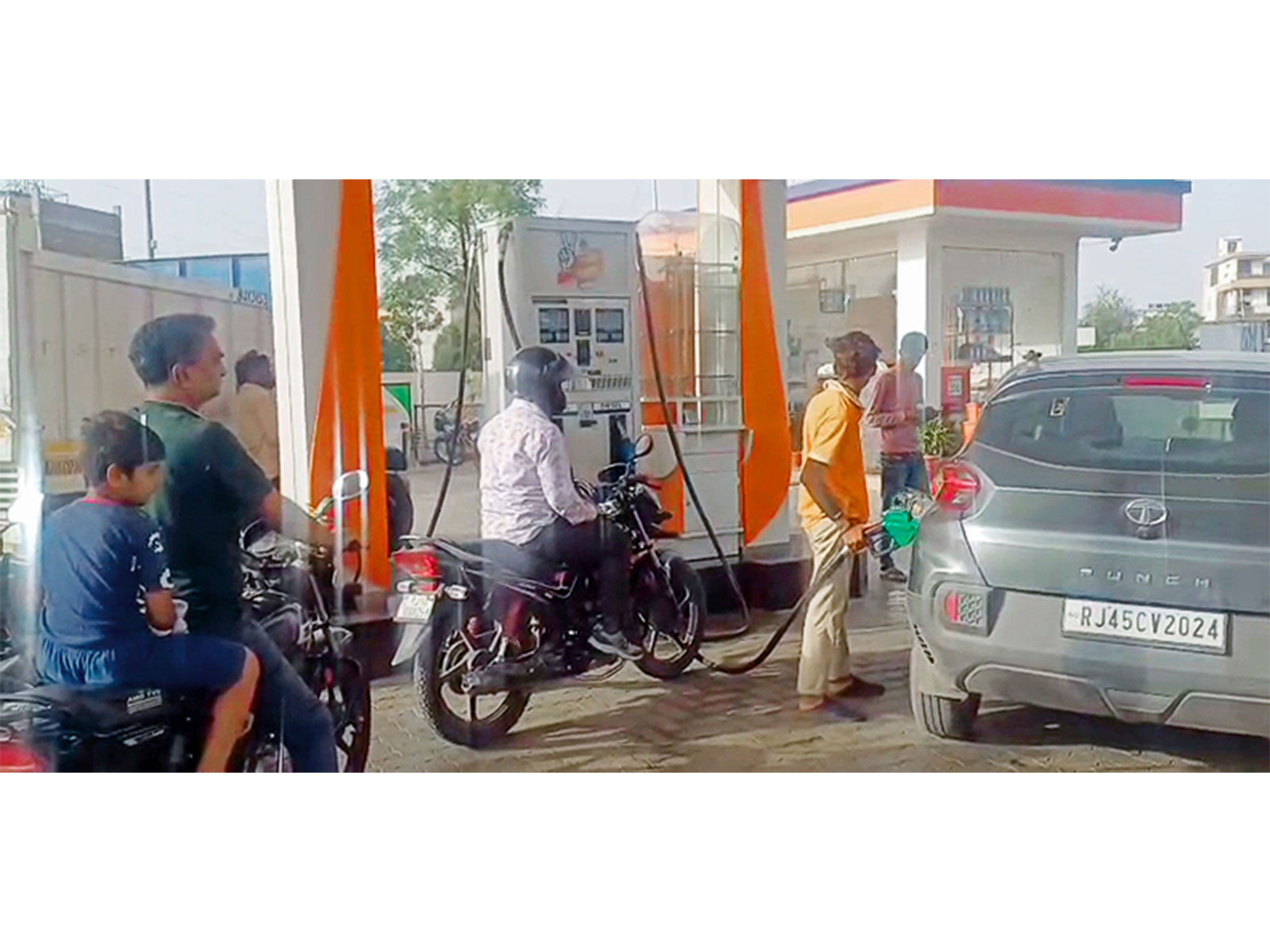
The auto-component industry is another area where McKinsey sees significant potential. The sector could expand by 7-8 per cent annually between fiscal 2025 and 2030, faster than the broader automotive market, while exports could grow at more than 20 per cent annually.
Electrification, smartification, evolving regulations and premiumisation are expected to reshape the component industry, creating demand for batteries, electric powertrains, power electronics and advanced electronic systems. McKinsey estimates India's vehicle parc could rise from about 333 million vehicles currently to around 430 million by 2030.
The consulting firm describes the sector as being "on the cusp of accelerated growth", pointing to rising domestic demand and strong export momentum.
India's fragmented retail market is also creating a new opportunity in e-commerce. Nearly 60 million MSMEs contribute close to USD 1 trillion in economic value annually, or around 30 per cent of GDP, according to McKinsey.
The firm's latest e-commerce research estimates that the share of e-commerce in India's overall retail market could rise from around 6 per cent currently to as much as 11 per cent by 2030. MSMEs could account for about half of this growth.
Direct-to-consumer (D2C) commerce is expanding particularly rapidly, with McKinsey estimating that the channel could grow from USD 10-12 billion currently to around USD 60 billion by 2030.
Private markets are adding another dimension to India's growth story. Private equity and venture capital deal activity increased 1.6 times to USD 207 billion between 2021 and 2025 compared with the previous five-year period.
Private-capital deployment across asset classes reached USD 44 billion in 2025, while its share relative to GDP more than doubled over the past decade to 1.42 per cent.
McKinsey said the private alternatives market is "increasingly important to India's economic growth", with India gaining weight among global investors amid slower growth in other major Asian markets.
Taken together, the reports suggest India's next growth phase is likely to be increasingly diversified--combining financial services, manufacturing, digital commerce and private capital. For businesses and investors, the opportunity is substantial, but McKinsey's analysis also underscores the importance of innovation, resilience, productivity and the ability to adapt to rapidly changing markets. (ANI)
India's growth story broadens as banks, autos, e-commerce and private capital gain momentum: McKinsey