New Delhi [India], September 9 (ANI): India’s textile sector is entering a multi-year growth phase, with the global “China+1” sourcing shift creating significant export opportunities. However, the shift toward man-made fibres (MMF) remains a structural gap, according to a Jefferies report.
The report noted that the global textile and apparel market is currently valued at over USD 900 billion, with apparel accounting for around 60 per cent of total trade. As global brands diversify sourcing beyond China, India is well positioned to gain market share, supported by its integrated fibre-to-fashion ecosystem, an export base of around USD 37 billion, abundant raw materials, skilled workforce and supportive government policies.
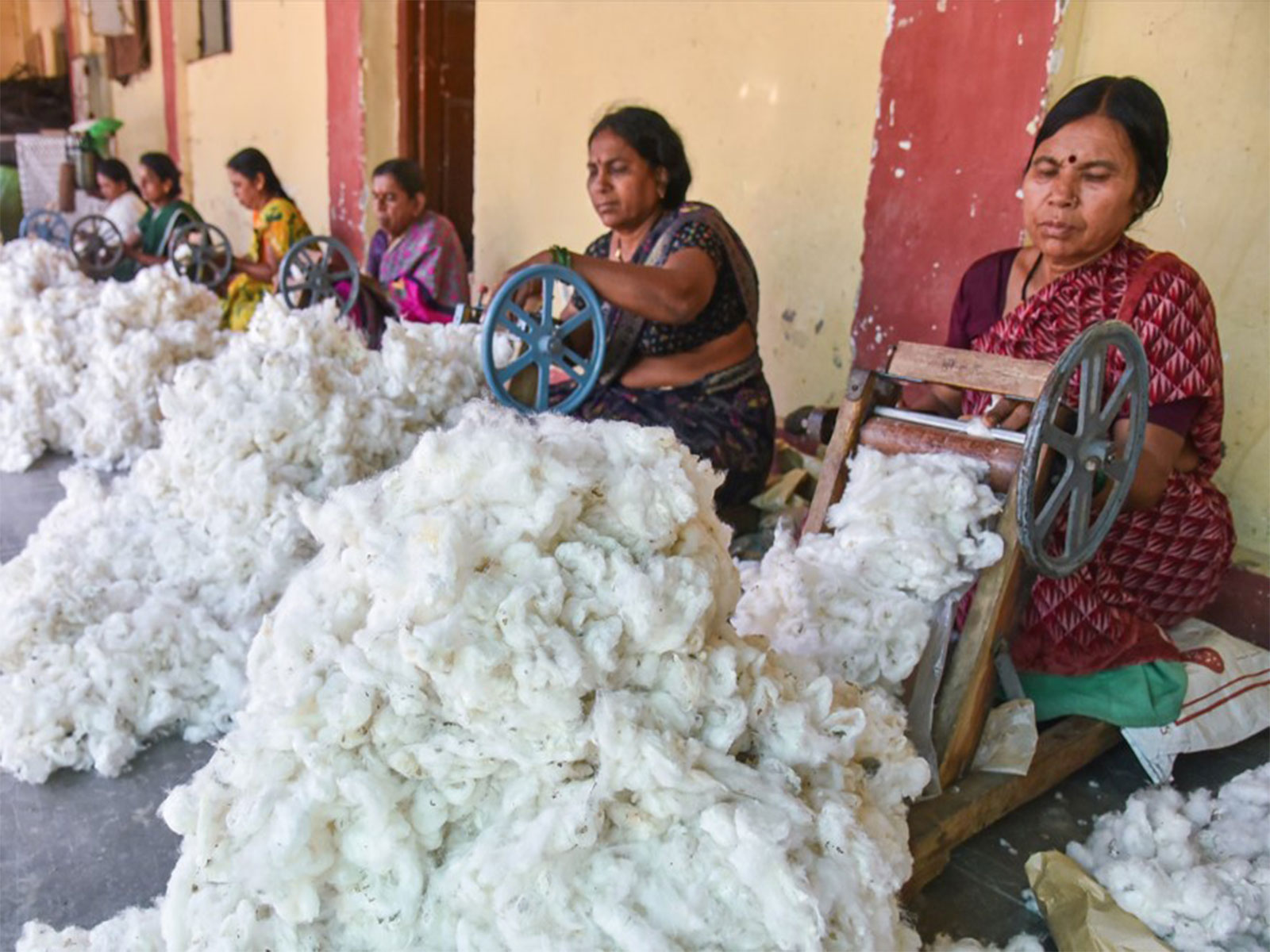
For India, “Improving trade competitiveness & supply chain realignment provide a multi-year runway for export growth and market share gains,” however, the country’s “export mix remains skewed towards cotton-based products despite global demand increasingly favoring man-made fibres (MMF) apparel and technical textiles,” Jefferies noted.
Within the broader textile opportunity, home textiles stand out as a structurally attractive niche, accounting for around “7–10 per cent of global textile and apparel trade.” Demand is supported by housing growth, renovation spending, premiumisation and rising consumer focus on home aesthetics.
“India already commands ~45-60% share in key US home textile categories such as bed linen and towels, but its share in the UK & EU remains relatively low at ~5-25%, providing significant headroom for gains,” it noted.
At the same time, Free Trade Agreements (FTAs) are expected to accelerate India’s textile exports by improving tariff access to a large global market. The UK Free Trade Agreement (FTA), effective July 2026, and a potential India-European Union FTA from 2027 could provide preferential access to a roughly USD 220 billion textile and apparel import market, where competitors such as Bangladesh previously enjoyed tariff advantages.
“Combined with China+1 sourcing, supplier consolidation, and Bangladesh's gradual loss of LDC-linked benefits, these agreements could drive meaningful market share gains for Indian exporters,” it said.
The US, European Union (EU) and United Kingdom (UK) together account for more than USD 300 billion in apparel imports, offering a significant sourcing opportunity for global exporters. At the same time, cotton accounts for 43 per cent of EU apparel imports and a significant share of major apparel categories in the US. However, despite its integrated cotton value chain and strong manufacturing capabilities, India has only around 3 per cent share of EU apparel imports and 6 per cent of the UK market. India also trails Bangladesh and Vietnam across several major cotton apparel categories in the US, indicating substantial headroom for market share gains.
Jefferies noted that India has historically underperformed peers such as Bangladesh and Vietnam in global apparel exports.
The report cited, “limited FTA coverage, higher logistics and compliance costs, smaller scale garmenting capacity relative to competitors, and a product mix skewed toward cotton-based apparel,” as major disadvantages.
It also highlighted that global demand is increasingly shifting towards man-made fibre (MMF) apparel, sportswear and athleisure, areas where India has relatively limited presence. (ANI)
India’s textile sector poised for multi-year export growth, but shift toward man-made fibres remains a challenge: Jefferies