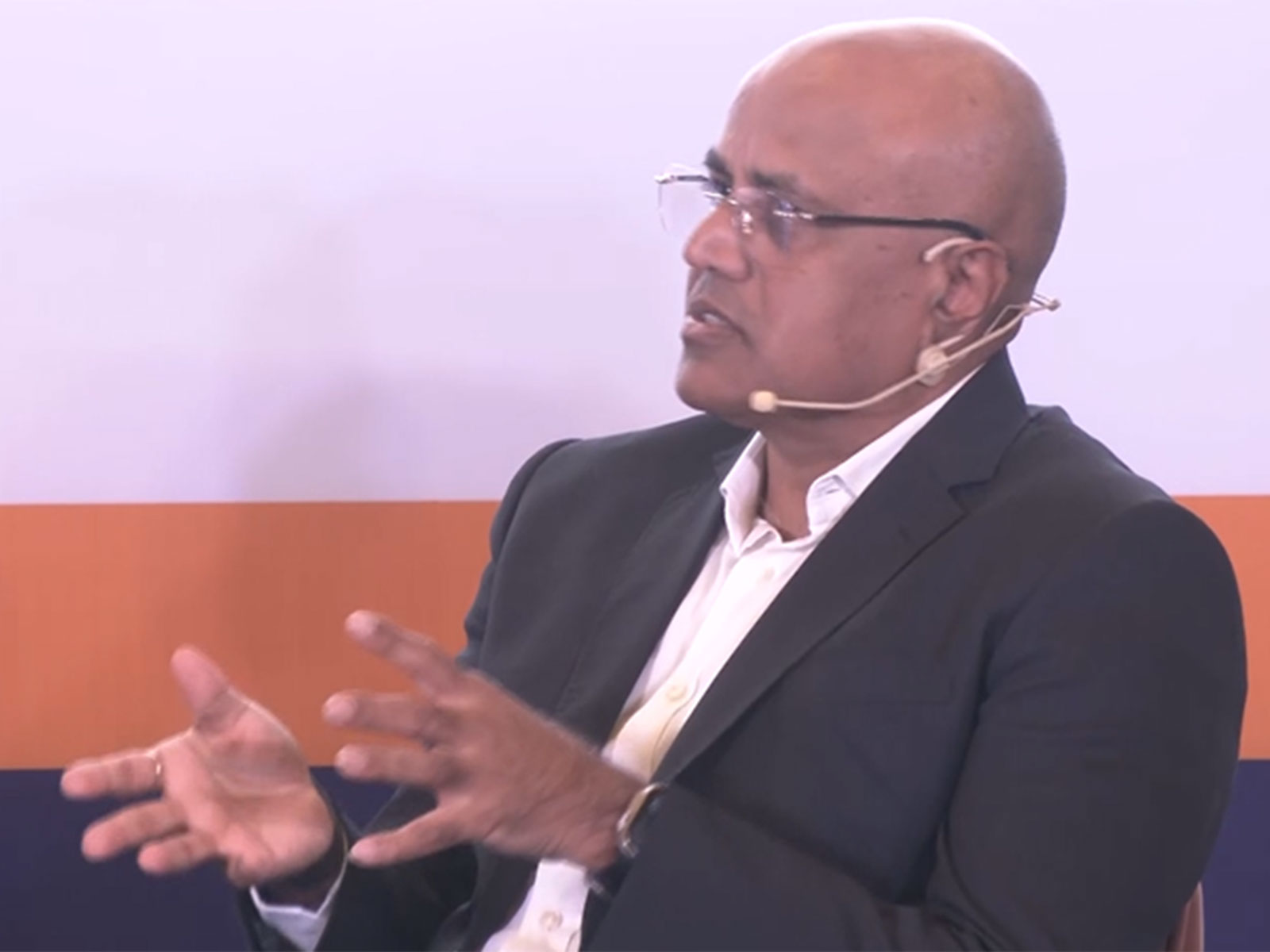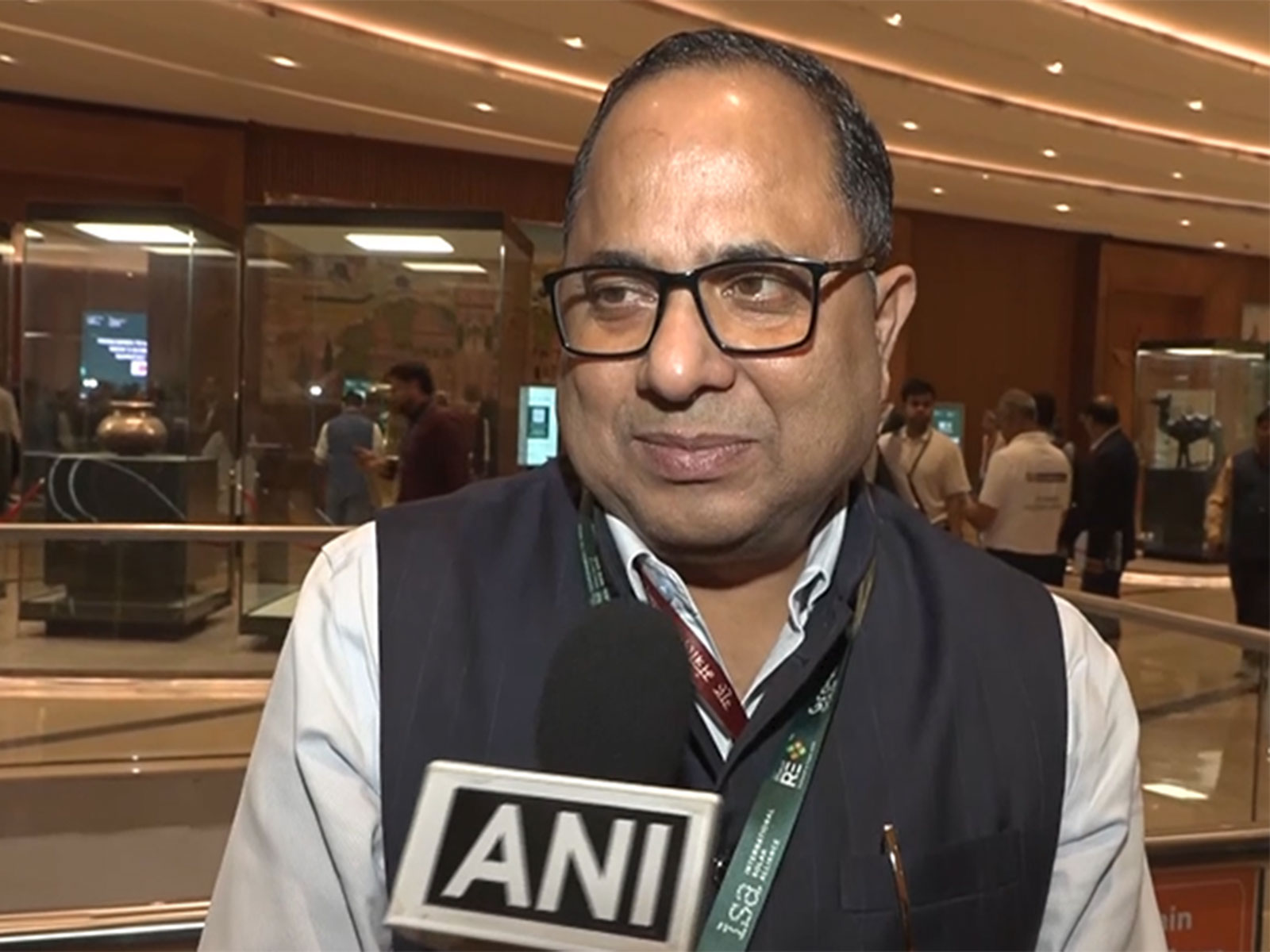
New Delhi [India], November 4 (ANI): International airlines operating from Mumbai airport have the choice to shift their operations to Navi Mumbai International Airport (NMIA) or temporarily suspend services in the Mumbai region during the redevelopment of the existing airport, Adani Airports CEO Arun Bansal said, acknowledging that airlines are generally reluctant to relocate after operating from the same airport for decades.
Speaking at Delhi Aviation India 2026, Bansal said discussions were underway with international carriers regarding the proposed transition, while Indian airlines, including IndiGo, Air India and Akasa Air, had already agreed to arrangements for shifting certain operations.
"We are talking to all the international airlines," Bansal said.
"This is their choice. As I said, there are two choices. Some of the airlines might agree to move to Navi Mumbai. Some of the airlines might decide to suspend their operations temporarily," he added.
Bansal said Indian carriers, including IndiGo, Air India and Akasa Air, collectively account for around 60–65 per cent of international traffic at Mumbai airport and have already agreed to the proposed arrangements.
Emphasising the collaborative approach adopted by the airport operator, he said, "We have worked very collaboratively and we have come to a solution which is good for both their customers, but more importantly, for the country as well."
On the redevelopment of Terminal 1 (T1) at Mumbai airport, Bansal said airlines currently operating from T1 would need to shift to Terminal 2 (T2), while some capacity at T2 would be temporarily suspended as part of the transition.
He noted that some airlines had voluntarily decided to move certain routes to Navi Mumbai, while others could choose to temporarily suspend their operations in the Mumbai region.
"Some of the airlines will come back and decide if they want to move. Otherwise, they can temporarily suspend their operations to the Mumbai region," Bansal said.
He added that airlines would be given an opportunity to resume operations, taking into account their historical operating rights, once the redevelopment was completed and enhanced capacity became available.
Acknowledging the challenges involved in relocating airline operations, Bansal said, "Airlines don't like to move from the airport," adding that such changes cause inconvenience to carriers accustomed to operating from Mumbai for 20, 30 or 40 years.
He said resistance to change was natural, but expressed confidence that airlines would eventually adapt to the transition.
Bansal further highlighted that the airport operator was accelerating the first phase of Navi Mumbai International Airport to facilitate the transition.
He said the existing Mumbai airport has an annual passenger-handling capacity of 55 million, which is expected to increase to nearly 65 million following the redevelopment of Terminal 1.
Explaining the need for redevelopment, Bansal said Terminal 1 was more than 60 years old and faced significant safety concerns, making its reconstruction necessary.
He also said the airport operator was working to enhance air traffic movements at Mumbai airport, which currently handles around 44 movements per hour, with scope for approximately 20 per cent growth.
Bansal expressed confidence that Mumbai had sufficient passenger demand to support both airports, adding that improving road connectivity and proposed metro links would strengthen access to Navi Mumbai International Airport.
He also highlighted that traditional airport operators often viewed themselves as landlords, primarily building infrastructure and leasing facilities to other service providers.
"One of the traditional problems in the airport, the way it was run, both in India and internationally, is that airport operators see themselves as a landlord," he said.
Bansal emphasised that Adani Airports was instead focusing on managing a majority of customer touchpoints to improve passenger experience and operational efficiency. (ANI)
International airlines have choice to shift to Navi Mumbai airport or suspend operations temporarily: Adani Airports CEO