Karachi [Pakistan], October 22 (ANI): Karachi’s built-up area has expanded by nearly 32 per cent between 2010 and 2025, surpassing 1,400 square kilometres, as agricultural land, grazing areas and open spaces continue to disappear under concrete development, intensifying concerns over Pakistan’s urban planning failures, as reported by The Express Tribune.
According to The Express Tribune, citing an official note from the Space and Upper Atmosphere Research Commission (SUPARCO), satellite-based analysis shows that rapid urbanisation has transformed Karachi’s surrounding landscape, increasing pressure on natural resources and essential infrastructure.
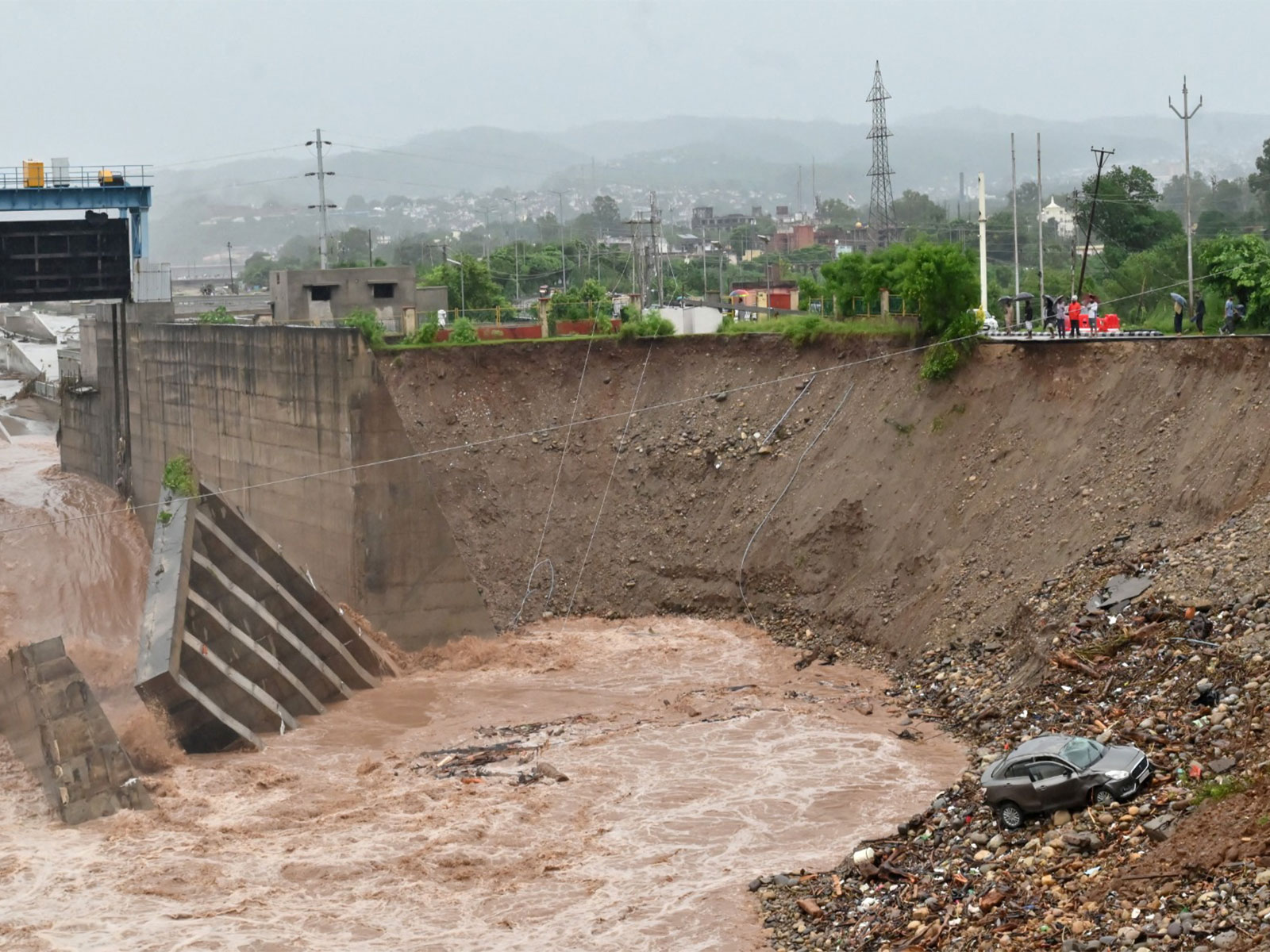
SUPARCO stated that the growing spread of buildings and paved surfaces is worsening the urban heat island effect, reducing natural water absorption and potentially increasing the risk of flooding during heavy monsoon rainfall.
The consequences could include declining labour productivity, rising healthcare costs and greater pressure on electricity, water and drainage networks.
Urban planner M Toheed, associated with the Institute of Business Administration (IBA), said Karachi had lost around 40 per cent of its green cover over the past 15 years, while its built-up footprint continued to grow. The estimate requires further verification through comparable land-cover data. Toheed stated that the expanding concrete landscape was creating serious consequences for residents.
Reduced vegetation and shade, combined with humid weather, make it harder for the human body to regulate temperature, increasing the risk of heat-related illness. The economic burden also extends to workers facing reduced productivity and households struggling with higher cooling costs.
Toheed said Karachi’s population growth had outpaced infrastructure development. He cited prolonged electricity outages in areas including North Karachi and Lyari, with interruptions reportedly reaching 18 hours on Baba Bhit Island.
Unreliable electricity and water supplies leave residents with fewer ways to cope with extreme temperatures, while disrupting businesses and daily activities, as cited by The Express Tribune.
SUPARCO also linked the loss of natural drainage capacity to greater flood vulnerability, highlighting Karachi’s devastating 2020 floods as an example of the consequences of intense rainfall and inadequate drainage, as reported by The Express Tribune. (ANI)
Karachi’s unchecked urbanisation fuels heat water, infrastructure crisis