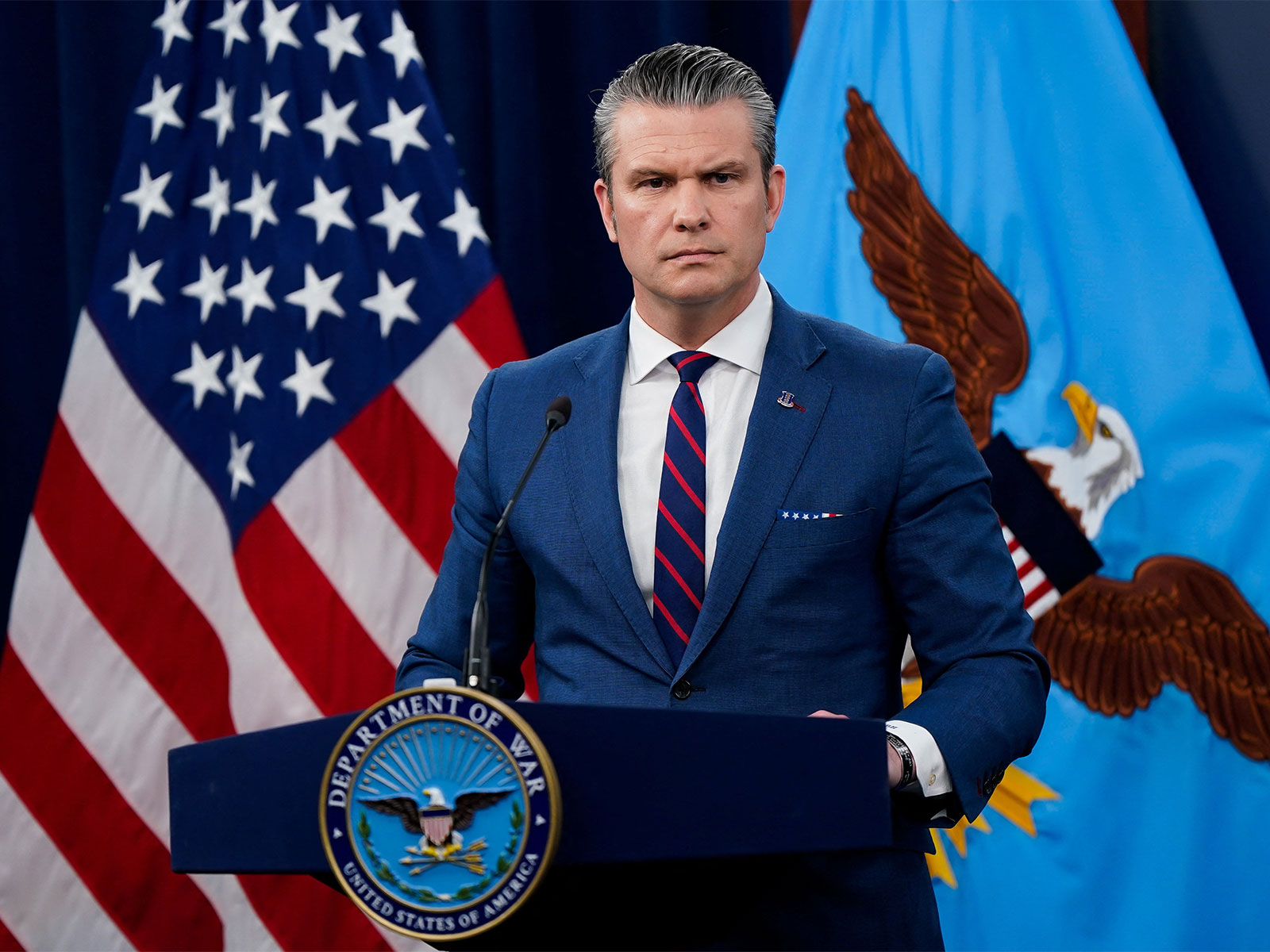
Washington DC [US], August 31 (ANI): With the US-Iran conflict continuing to stretch without an end in sight, several American military leaders have advised Secretary of War Pete Hegseth that extending the large-scale operations against Iran is unsustainable and risks weakening their ability to confront threats elsewhere, the Washington Post reported, citing people familiar with a recent assessment prepared for the Pentagon chief.
The warnings -- detailed for Hegseth by the heads of the Army, Navy and Air Force and the four-star commanders overseeing US operations throughout Europe, Asia and Latin America -- appear in the August 14 edition of the Secretary of Defense Orders Book (SDOB), these people said. They described the assessment to The Washington Post on the condition of anonymity because the document is classified.
The SDOB, which is typically produced twice monthly, outlines the worldwide availability of American warships, aircraft, personnel and weapons systems.
According to the Washington Post, it reflects the president's priorities for the force, which are carried out by the Secretary of War, and includes insights from the military's top generals and admirals that inform the directives the Pentagon issues.
As per the report, the August 14 orders book directs some troops deployed in the Middle East to remain there through September and some others into 2027, said those familiar with the document. The prospect of extending those forces further compelled military leaders to voice their concern, these people said.
Meanwhile, the leaders of the US European Command, the U.S. Pacific Command and the U.S. Southern Command, along with the Navy's top admiral, responded with what is characterised in the SDOB as a "non-concur," those familiar with the assessment said -- meaning they disagree with the secretary's order to extend their forces but will execute it nevertheless.
It was noted that the geographic combatant commands overseeing American operations in Europe, Asia and Latin America have had their ships, aircraft and other equipment pulled away to support the Iran conflict.
This has limited their ability to conduct missions and ensure proper training, those familiar with the assessment said.
While the Army and Air Force leadership concurred with Hegseth's desire to extend their deployed forces, each emphasised that doing so would come with significant risk, these people said.
The Washington Post highlighted that the military's warning to Hegseth, which has not been previously reported, offers new insight into the administration's dilemma as President Trump seeks to end the conflict on terms acceptable to the United States while also cognizant of its growing unpopularity with most Americans along with a rising toll on American arsenal.
"Decisions regarding the scope and duration of specific force commitments to any Combatant Command are made based on the current threat assessment, strategic priorities established by the President, and the advice of the Chairman of the Joint Chiefs of Staff and Combatant Commanders," Sean Parnell, a spokesman for Hegseth, said in a statement to The Post.
The Pentagon "does not discuss internal operational processes," including the Secretary of Defense Orders Book, "or specific concurrences, non-concurrences, or risk assessments provided by the Services or Combatant Commands during force allocation deliberations," he added.
According to those familiar with the assessment, Adm. Samuel Paparo, the chief of Pacific Command, disagreed with the level of support he was ordered to continually provide, including an aircraft carrier strike group and naval destroyers.
As per The Post, a spokesperson for European Command declined to comment. Spokespeople for Southern Command and Pacific Command did not respond to requests for comment.
Meanwhile, Admiral Daryl Caudle, the chief of Naval Operations, provided Hegseth with the dimmest picture, saying in the SDOB that the Navy cannot sustain its current level of support for the Iran conflict because there is no anticipated end date, those familiar with the assessment said.
A spokesperson for Caudle did not respond to a request for comment.
It was further reported, as per those familiar with the assessment, that the Army's 82nd Airborne Division, which in March mobilised 2,000 soldiers in response to the Iran war, will remain in the Middle East at least through September. Some military officials anticipate that the unit -- which would be central to any ground invasion of Iran -- will be extended beyond that time frame, these people said.
On the other hand, they said that the deployments for units operating the Army's Patriot air defence systems, which shoot down missiles and drones targeting U.S. bases, also are expected to be extended.
A spokesperson for the Army did not respond to a request for comment.
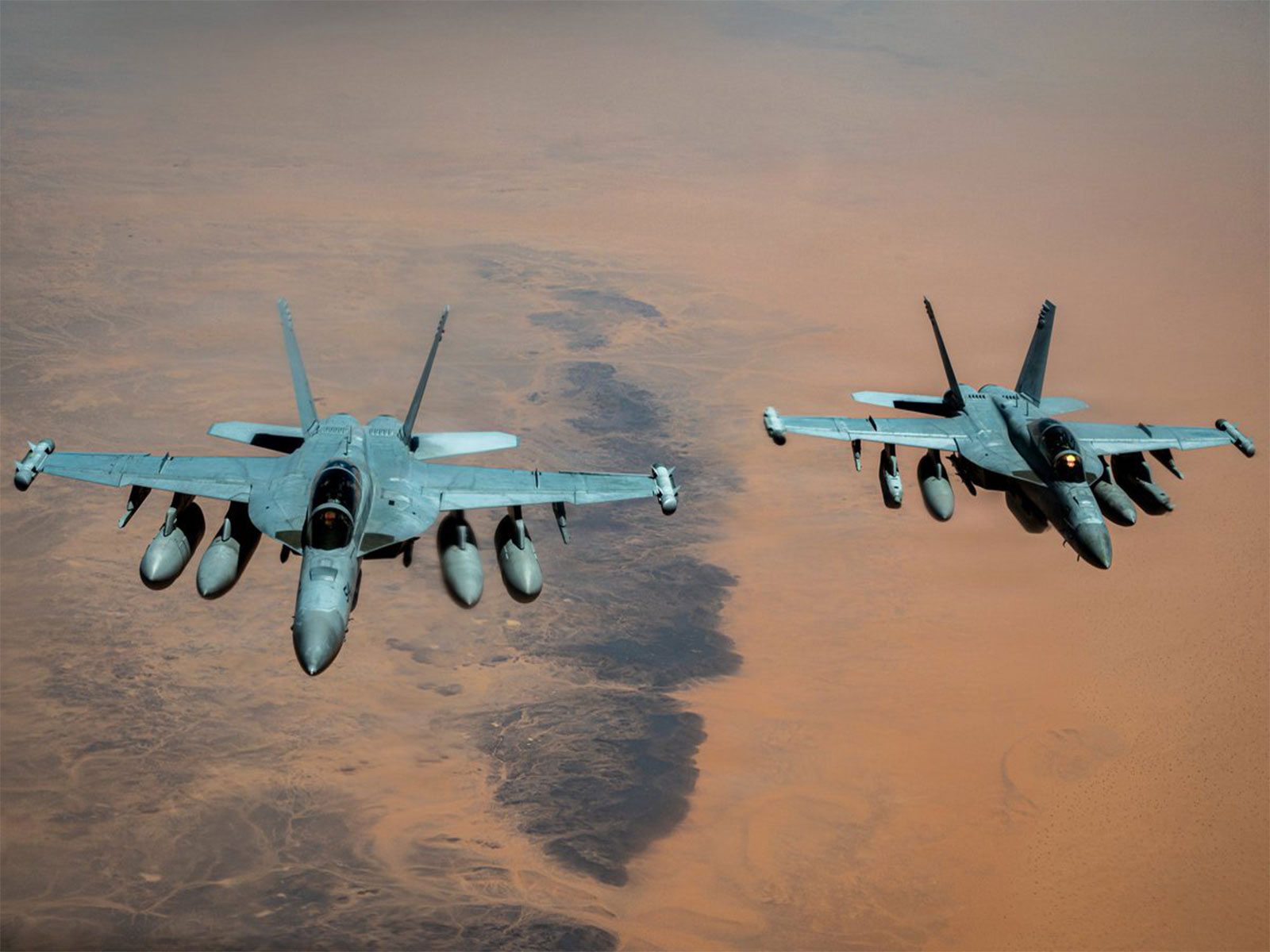
Many of the Air Force units sent to the Middle East to conduct bombing runs and other around-the-clock operations also are slated to stay in the region into 2027, two people familiar said, as per The Post.
It mentioned that the Air Force declined to comment, citing the classification of the orders book and a spokesman for Central Command declined to comment and referred questions to Hegseth's office. (ANI)
Military leaders warn Hegseth against extending Iran war: Washington Post report