Ramnagar (Uttarakhand) [India], October 8 (ANI): For IFS officer Sonali Ghosh, who has spent more than 25 years working in wildlife conservation and protected-area management, the forest has never been just a place of majestic animals and picturesque landscapes.
From beginning her wildlife career at Corbett in 1996 to serving in Kaziranga and now as Field Director of Manas Tiger Reserve, Ghosh has spent decades witnessing the risks that come with protecting wildlife on the ground.
Speaking at the Corbett Literature Festival after her session titled ‘Kabhi Main Cycle Ke Upar Kabhi Cycle Mere Upar: Stories from the Forest Frontline’, Ghosh reflected on the lesser-seen realities of a forest officer's life, recalling challenging encounters with wildlife, Kaziranga's annual floods and the responsibility of protecting both animals and people.
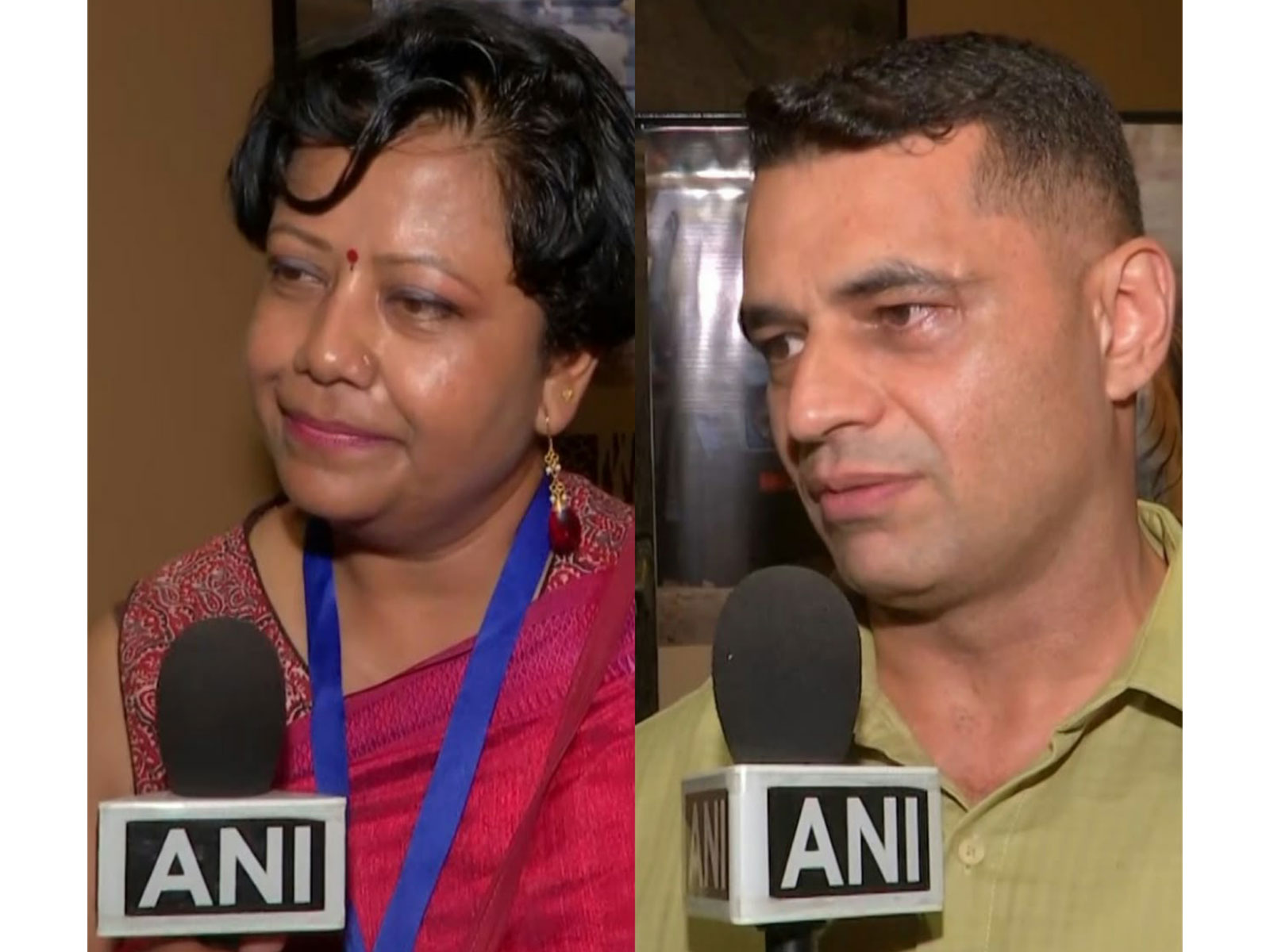
“People think that we have a great job, but honestly, no,” Ghosh told ANI, who currently serves as Council Head, Forest Department, Bodoland Territorial Council, and Field Director, Manas Tiger Reserve
“When people go on holidays and visit tiger reserves, we are the ones who cannot take a holiday. We are the ones who have to be there and ensure that everything is smooth,” she added.
Ghosh said the nature of the job becomes particularly challenging because forest officials are dealing with animals that cannot communicate their pain or discomfort.
“One must understand that we are dealing with animals who are voiceless,” she said, explaining that officials can understand an animal's pain, discomfort or reasons behind conflict only by observing it closely, something that can itself put them in danger.
Drawing from her experience in Kaziranga, where she previously served as Field Director, Ghosh recalled how frontline staff undertook foot patrols to protect rhinos and elephants, sometimes suffering injuries during unexpected encounters.
She also recounted the challenge posed by Kaziranga's annual floods, when animals are forced to move out of the protected area and forest officials have to simultaneously ensure the safety of wildlife, people and infrastructure.
“Because of our vigilance and because of our coordination, we had only one accidental road death of a hog deer and all the animals were safe,” she said, recalling the July 24 floods, which she described as one of the highest flood situations she had experienced.
For Ghosh, technology has certainly transformed wildlife protection, from the earlier pugmark method of counting tigers to camera traps and modern surveillance systems, but it cannot replace people working on the ground.
“I think there is no substitute to the forest frontline,” she said, describing the forest staff who work day and night as the “unsung heroes” of conservation.
She also called for greater formal recognition of frontline forest workers, comparing their role with the contribution of personnel who work to protect the country's borders.
Ghosh particularly highlighted traditional elephant handlers, saying their specialised knowledge and difficult work need greater acknowledgement.
Adding to the conversation, Dr Dushyant Sharma, Senior Wildlife Veterinary Officer at Corbett Tiger Reserve in Ramnagar, who is known for his work in wildlife rescue operations, spoke about the unpredictable nature of tiger behaviour, Sharma said there can be no fixed formula while dealing with a wild animal.
"Every tiger is different. It will react differently. So we cannot make a thumb rule that if we approach a tiger, it will react in this way or that way,” he said.
Sharma serves at the Dhela Rescue Centre and has extensive experience in immobilising, darting and translocating large carnivores, including tigers. He has been recognised for rescuing and rehabilitating more than 200 wild animals.
But according to Sharma, dealing with the animal is only one part of the challenge. Human behaviour and crowd management can become equally difficult during rescue operations.
“When a tiger strays into the human-dominated area, people are eager to take selfies and all that, which puts their life at risk,” he said.
“Our main priority is to save the people and save the tiger as well,” Sharma added.
He then recalled one of the most frightening incidents from his years of rescue work.
After a casualty in Dhela, Dr Sharma and his team were called to rescue a tiger. The team set up a camouflage arrangement to locate and capture the animal, but the situation quickly turned dangerous when people at the site allegedly set fire to the setup where Sharma was positioned.
“It was really very scary to escape because outside there is a man-eater tiger. I cannot escape. So then I called my team to come over there and rescue me,” Dr Sharma recalled.
His team first rescued him and returned the following day to locate the tiger. However, they again faced resistance when some people began pelting stones at the rescue team, forcing them to seek police protection.
The team eventually succeeded in rescuing the tiger that night.
For Dr Sharma, the incident also highlighted the complex relationship between wildlife rescuers and local communities. While some communities can become aggressive during emotionally charged incidents, others extend considerable support to forest personnel.
He recalled another incident in Pauri following a death in December, when an entire village was angry, but the victim's family, including retired Army personnel, offered accommodation to the rescue team and supported them throughout the operation.
Ghosh and Sharma's accounts give a glimpse of the wildlife and the risks involved while staying and working close to them. (ANI)
“No substitute to the forest frontline”: Wildlife officers share rescue, conservation stories at Corbett Literature Festival