New Delhi [India], September 25 (ANI): Indian rice shipments faces rejection in overseas markets due to pesticide residues exceeding permitted limits, contamination, differences in product specifications and testing protocols, as well as documentation and certification gaps, highlighting the need for stronger compliance across the export supply chain, according to the Indian Rice Exporters Federation (IREF).
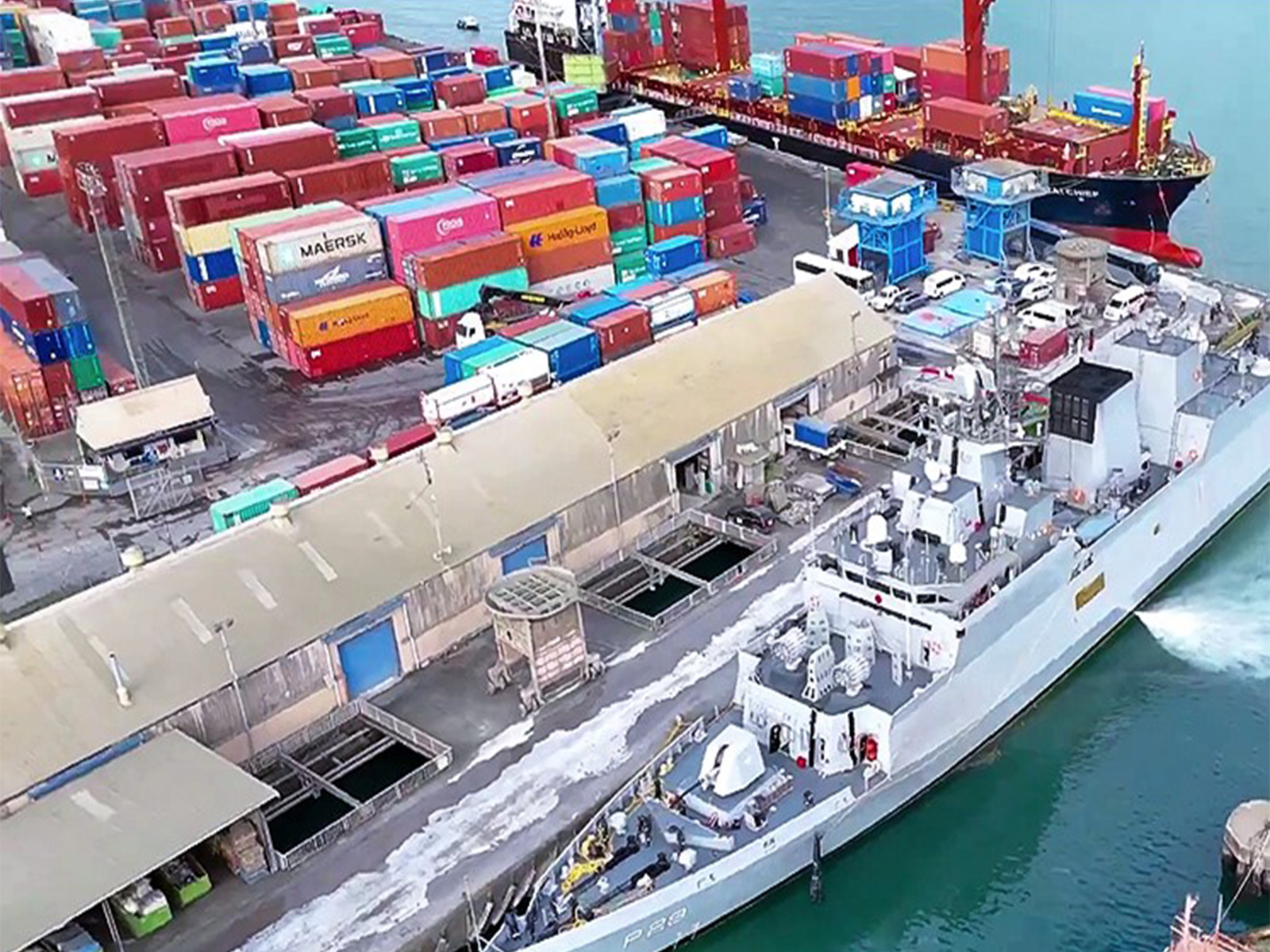
The issue assumes significance as India remains the world's largest rice exporter, with the country exporting 20.19 million metric tonnes of rice valued at USD 12.47 billion in 2024-25, according to APEDA data cited by IREF.
According to the federation, problems leading to rejection can originate at different stages of the supply chain. Pesticide-residue issues may begin with agricultural practices at the farm level, while quality deviations can arise during procurement, storage or milling. Differences between exporters and buyers over specifications, sampling procedures and testing standards can also result in shipments failing to meet destination-market requirements.
Destination markets also follow different regulatory standards, making market-specific compliance critical for exporters. The European Union, for instance, requires imported food to comply with applicable pesticide maximum residue limits (MRLs), with consignments failing to meet the prescribed requirements liable to rejection at the border.
Dev Garg, National Vice President of the Indian Rice Exporters Federation, said compliance needs to be treated as an integral part of export competitiveness rather than merely a documentation exercise at the final stage of shipment.
“For Indian rice exporters, market access does not end when a shipment leaves the port. It ends when that shipment meets the buyer’s requirements in the destination market. The objective of this session is to examine the entire chain, from farm and procurement to milling, testing, certification and shipment, and identify where preventable risks can be addressed before they become commercial losses,” Garg said.
A rejected shipment can impose costs beyond the value of the rice itself, including additional testing, port detention, storage and demurrage charges, re-shipment or return of cargo, price adjustments and disruption to relationships with buyers.
Highlighting the need to identify recurring causes of rejection, Garg said, “We are not looking at rejection simply as a number. We want to understand why shipments are rejected, where the risks are emerging and what exporters can do differently before the next shipment.”
“If the industry can identify recurring patterns and strengthen controls upstream, compliance can become a competitive advantage rather than simply a cost of doing business,” he added.
The issue will be taken up at the Bharat International Rice Conference (BIRC) 2026, where IREF will hold a dedicated knowledge session titled “Why Buyers Reject Rice Shipments: Quality, Certification and Compliance.” The conference will be held from October 23 to 25 at Bharat Mandapam in New Delhi.
The session will examine pesticide residues and MRLs, sampling and laboratory testing, quality specifications, certification and documentation, traceability and pre-shipment controls, with a focus on identifying risks before consignments reach destination borders.
The discussions are expected to culminate in the “BIRC 2026 Rice Export Compliance Alert,” which will highlight markets where rejection risks are being observed, major reasons for rejection, emerging compliance risks, estimated commercial implications and practical measures exporters can take to reduce avoidable quality and compliance failures. (ANI)
Pesticide residues, quality gaps drive Indian rice shipment rejections; stronger pre-shipment checks can curb risks: IREF