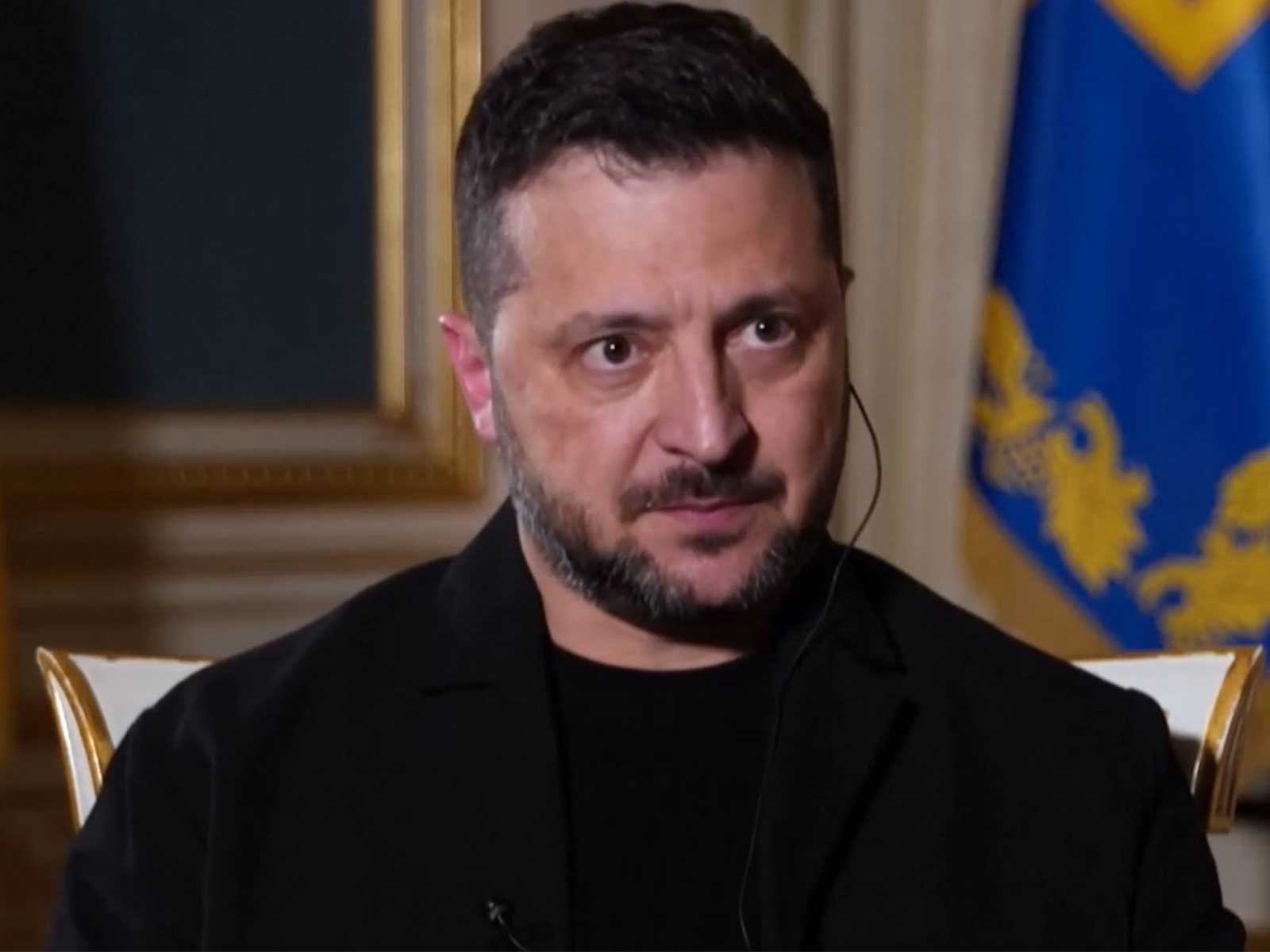
Kyiv [Ukraine], October 4 (ANI): Ukrainian President Volodymyr Zelenskyy has declared that Ukraine will intensify attacks on Russian oil refineries as a countermeasure against Moscow's newly adopted policy of airstrikes intended to coerce residents into abandoning Kyiv and other urban centres, while maintaining that civilian objects will not be targeted.
In an interview with Reuters, Zelenskyy stated that Ukrainian intelligence services obtained documentation indicating that Russian leader Vladimir Putin instituted a "new doctrine" focused on extensive military attacks across a much broader range of civilian targets ahead of the winter season.
"We saw documents, and we know that they allow them to attack infrastructure, logistics, and especially to attack in the cities, in the villages, everywhere, roads, schools, hospitals," Zelenskyy told Reuters in the interview. "To pressure people to leave the capital, leave different cities: this is the goal of the operation."
According to the Ukrainian leader, this shift in strategy stems from Putin's desire to project strength at a time when his military was losing ground in a key frontline region and sustaining higher levels of casualties.
Conversely, in a statement urging foreign nationals to leave Kyiv, the Russian Foreign Ministry asserted that Moscow would continue to systematically hit targets in what it described as retaliatory strikes for Ukrainian attacks on Russia in recent months. Both sides deny deliberately targeting civilians.
Zelenskyy noted that a successful Ukrainian counteroffensive, code-named "Vivaldi", has recaptured around 140 square kilometres (54 square miles) of Ukraine's eastern Donbas region and remains ongoing. Russia has maintained that it must control Donbas in its entirety as a condition for any peace deal.
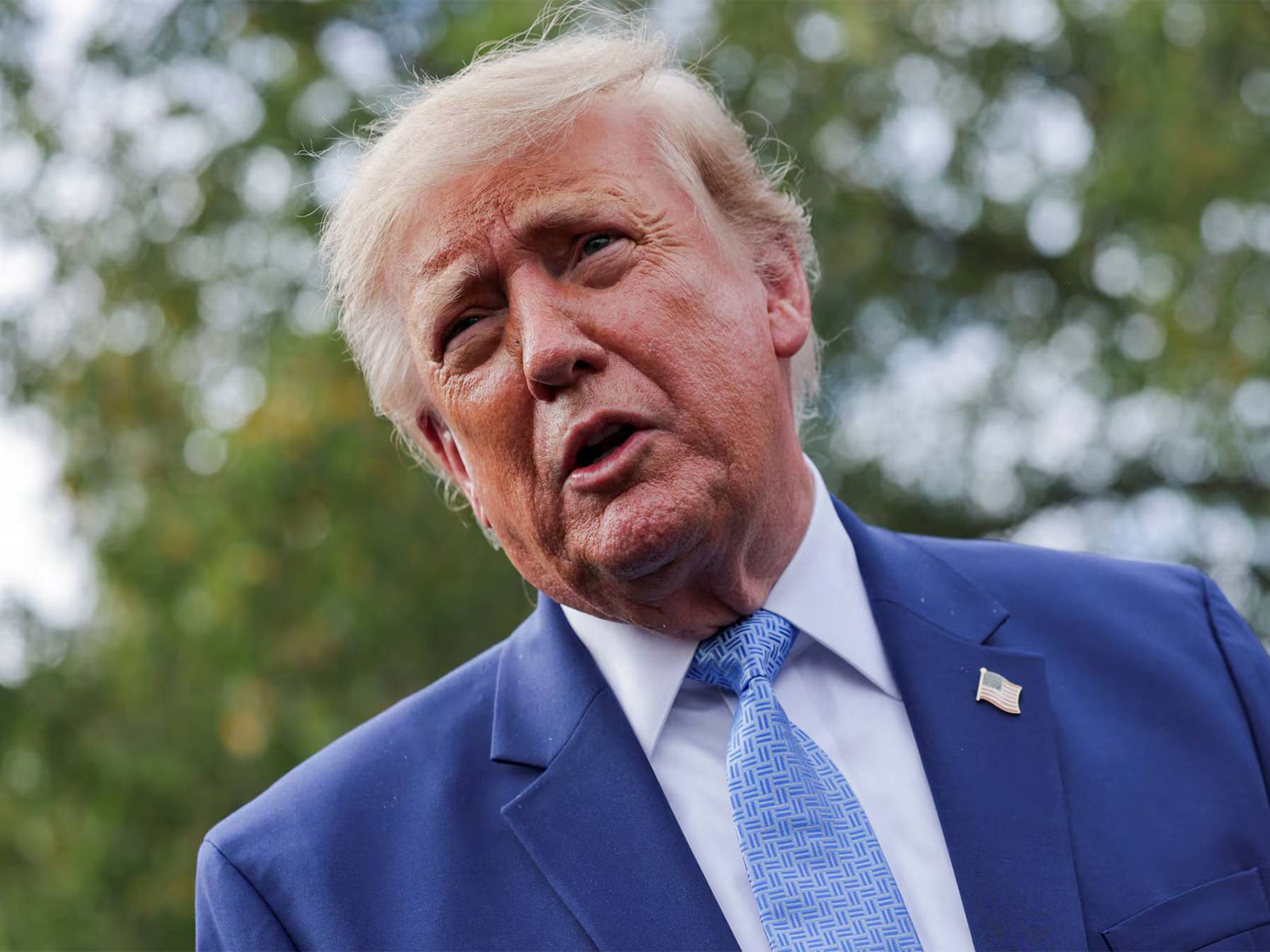
Amid recent weeks wherein US President Donald Trump's administration has sought to revive talks to end the four-year-old war, noted as Europe's bloodiest since World War Two, the US leader last month urged Ukraine to refrain from hitting Russian oil installations, stating that it was sending global diesel prices surging.
However, speaking as air raid sirens blared outside the gilded halls of the presidential offices, Zelenskyy stated that he had received no indications from Russia that Putin was interested in peace talks or discussing a ceasefire on energy infrastructure.
Over the past week, the Ukrainian capital has come under persistent attack by Russian drones and missiles targeting energy and telecoms assets, along with road and rail infrastructure. For the first time, Russia has targeted the bridges across the Dnipro River connecting east and west Kyiv.
Outlining Kyiv's response, Zelenskyy emphasised that Ukraine would react to the change in tactics by Moscow without targeting civilian infrastructure indiscriminately.
"We have to respond in any way (we can). With their attacks on our energy, we have to respond on their energy. First of all, oil refiners, etc.: what gives money to them for this war," Zelenskyy said in English.
"But we will not respond, of course, just like them, to any civilian objects."
Following the Trump administration's invitation for Putin to attend a G20 summit in Miami in December and discussions involving business deals with Russian envoys, Zelenskyy urged Washington not to normalise relations with Russia before ensuring a return to peace.
While expressing that he would be happy to meet Putin for peace talks at the G20, he warned the US against believing in "illusions" that Russia would simply end hostilities if it gained control of Donbas.
"It's not fair just to normalise," Zelenskyy stated, wearing his trademark black T-shirt and military-style jacket, adding that any resumption of economic and diplomatic ties with the West had to be in return for Russia ending hostilities because "peace is more important than any kind of economy."
Although the US has proposed a resumption of trilateral talks in the coming weeks in the United Arab Emirates, Zelenskyy noted that an exact date and location for the technical-level conversations had still not been set.
Ukrainian officials have warned that Russia has stockpiled hundreds of ballistic missiles ahead of an expected winter onslaught against electricity and water infrastructure, echoing the previous winter's conditions which left swathes of the country without electricity and heating for days at a time.
Furthermore, since the summer, Moscow has launched dozens of fast and relatively cheap jet-powered Shahed drones daily at Ukraine, whose air defence teams have struggled because interceptor drones were too slow to catch them.
Zelenskyy stated that Ukraine had been forced to rely heavily on fighter aircraft, including F-16s and MiGs, to down approximately 60 per cent of the Russian jet-powered drones, though supplies of 20 mm ammunition for the planes were running low.
Kyiv has been urgently working on alternative solutions, such as boosting electronic jamming capabilities, and anticipates receiving its first shipment of small, cheap air defence missiles capable of hitting the new Shaheds in the second half of October.
Additionally, following a meeting with defence chiefs, Zelenskyy noted that Ukraine is developing five models of new interceptor drones capable of downing the jet Shaheds, with tests on two models showing a modest success rate of around 30 per cent.
"We'll have to scale it," he said. "I hope that with all these things, with all these elements, we'll find a way."
Ukraine announced the first combat use this week of its domestically made ballistic missile, the FP-7, which has a range of approximately 250 kilometres (155 miles).
Zelenskyy mentioned that he called the manufacturer Fire Point to pressure executives to finish a longer-range model, the FP-9, which the company has claimed could hit Moscow.
"I said to them, where is my FP-9?" Zelenskyy said with a grin. "We need the FP-9. And the FP-9 will be (ready) this autumn, I'm sure."
Zelenskyy indicated that a recent spate of Russian drone incursions and hybrid attacks in Europe were efforts to intimidate European populations and undermine support for Ukraine, noting that some European leaders were starting to understand this and toughen their position.
Russia maintains that such accusations are baseless and the result of anti-Russian hysteria.
Following talks with European officials in Brussels this week, Ukraine unlocked funding to order the drones required to sustain fighting at the start of 2027.
Ukrainian officials worked on plans with European partners to plug a USD 27 billion deficit in Kyiv's defence budget this year, involving a combination of reallocated domestic budget resources, bilateral assistance, and money credits drawn from next year's portion of a 90 billion euro European Union loan.
"We will close this (gap). I think this is absolutely a big success for our country," he said. (ANI)
Russia’s "new doctrine" targets civilian sites in Ukraine, says Zelenskyy