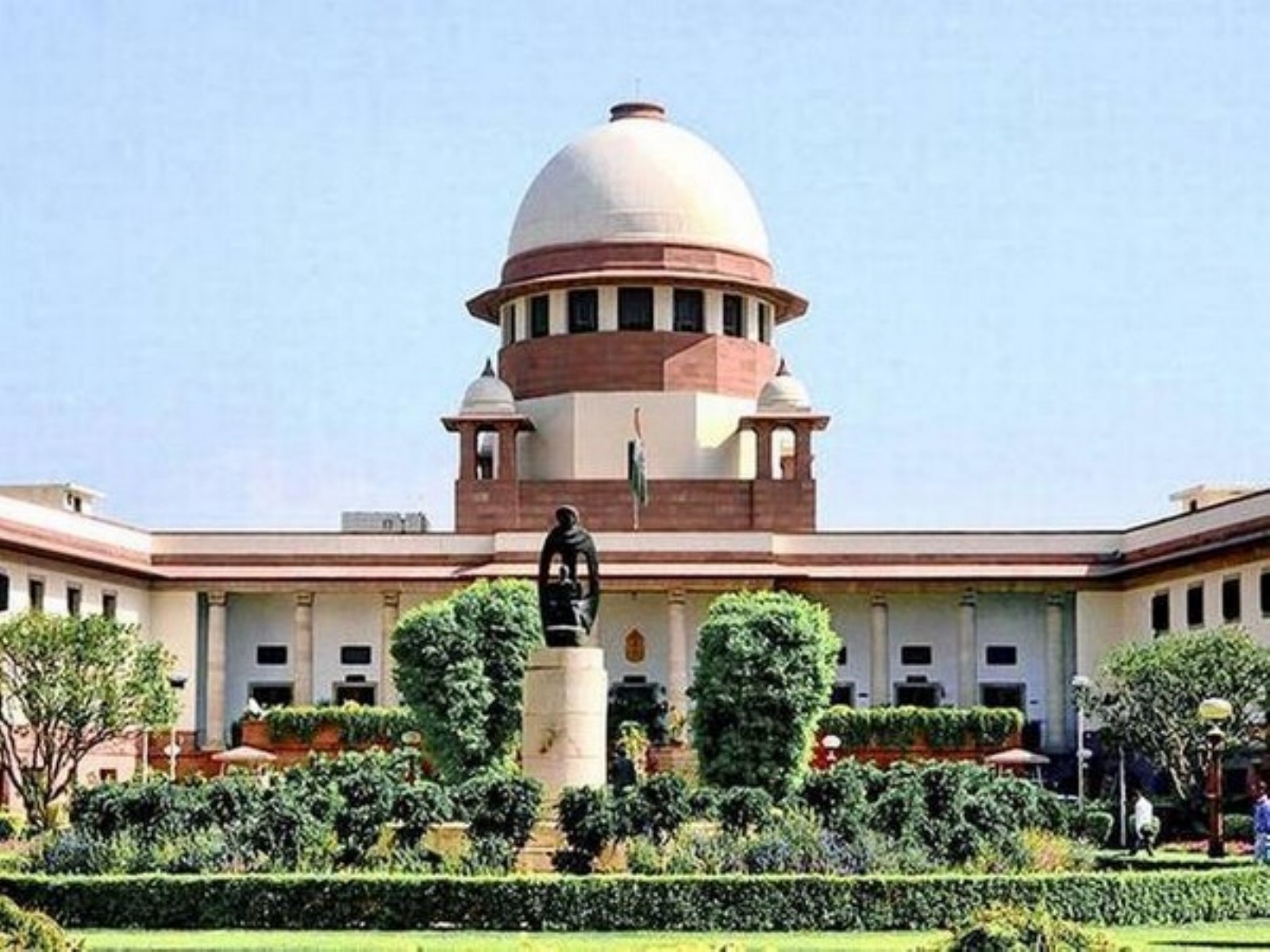
New Delhi [India], September 1 (ANI): The Supreme Court on Tuesday brought an end to criminal proceedings arising from the Cockroach Janata Party (CJP)-led protests over alleged examination paper leaks by quashing FIRs registered in five States and directing that similar cases elsewhere should not be pursued.
A bench of Chief Justice of India Surya Kant and Justices Joymalya Bagchi and V Mohana exercised its extraordinary powers under Article 142 of the Constitution to bring closure to the cases, citing the future prospects of the young protesters.
"Keeping in view the future prospectus of the young protesters, we invoke our powers under Article 142 of the Constitution to do complete justice," the bench observed.
The apex court quashed FIRs registered in Delhi, Bihar, Maharashtra, West Bengal and Assam in connection with the protests held between July 20 and 25, 2026.
It further directed that cases arising from the same protests in other States and Union Territories would not be pursued or investigated and would be treated as closed.
The top court also made it clear that no fresh FIR would be registered in relation to the protests held during the July 20-25 period.
The Solicitor General urged the apex court to extend the benefit of the proposed closure to FIRs registered in States other than Delhi, Bihar, Maharashtra, West Bengal and Assam.
The order came during the hearing of a batch of petitions concerning the protests, including allegations of excessive use of force by police against demonstrators in Delhi and Bihar.
The Centre had moved an application seeking the quashing of 13 FIRs registered by the Delhi Police between July 20 and 25. However, it had sought to preserve criminal proceedings against 2,873 persons whom it described as having "serious criminal antecedents" based on National Crime Records Bureau data.
The Union government had proposed that prosecution against these individuals be confined to allegations involving bodily harm or damage to property, through a single fresh FIR. The bench granted Delhi Police liberty to register such a case.
Solicitor General Tushar Mehta told the bench that the government had assured the CJP leadership that the FIRs arising from the July 20-25 protests would not be pursued by police in Delhi or other States.
He also informed the top court that the "Centre remained committed to other assurances", including providing compensation to the families of students who died by suicide in connection with academic concerns, including issues surrounding the NEET examination.
Mehta said that around three months would be required to formulate the modalities for the compensation scheme; to this, the bench directed that the policy be framed in consultation with the State governments.
The issue of the proposed September 5 protest march in Delhi also came up during the hearing. Mehta submitted that the CJP leadership had announced the march because of apprehensions that the government's assurances might not be implemented.
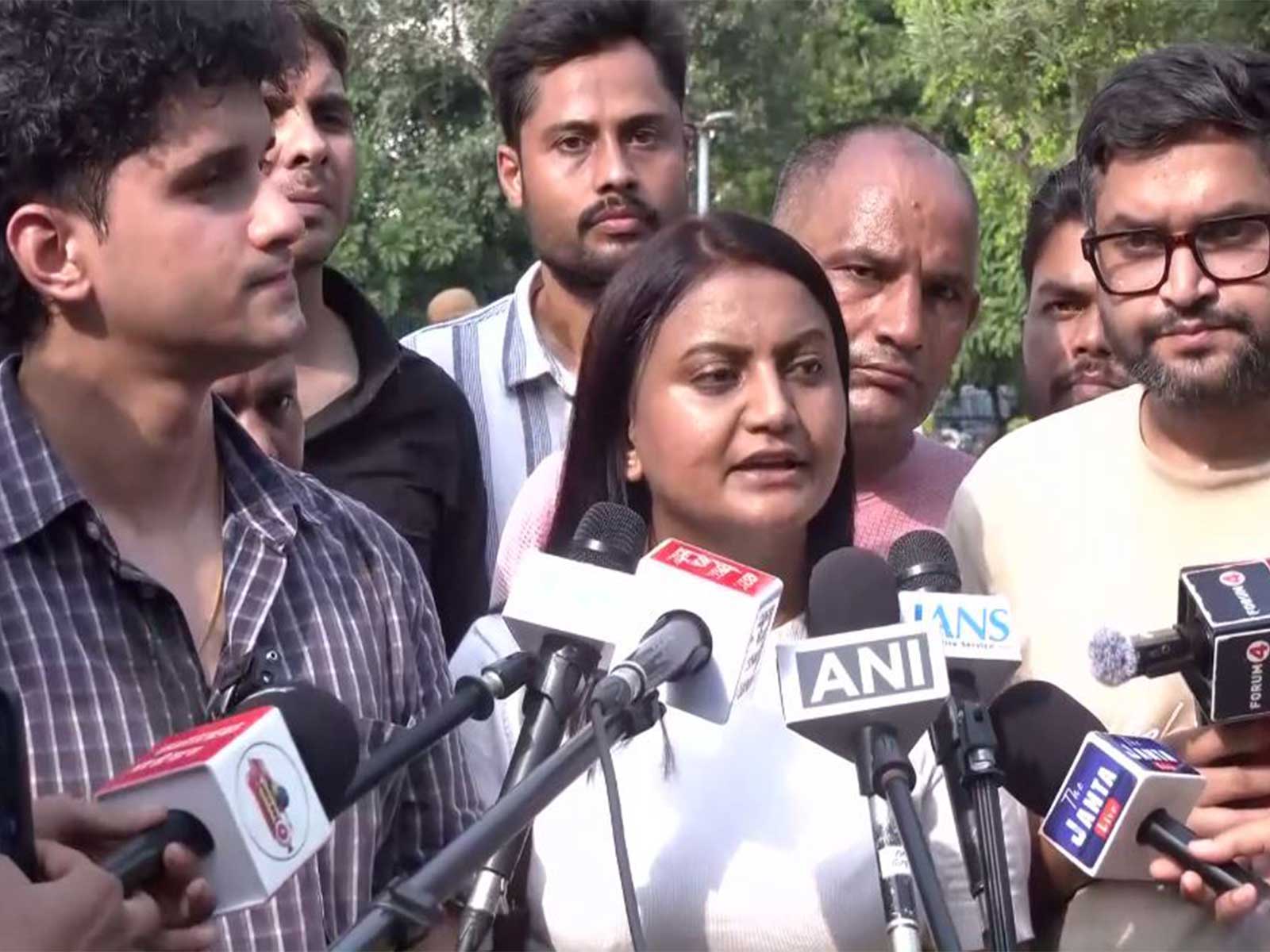
CJP co-convener Saurav Das, who was present in the court, announced that the organisation would withdraw the proposed march.
Das read a statement and told the bench that the decision had been taken in view of the government's assurances and the judicial sanctity attached to them through the court's order.
CJI appreciated the CJP's decision, observing that disputes could be resolved if both sides acted in good faith.
"If both sides show good faith, then all issues can be resolved one by one. There is nothing in the world which is too complicated that it cannot be discussed with an open mind," the Chief Justice said.
The bench directed the Centre, the concerned State governments and the CJP to abide by the order passed on Tuesday. (ANI)
SC closes CJP protest FIRs across States, September 5 march withdrawn