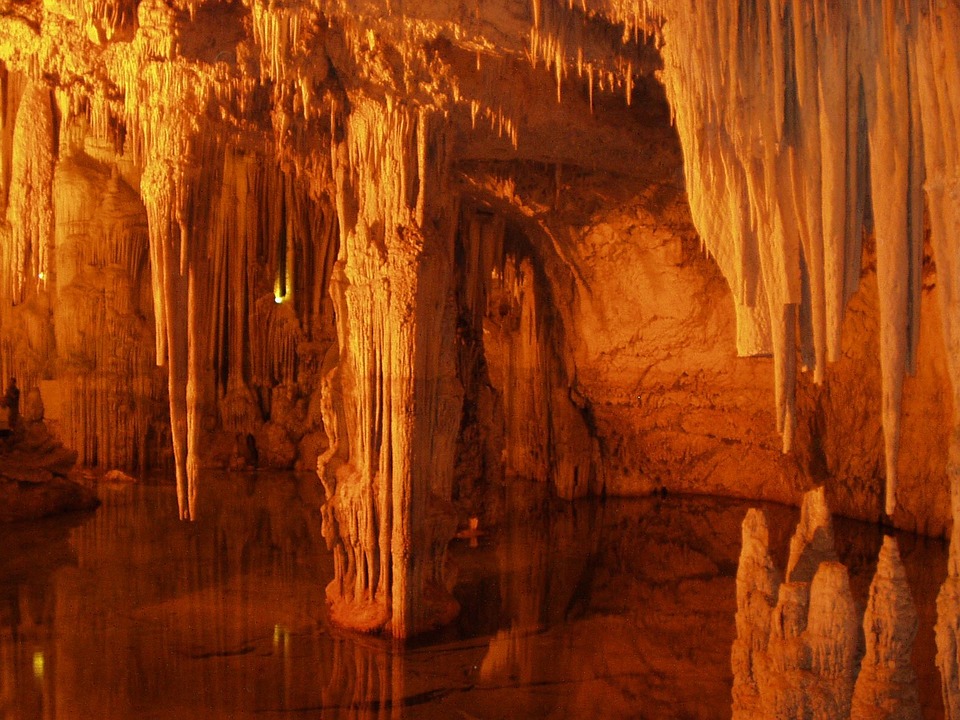
New Delhi [India], Mar 25 (ANI): Stalagmites can help scientists predict droughts and floods in India, a recent study suggests.
To unlock some secrets about climate change, a team of researchers went to an unusual cave in India.
By studying the last 50 years of growth of a stalagmite from Mawmluh Cave in the northeastern Indian state of Meghalaya, an area that experiences so much summer monsoon rainfall that it is called the rainiest place on Earth, they found an unexpected connection between winter (dry season) rainfall amounts in northeast India and climatic conditions in the Pacific Ocean.
Winter rainfall following weak monsoon years in India can alleviate water stress for farmers. This distant link between land and ocean records could aid in predicting dry season rainfall amounts in northeast India.
Each year, monsoon rains between June and September provide water for roughly 1.5 billion people in India. Changes in monsoon strength and the timing of its onset or withdrawal can trigger either drought or flooding, with devastating consequences, highlighting the need for effective ways to predict and prepare for rainfall variations.
Stalagmites from Mawmluh Cave and the surrounding region indicate the recurrence of intense, multiyear droughts in India over the last several thousand years. In fact, stalagmite records from monsoon regions, including India, are vital to understanding past variability in the global climate system and the underlying reasons for this variability. Scientists typically look to those records to reflect changes in the amount of monsoon rainfall and changes in monsoonal circulation in the atmosphere. The potential influence of rainfall during winter is often overlooked.
"Counterintuitively, air and water circulation in caves can cause, and even favor, stalagmite growth in the dry season, leading to unexpected effects in paleoclimate records," said Elli Ronay, one of the lead researchers.
In a recent paper published in the journal Scientific Reports, Ronay, Jessica Oster, lead author of the study, detail their sub-seasonally resolved reconstruction of trace element compositions from the Mawmluh Cave stalagmite, providing information about local changes in hydrology. Comparisons of cave records and nearby rainfall data show that variations in dry season rainfall rather than the monsoon rains govern variations in trace element concentrations in the stalagmite and how the amount of variation changes from year to year.
These new results advocate for caution when interpreting stalagmite records from regions characterized by strong seasonality like the monsoon. They also suggest that potentially powerful information about annual rainfall variability in northeast India has gone unnoticed in stalagmite records thus far. (ANI)
Stalagmite holds key to predicting droughts, floods in India: study