New York [US], September 22 (ANI): The world's diplomatic spotlight turns to New York on Tuesday as presidents, prime ministers and senior representatives from across the globe gather at United Nations Headquarters for the high-level week of the 81st session of the UN General Assembly, with wars, climate change, development, emerging technologies and the future of multilateralism set to dominate the agenda.
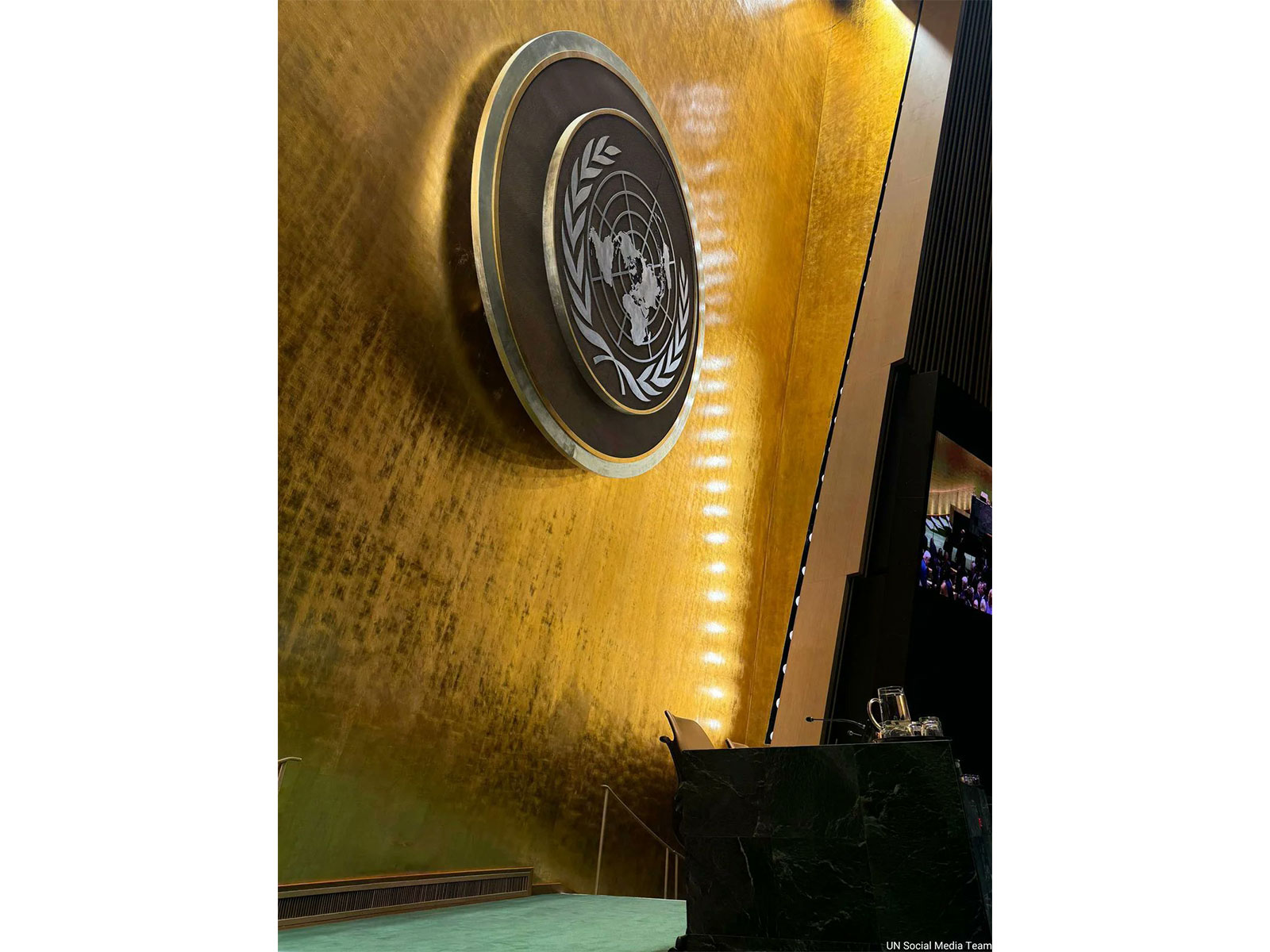
The General Debate begins on Tuesday (local time) and will run through September 26 before resuming on September 28, bringing leaders of the UN's 193 member states to the iconic green marble podium to outline their countries' priorities. The UN says nearly 130 heads of state and government are expected to attend the High-Level Week.
This year's gathering comes against a backdrop of widening geopolitical divisions and pressure on the multilateral system.
Presiding over the 81st session is UN General Assembly President Khalilur Rahman of Bangladesh, with the theme "Restoring trust, managing transformation: A United Nations that delivers for all."
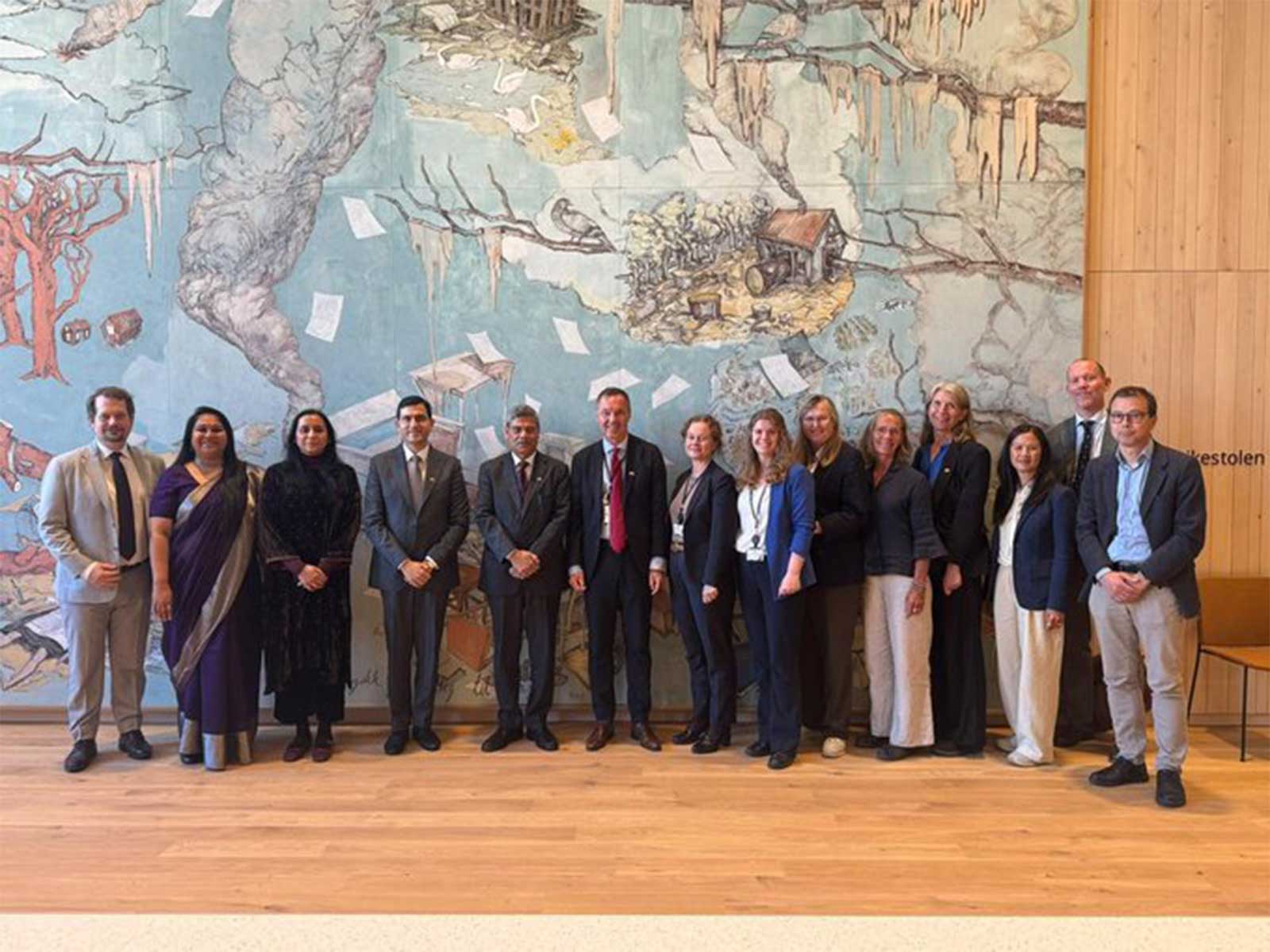
For India, External Affairs Minister S Jaishankar is leading the Indian delegation and will represent New Delhi during the General Assembly's high-level proceedings.
His engagements in New York have already included a series of meetings with foreign counterparts, including discussions on regional conflicts, economic partnerships and multilateral cooperation.
US President Donald Trump is also set to address the Assembly on Tuesday, bringing Washington's positions to the centre of the opening day.
His UNGA schedule comes amid a packed round of bilateral meetings with world leaders, including discussions on the conflicts in Ukraine and the Middle East.
French President Emmanuel Macron is another major voice at the General Debate. Macron has already held talks with Trump in New York, with the two discussing Ukraine as well as energy markets and security in the region.
While the General Debate provides the most visible stage, the UN says much of the diplomacy of High-Level Week takes place away from the chamber, through bilateral and multilateral meetings that allow leaders to engage allies, partners and rivals in a single location.
For several days, New York effectively becomes a diplomatic crossroads, with discussions ranging from conflicts and international security to trade, energy, development and emerging technologies.
The UN has identified a broad set of issues for the week, including progress towards the Sustainable Development Goals, climate action, pandemic preparedness, sea-level rise, racism and nuclear disarmament.
The focus on development comes as countries approach the final stretch towards the 2030 deadline for the Sustainable Development Goals.
The annual SDG Moment, held on September 18, focused on accelerating progress on the 17 goals adopted in 2015, covering areas from poverty and hunger to education, clean water and energy. The UN has placed particular emphasis on practical solutions that can be expanded and replicated.
Climate change will take centre stage on September 23, when UN Secretary-General António Guterres convenes a high-level event on climate action and the just transition.
The discussions are expected to focus on accelerating the renewable-energy transition, strengthening climate finance and supporting communities already facing the consequences of a warming planet.
A separate high-level meeting on September 24 will focus on sea-level rise, an issue of particular concern for small island developing states and low-lying coastal communities.
On September 25, world leaders will turn to another global vulnerability: preparedness for the next pandemic.
The UN's high-level meeting on pandemic prevention, preparedness and response will examine how countries can strengthen health systems, improve readiness and build a more equitable international response to future public-health emergencies.
The agenda will then move to issues of racial justice and equality, with a September 28 meeting marking the 25th anniversary of the Durban Declaration and Programme of Action. The high-level week will conclude on September 29 with a meeting focused on the total elimination of nuclear weapons, which the UN identifies as its highest disarmament priority.
Underlying the week's crowded agenda is a larger question: how effectively can countries cooperate when geopolitical competition is intensifying and global crises increasingly overlap?
The UN has framed this year's gathering around restoring trust and managing transformation. Secretary-General António Guterres, whose second and final term ends on December 31, 2026, has also invoked the opening words of the UN Charter as a reminder of the organisation's founding purpose: "We the peoples."
As leaders take turns at the podium this week, the speeches will offer competing visions of a world facing war, economic uncertainty, climate pressure and technological disruption. But the real test of the gathering may lie beyond the speeches — in whether those differences can translate into cooperation on problems that increasingly cross borders.
For New York, it is the busiest diplomatic week of the year. For the UN, it is another opportunity to demonstrate whether multilateralism can still deliver in an increasingly fragmented world. (ANI)
UNGA 81: World leaders converge in New York as wars, climate and AI put multilateralism to the test