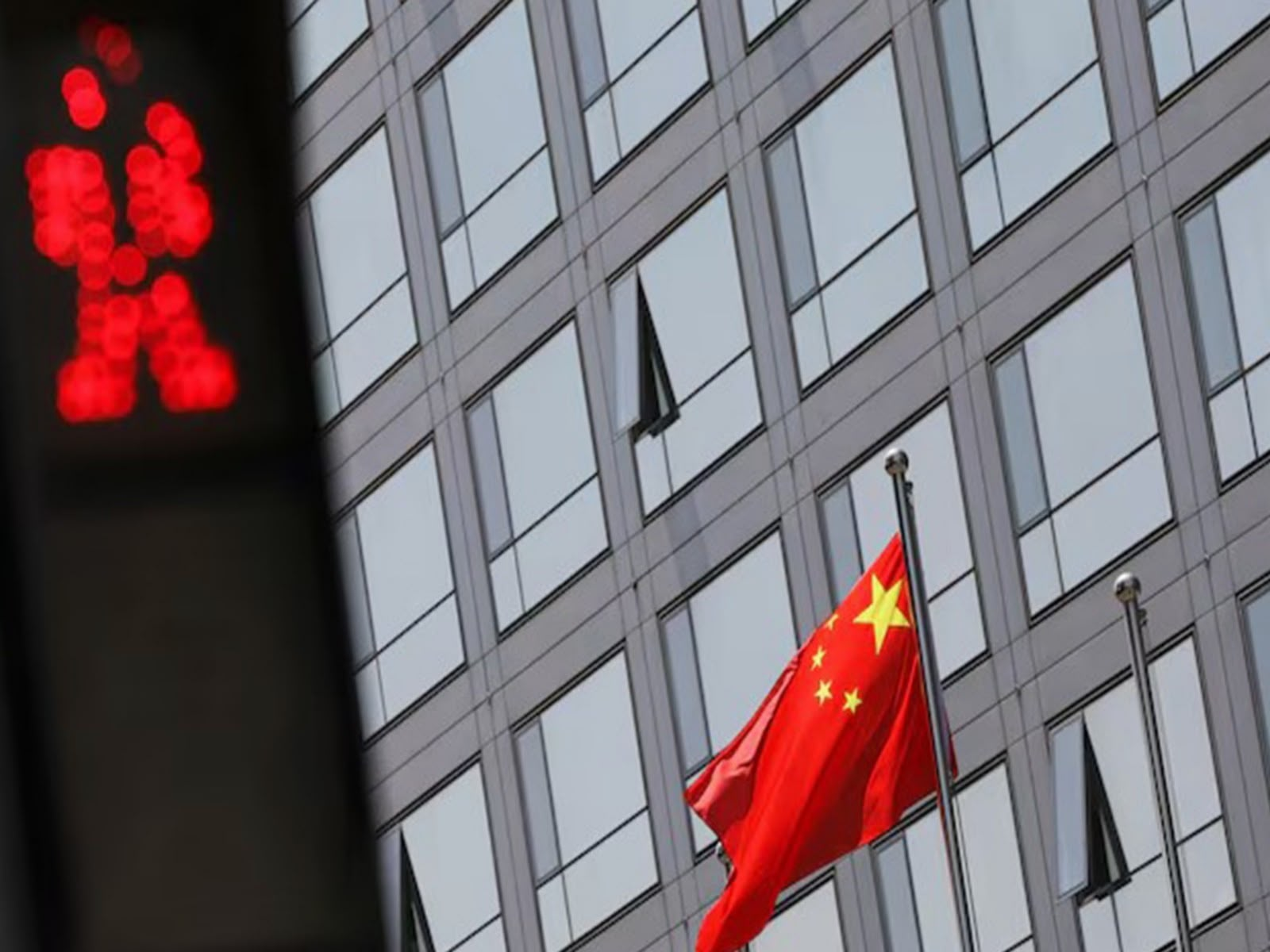
Taipei [Taiwan], November 28 (ANI): China is allegedly deploying artificial intelligence (AI)-generated social media personas to influence public opinion ahead of Taiwan's nine-in-one local elections, using increasingly sophisticated disinformation tactics to promote pro-Beijing narratives, The New York Times reported, citing research conducted by Vanderbilt University.
According to the report, the latest findings point to a shift in China's information operations, with political messaging being blended into seemingly ordinary social media content rather than circulated through conventional propaganda accounts.
Researchers found that suspicious accounts were posting about non-political subjects such as food, animals and celebrities, while gradually introducing messages supporting China and the unification of Taiwan.
The research was conducted by Vanderbilt University in collaboration with Taiwan-based non-profit organisation Doublethink Lab. The team began investigating China-directed AI disinformation operations after researchers discovered that China-based company GoLaxy was developing artificial intelligence tools for sophisticated disinformation campaigns, The New York Times reported.
Using a tool developed at Vanderbilt University to identify differences in language patterns, tone and word choices between human users and automated accounts, researchers detected traditional, hybrid and AI-powered inauthentic activities during October and November.
According to the report, some accounts directly targeted Taiwan's ruling Democratic Progressive Party (DPP), accusing it of corruption and ineffective governance.
Others adopted more subtle strategies, including accounts that appeared supportive of the DPP administration but interacted with pro-China accounts to amplify Beijing-aligned narratives.
Researchers also identified accounts described as "cyberborgs", which combine AI-generated images with content produced by human operators. Some accounts posted during regular business hours, indicating that they could be managed by individuals rather than functioning entirely through automation.
The investigation further found that certain accounts spent months publishing provocative AI-generated images on Instagram before gradually introducing political messaging on Threads as the elections approached.
This suggested a deliberate effort to build credibility and attract followers before using those accounts to influence political discussions, the report stated.
Vanderbilt University Associate Professor of Political Science and Asian Studies Brett Benson said the campaign demonstrated considerable patience, with synthetic identities being developed over extended periods before being used for political purposes.
He noted that AI was making it easier to create convincing online identities capable of establishing credibility within social networks.
The report also highlighted similarities with tactics observed during previous election interference campaigns in other countries, including the use of entertainment-focused social media feeds to circulate political narratives.
A previous Vanderbilt study had found that GoLaxy was exploring AI-powered hyper-targeted messaging to generate large volumes of content aimed at influencing people with specific viewpoints.
However, the latest investigation did not establish evidence of such targeted operations. Researchers said they would continue monitoring China-linked disinformation activities targeting Taiwan, The New York Times reported. (ANI)
US report flags China's use of AI personas in Taiwan's local elections