New Delhi [India], September 21 (ANI): Former diplomat Ajay Bisaria on Monday warned that the100% US tariff threat on Russian oil would mark a "serious escalation" in trade tensions between Washington and New Delhi, urging the US to issue a waiver and treat India as a strategic partner after US President Donald Trump signed the Lindsey O. Graham Sanctioning Russia and Iran Act of 2026 into law on Friday (local time).
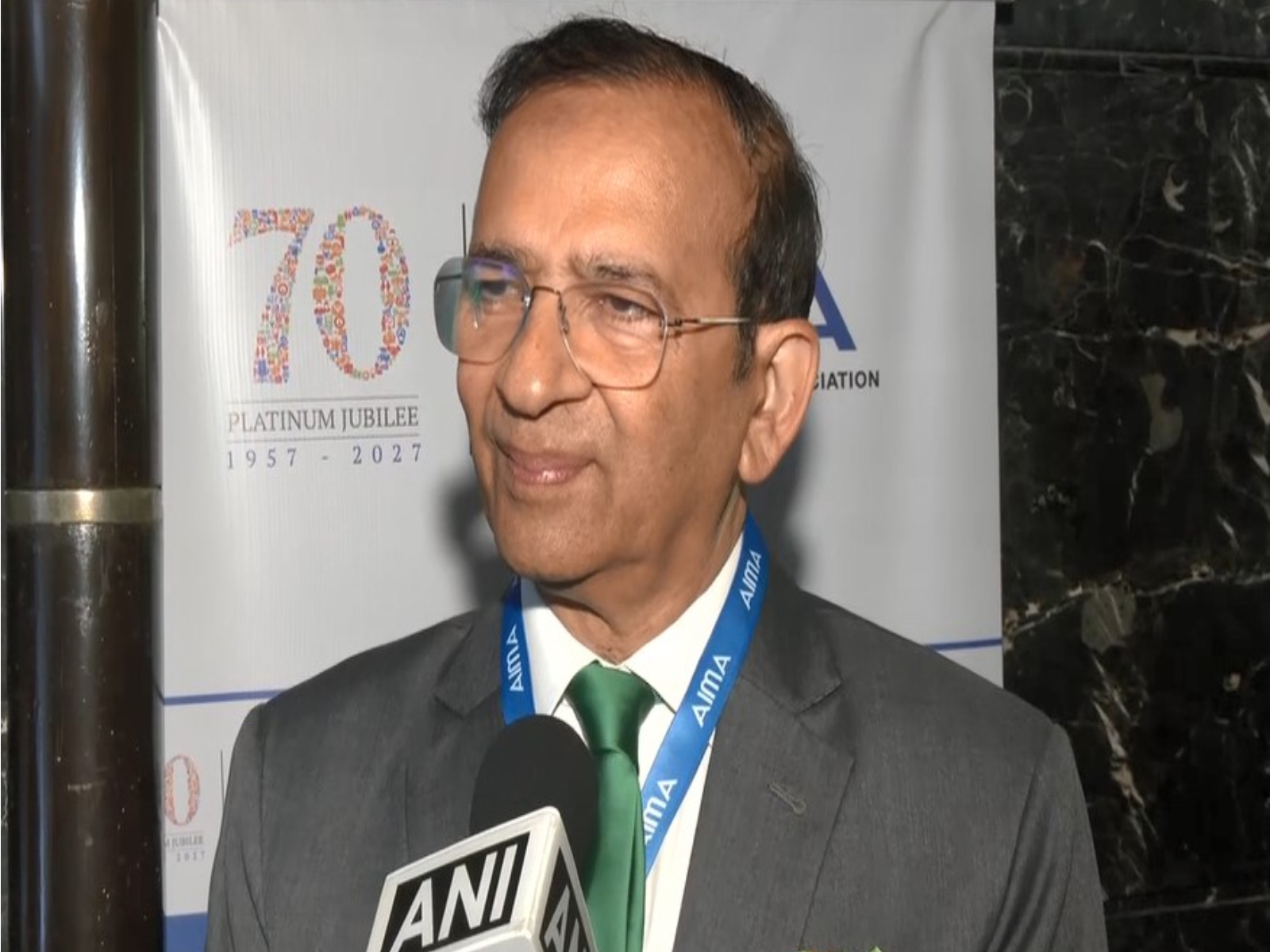
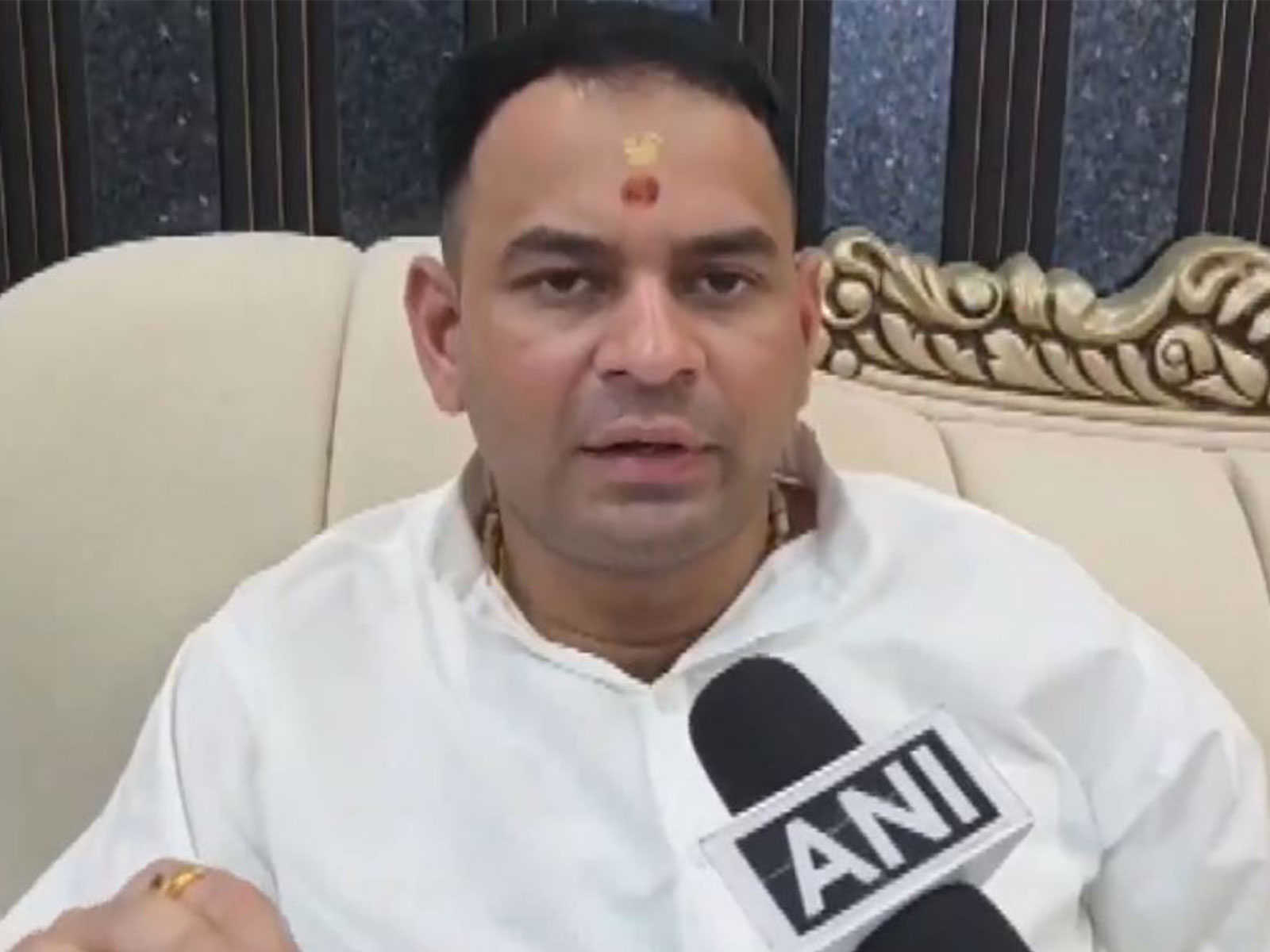
Speaking to ANI on the sidelines of the All India Management Association (AIMA) Platinum Jubilee National Management Convention, Bisaria addressed a range of pressing global challenges, including US-India trade friction, ongoing diplomatic pushes to end the Russia-Ukraine war, and rising tensions between Washington and Tehran.
When asked about the current geopolitical landscape facing India and the broader region, Bisaria highlighted recent US sanctions legislation and tariff rhetoric as a critical concern for bilateral relations.
"One of the very interesting developments of recent times is this US 100% tariff threat because of this new US law," Bisaria said. "And I think this is a serious development because India would see this as a serious escalation of a tariff war between India and the United States if this is ever implemented against India."
Bisaria urged Washington to reconsider its stance to protect upcoming bilateral milestones, including an impending trade agreement and Prime Minister Narendra Modi's upcoming US visit for the G20 in December.
"What is required is for the United States to treat India as a strategic partner and to quickly pass a waiver of this ill-advised US sanctions law that has been passed, because I think it will be quite unacceptable to India," he stated. "It'll have grave implications for the bilateral relationship... But my own expectation is that this will never happen. I don't think the US will make this miscalculation of putting any kind of tariff on India, because we've seen this movie before."
Turning to the conflict in Eastern Europe and President Donald Trump's upcoming meeting with Ukrainian President Volodymyr Zelenskyy, the former diplomat noted that the dialogue comes at a moment of sharp military escalation.
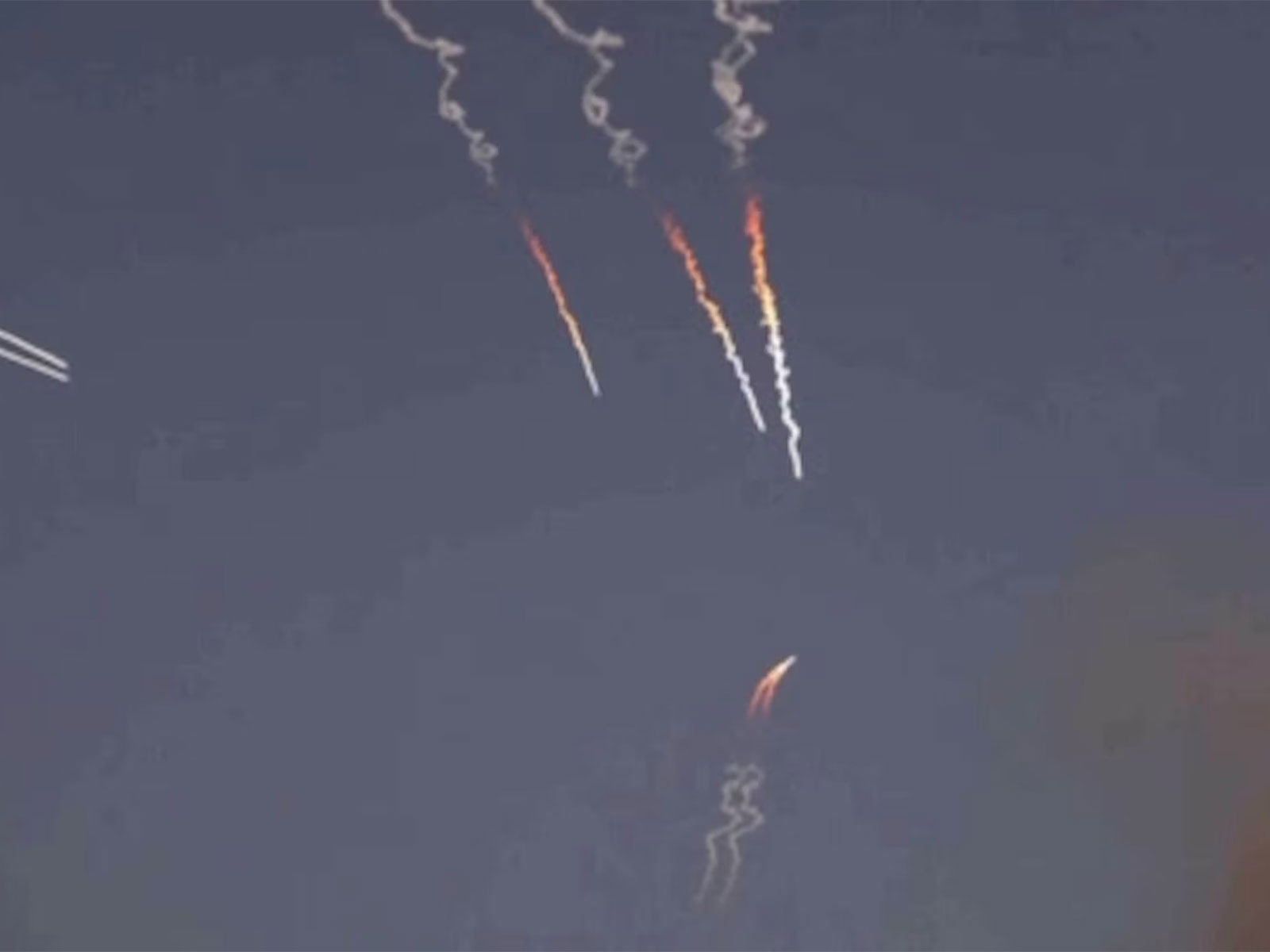
"I think it's an important meeting," Bisaria remarked regarding the Trump-Zelenskyy summit. "It follows from various other meetings that have taken place... so this war is at a stage of very serious escalation. There were 1,000 Ukrainian drones that went into Russia yesterday."
Bisaria expressed hope that Washington's diplomatic involvement could push both sides toward a negotiated resolution.
"It is important for Trump and the United States to play that mediatory role to try and take both sides, Russia and Ukraine, to dialogue and diplomacy to end this conflict, which not just affects the region, not just Europe, but the entire world for all its implications," he added. "I hope it is another step towards peace."
Addressing President Trump's recent hardline remarks against Iran, where the US President warned Tehran to "behave" while signalling significant retaliatory measures, Bisaria observed that US policy toward Iran continues to fluctuate between escalation and diplomacy.
"On Iran, we've seen that President Trump oscillates between talking of peace and talking of war," Bisaria noted. "So, the threat of escalation is something that is continuously made by the United States, but also there is a peace process that is on. We saw that that peace process of conversations was on behind the scenes in Oman."
He cautioned that any wider military conflict would have severe economic and security consequences, particularly for vital shipping lanes in West Asia.
"I just hope that the peace is something that prevails more than the war rhetoric, because the escalation of the war will not help the world," Bisaria concluded. "It will delay the normalisation of the Strait of Hormuz, and the Iranians are not going to give up their ability to escalate laterally by attacking the Gulf States or by attacking ships in the Hormuz. So, there again the only hope is of the peace process taking us to a modus vivendi to solve the problem."
President Trump endorsed the Lindsey O. Graham Sanctioning Russia and Iran Act of 2026 subsequent to its approval across both legislative houses in Congress.
The administration noted that the statute broadens formal sanctions, import duties, and trade restrictions concerning Russia while prolonging current economic penalties on Iran.
The regulatory framework focuses on Russia's petroleum and military sectors, Russian administrators and banking institutions, alongside its designated “shadow fleet” of maritime vessels deployed to bypass limitations on Russian crude shipments.
For India, the legislation establishes a statutory pathway that could allow Washington to impose tariffs of up to 100 per cent on Indian imports in response to continued purchases of Russian energy.
Meanwhile, the US and India are continuing negotiations toward a bilateral trade agreement, with further talks expected on the sidelines of the G20 Trade Ministers’ meeting in Wisconsin later this month. (ANI)
US should treat India as strategic partner and waive "ill-advised" tariff threat: Former diplomat Ajay Bisaria