By Ayushi Agarwal
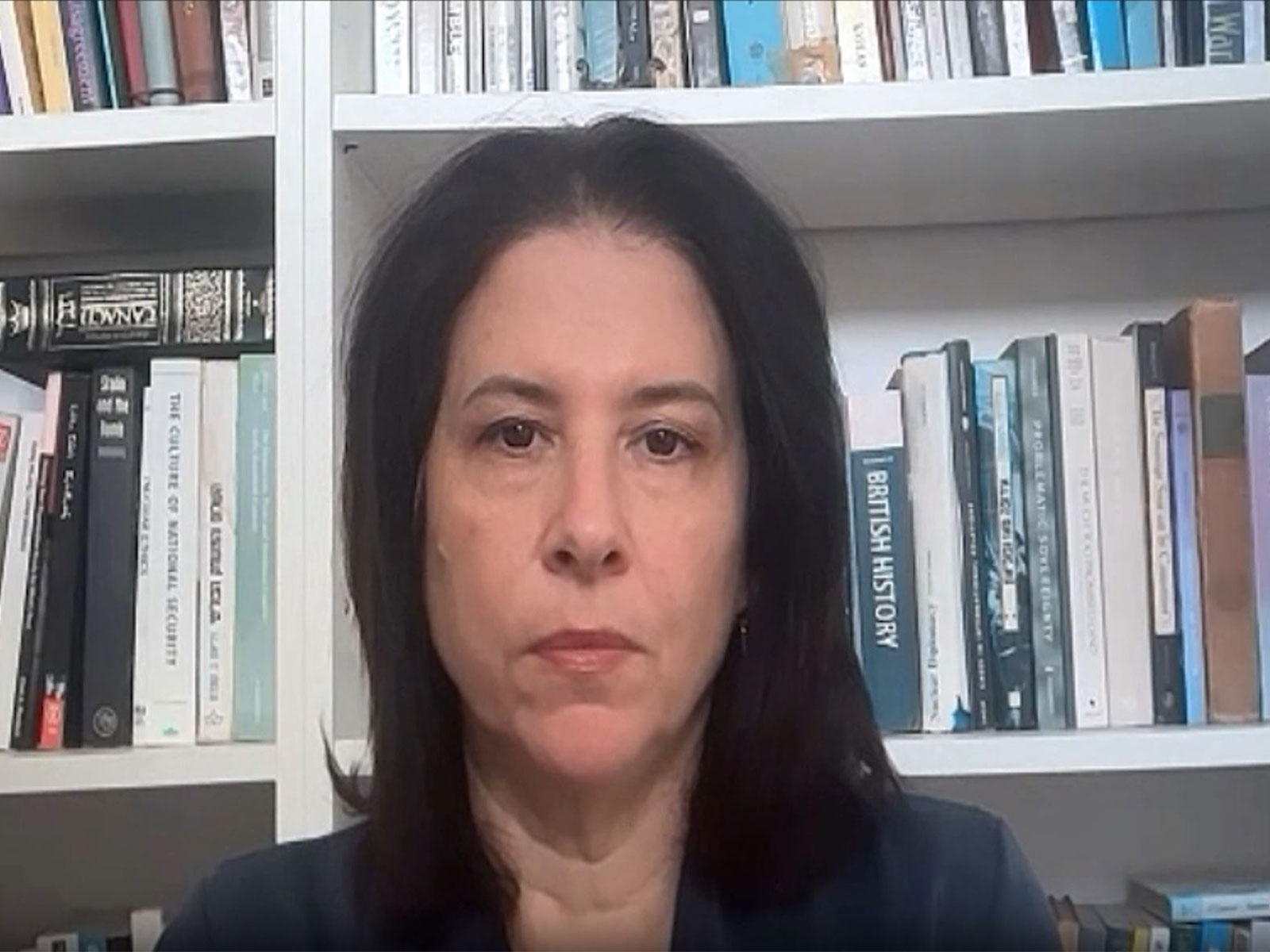
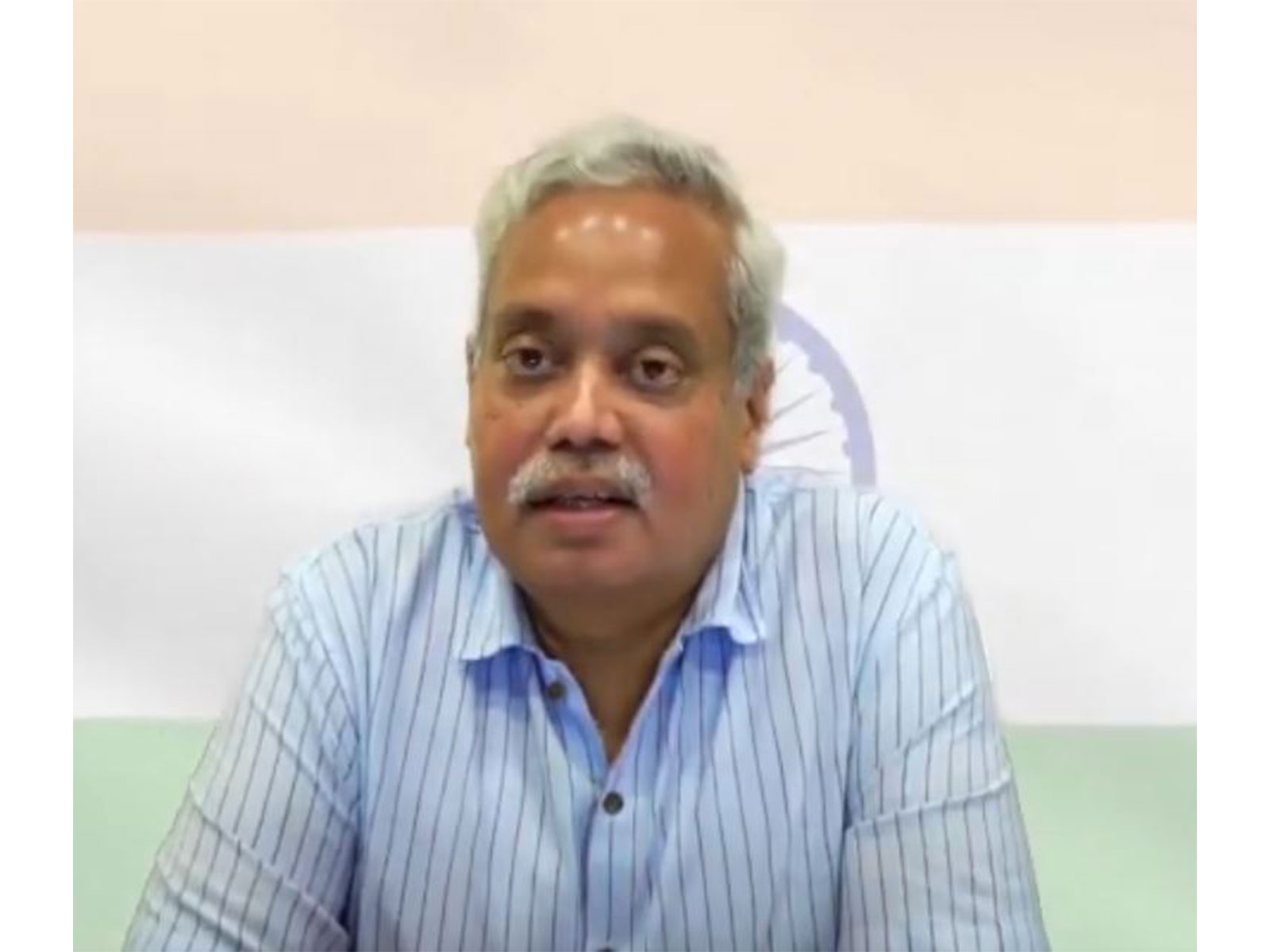
Tel Aviv [Israel], October 1 (ANI): Weighing in on the grave national security implications following a terrifying mid-air incident aboard an Israel-bound flight following a violent mid-air cockpit attack, former director of the Israel National Security Council, Helit Barel, stated that the event must be treated as a potential terror attack.
Speaking to ANI, Barel said, "Well, I think it's definitely both. It's a very grave incident in terms of national security for Israel. It clearly has been some violations of aviation security, although I'm not clear at this point whether the weapon with which the co-pilot stabbed Smit Machchhar, the pilot, was the axe, the rescue axe that's within the cockpit or some sort of knife that he was able to bring in on his own."
Emphasising the gravity of the motivations involved, she added, "Irrespective and probably, you know, we are waiting to hear the results of the Saudi investigation, but certainly his motivations were not benign by trying to take down whether it's in a 9-11 style terrorist attack or just take down an entire plane full of Israelis in a flight destined to Tel Aviv. We at this point have to treat it as if it was a terror attack and one that didn't succeed fully only because of very, very courageous people and some very miraculous coincidences that happened, including just the existence of an extra flight crew on that plane. So it's a very grave security incident."
Addressing systemic vulnerabilities in commercial aviation, Barel noted that post-9/11 measures heavily prioritised passenger screening while leaving potential threats from aircrew underexamined.
"After 9-11, I think the world focused very much on passenger security, finding out who the passengers are, screening them very carefully, and looking at passengers as a potential threat. And what we saw yesterday, and it's not the first time, but yesterday I think established it very strongly, is that if aircrew are coming on an airline with any kind of malintentions or menacing intentions, that is a very severe threat because they have the capacity to really harm the aircraft and the passengers," she said.
Discussing cockpit security protocols, she further observed, "For example, after 9-11, we took very extreme care to make sure that passengers cannot enter into the cockpit. But now we also see that locking the cockpit in this case was also a problem. We were very lucky that the pilot was able to open that door, because if he hadn't, even the seconds that it would have taken to find a way to get into the cockpit would have probably caused a completely different ending to this flight, because the ability to act very quickly was crucial."
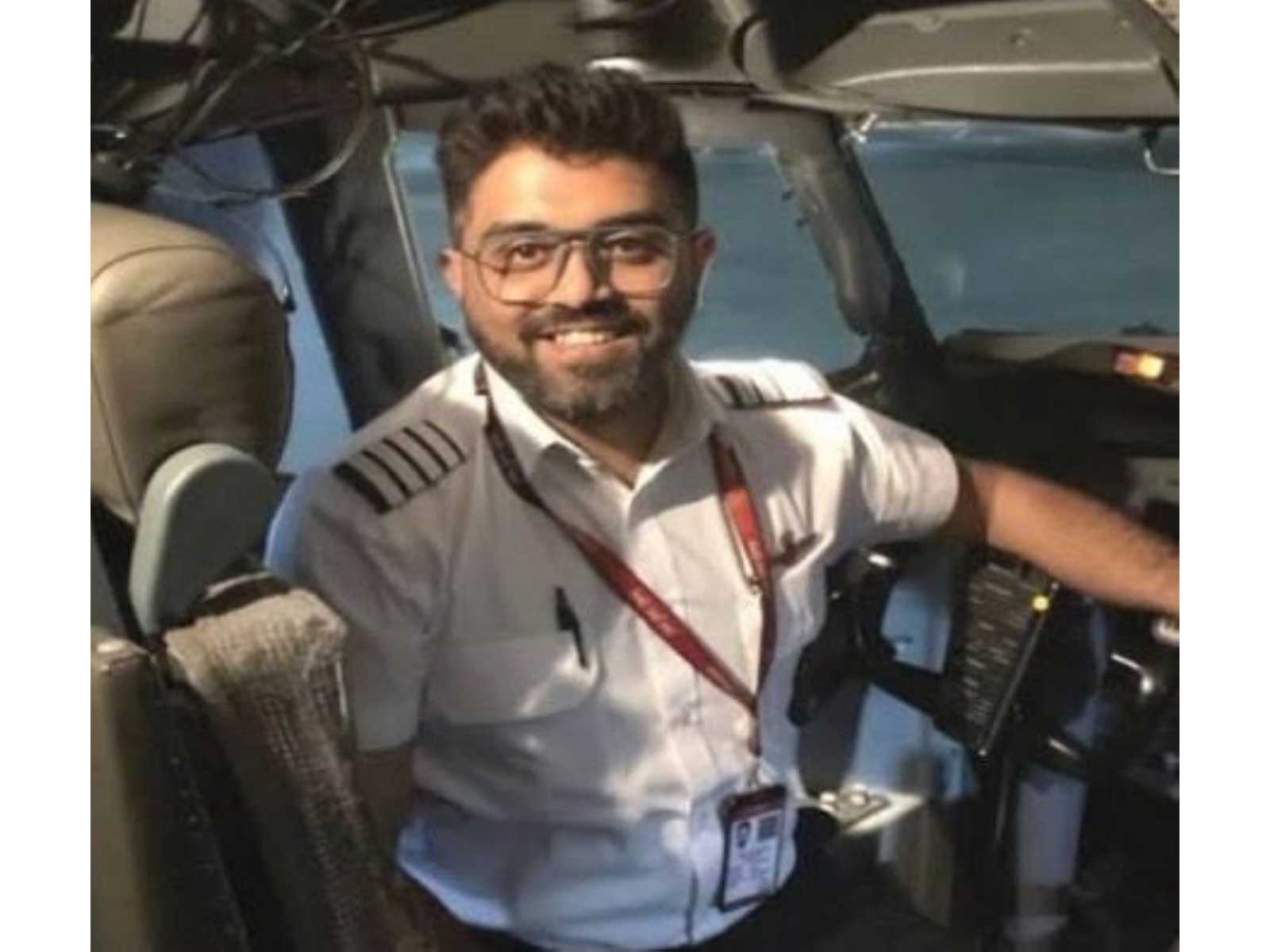
Highlighting the pivotal role played by the Indian pilot, Barel stated, "I think we owe a great, great debt to the captain of the flight who did everything he could to neutralise the attacker and allow someone to come in and help him with the situation, because he was obviously in a very grave situation. We heard from the medical personnel, the doctor that was there on the flight who took care of him. He was very severely incapacitated. He lost a lot of blood. He suffered a lot of injuries."
Detailing the critical final moments, she added, "He was able to do several things. One is he was able to send a distress signal and then also a hijacking signal. So I'm not sure how many people are aware that Israeli combat aircraft was actually in the air heading towards that incoming aircraft from Dubai to make sure that it does not enter the Israeli airspace under a hostile takeover. And he was able to push that door open or open the cockpit and allow people to get in. And as soon as they noticed, they saw the blood and understood something was going on. They had a very, very strong response, a very immediate response, which also saved the day because timing was everything."
Commenting on bilateral aviation protocols and regional connectivity, Barel pointed out procedural gaps that require urgent review.
"It's going to be studied very carefully because there has been obviously some sort of problem with rules that have been set and guidance that has been set. There were not supposed to be any pilots flying on the route to Tel Aviv who are citizens of any nation that does not have diplomatic relationship with Israel. But apparently that's happened more than once. And apparently on both sides, there was no action taken upon this. So Israel knew that Omani pilots were flying and obviously the UAE did," she said.
Recognising the vital importance of transit hubs like Dubai for Israeli travellers, she concluded that the incident will necessitate careful bilateral management and potentially revised safety frameworks between Israel and the UAE.
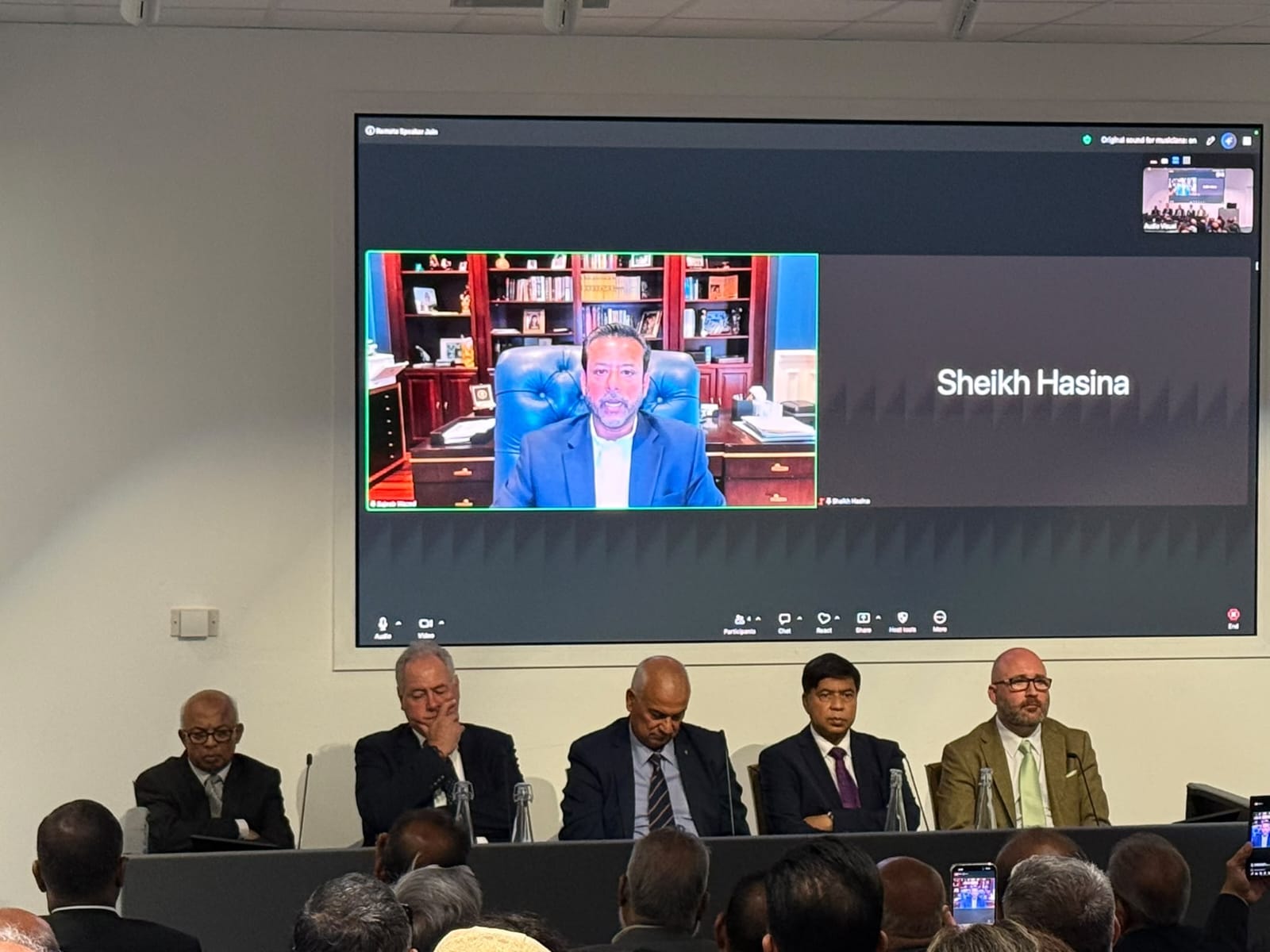
Warning that the harrowing mid-air emergency could have resulted in catastrophic mass casualties, former Israeli Government Spokesperson Eylon Levy also praised the extraordinary bravery of Captain Smit Machchhar and the passengers who intervened.
Speaking to ANI, Levy shared his assessment: "Israel believes this was an attempted terror attack and could well have been Israel's 9/11, if not for the heroism of the Indian captain who managed to open the door to the cockpit and let the passengers come in to save the flight. The co-pilot, a national of Oman, stabbed the Indian captain over the skies of Saudi Arabia and tried to take control of the cockpit. During that tussle, the brave Indian captain opened the door so that passengers could come in. The passengers went inside and tackled the pilot. An Israeli plumber managed to grab the steering wheel of the plane in order to force it out of the nosedive. The other passengers restrained the terrorist pilot with earphones until an off-duty pilot on the plane was able to take control and eventually landed safely in Saudi Arabia."
Elaborating further, Levy noted, "There have been many hijackings of aircraft in the past. This is the first I know of a pilot who didn't just try to crash the plane, but planned to use it as a weapon for a possible 9/11-style attack, which was prevented because of the courage of the Indian co-pilot and those passengers on board. People don't just hijack planes full of Israelis for fun. Unfortunately, Israel has a lot of experience, especially in the 1970s, with Palestinian terror attacks that involved hijacking planes. He could have tried to crash it into the Saudi desert, force it to land in a hostile country, or wait to enter Israeli airspace and crash it into a building in a 9/11-style attack."
Building on these insights, Israel's Ambassador to India, Reuven Azar, expressed immense admiration for the extraordinary valour displayed during the incident, hailing the heroic intervention of Captain Smit Machchhar.
Speaking to ANI, Ambassador Azar stated, "We've seen that, thanks to the amazing bravery, courage and resolve of Captain Smit Machchhar, the Indian pilot, 180 passengers were saved. He, despite the fact that he was stabbed by his co-pilot, has been able to open the door of the cabin, and that allowed the bravery of others, the passengers—three Israeli passengers that penetrated the cabin, neutralised the attacker, and then afterwards, called both the doctor that took care of Captain Machchhar, and the crew that came and took over the flight. There were two additional pilots that were sitting with the passengers on the plane. So, thanks to the combination of the actions, the united action of both the captain, the crew members, and the passengers, this flight was saved."
The Israeli envoy noted that the actions prevented a repeat of 9/11, adding: "I think that another 9/11 could have happened. Whether this attacker would have been able to take control of the flight, and thanks to the combination of the action, the activity, the resolve of the Indian pilot that deserves praise and was praised, and will be praised even more, we now have a different situation. The passengers are safe. We had our health teams there at the airport to make sure that everybody is okay. We heard testimonies of the Israelis on the flight, and I think that everybody now is safe and sound."
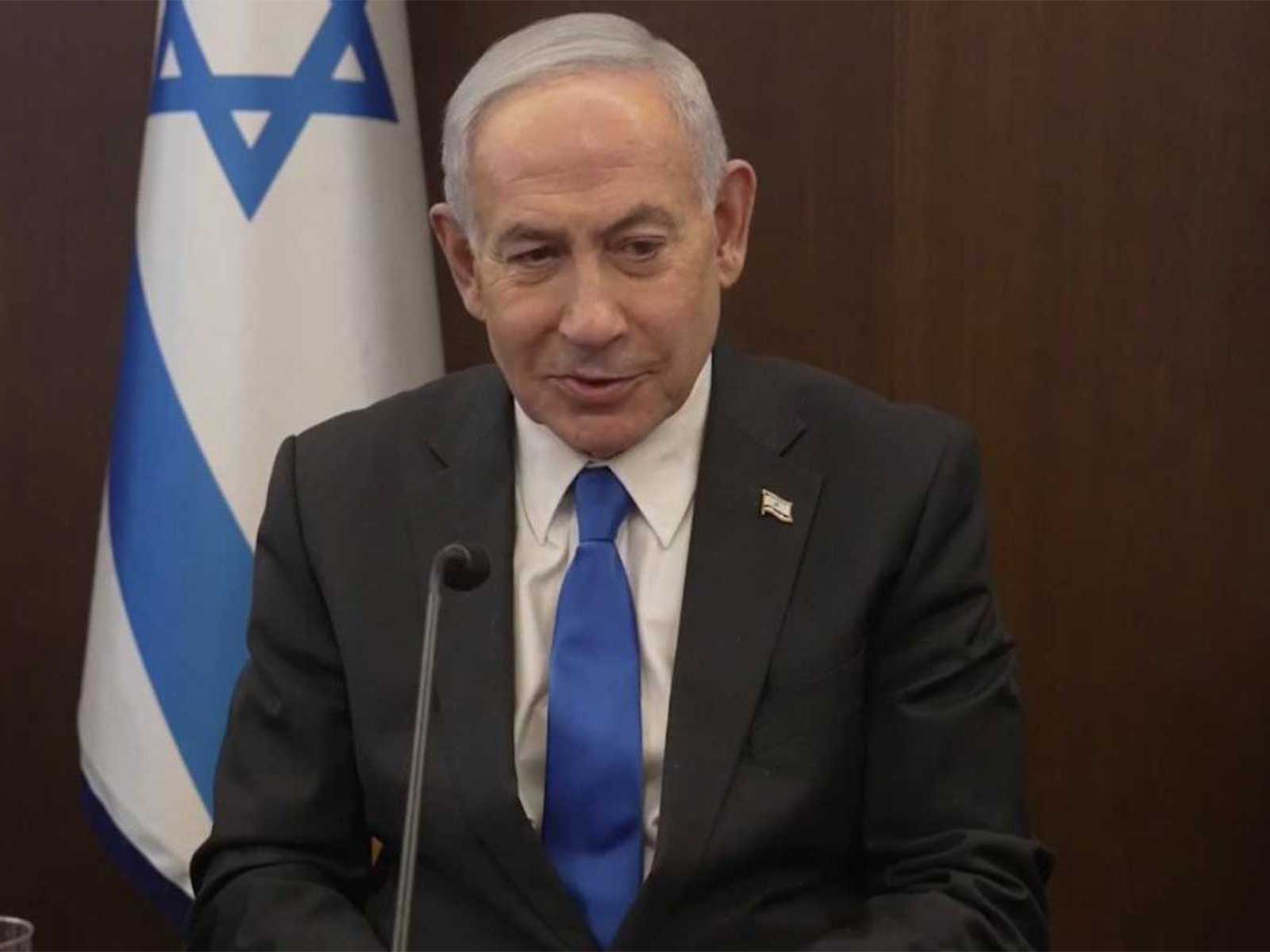
Meanwhile, Israeli Prime Minister Benjamin Netanyahu has said the attacking pilot is being investigated in Saudi Arabia and could be transferred to the UAE, adding that Israel is following the process closely and could potentially participate in it.
Commenting on the protocols moving forward, Ambassador Azar noted, "I'm sure that the professional agencies are going to take another look at the protocols. Many of these protocols were actually activated as a result of the hijack alert that was sent by the pilot, and these strict protocols are going to have to be revised so we make sure that not only we can prevent in the future such incidents, but if they happen, to deal with them as diligently as possible."
Indian pilot Captain Smit Machchhar is a seasoned aviator with more than 13 years of commercial aviation experience and around 9,750 total flying hours, predominantly operating Boeing 737 aircraft. Before joining Flydubai, he spent 11 years with SpiceJet, where he served as a Line Training Captain.
Meanwhile, Flydubai has temporarily suspended flights to and from Israel as an investigation into Wednesday's mid-air incident remains underway, according to the airline. (ANI)
"We have to treat it as a terror attack": Former Israeli National Security Council director warns after Flydubai cockpit stabbing