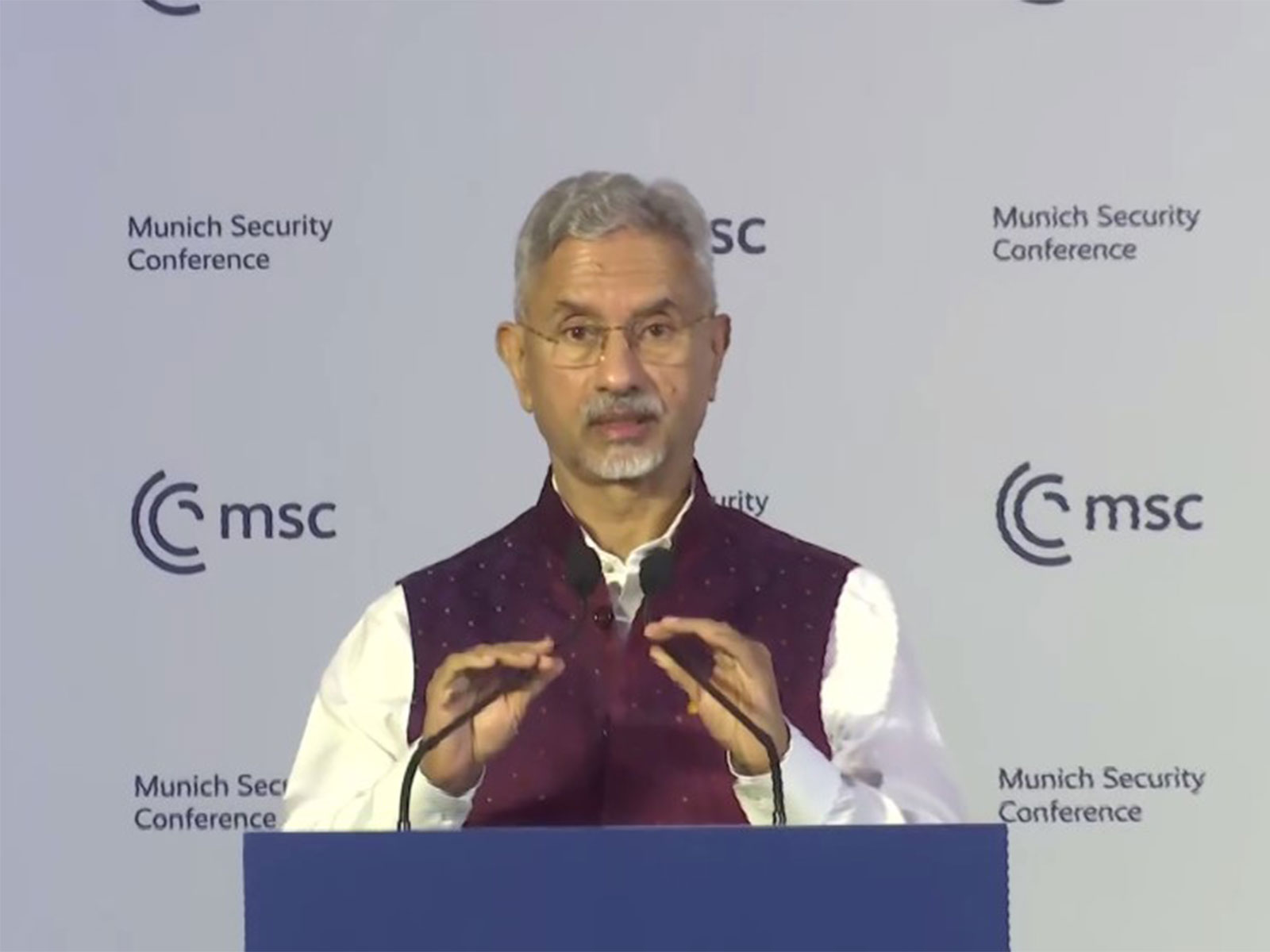
New Delhi [India], October 4 (ANI): Against the backdrop of an increasingly fractured geopolitical landscape and shifting global alliances, External Affairs Minister S Jaishankar has articulated a comprehensive multi-sector blueprint aimed at empowering "emerging and middle powers."
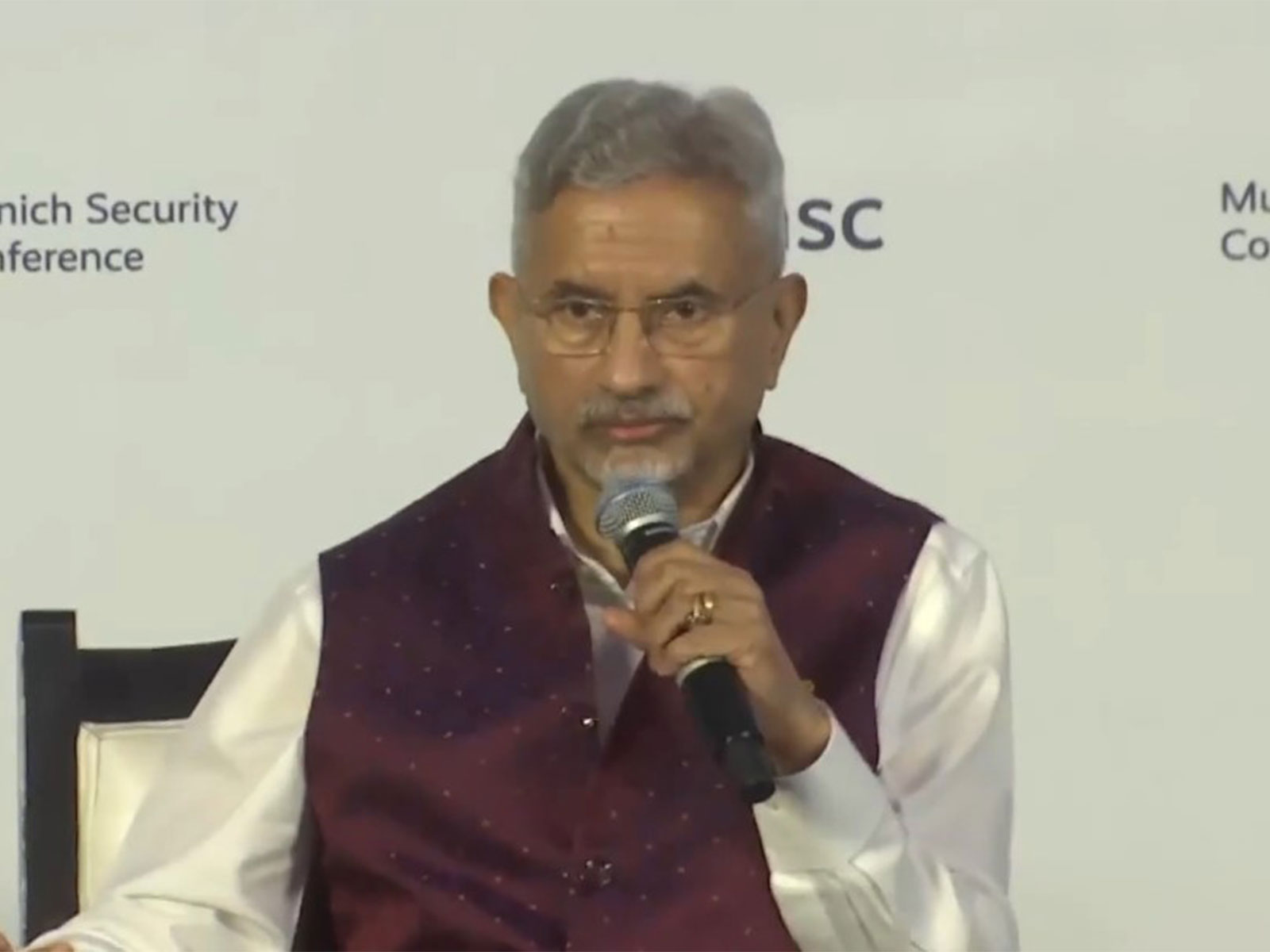
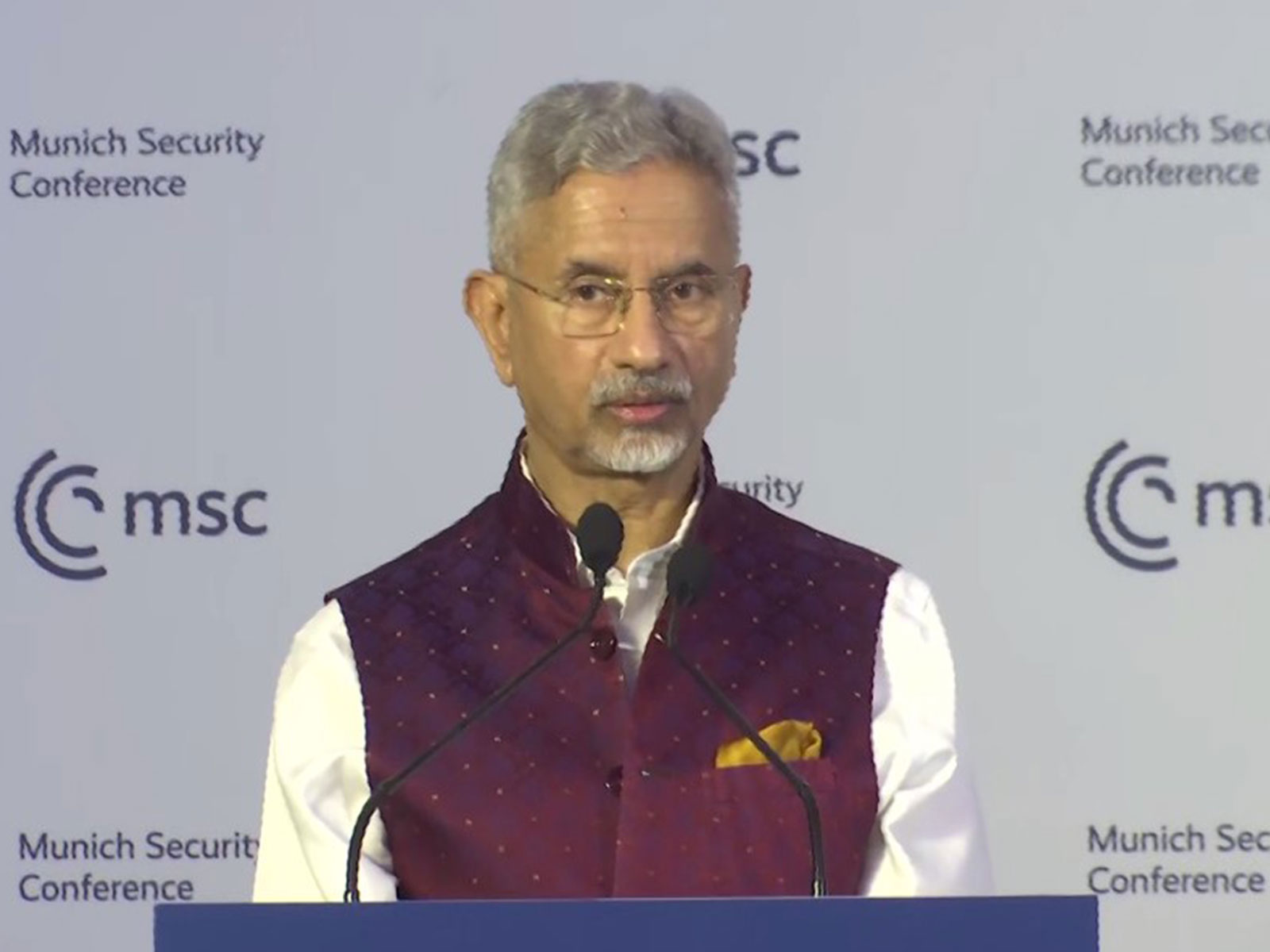
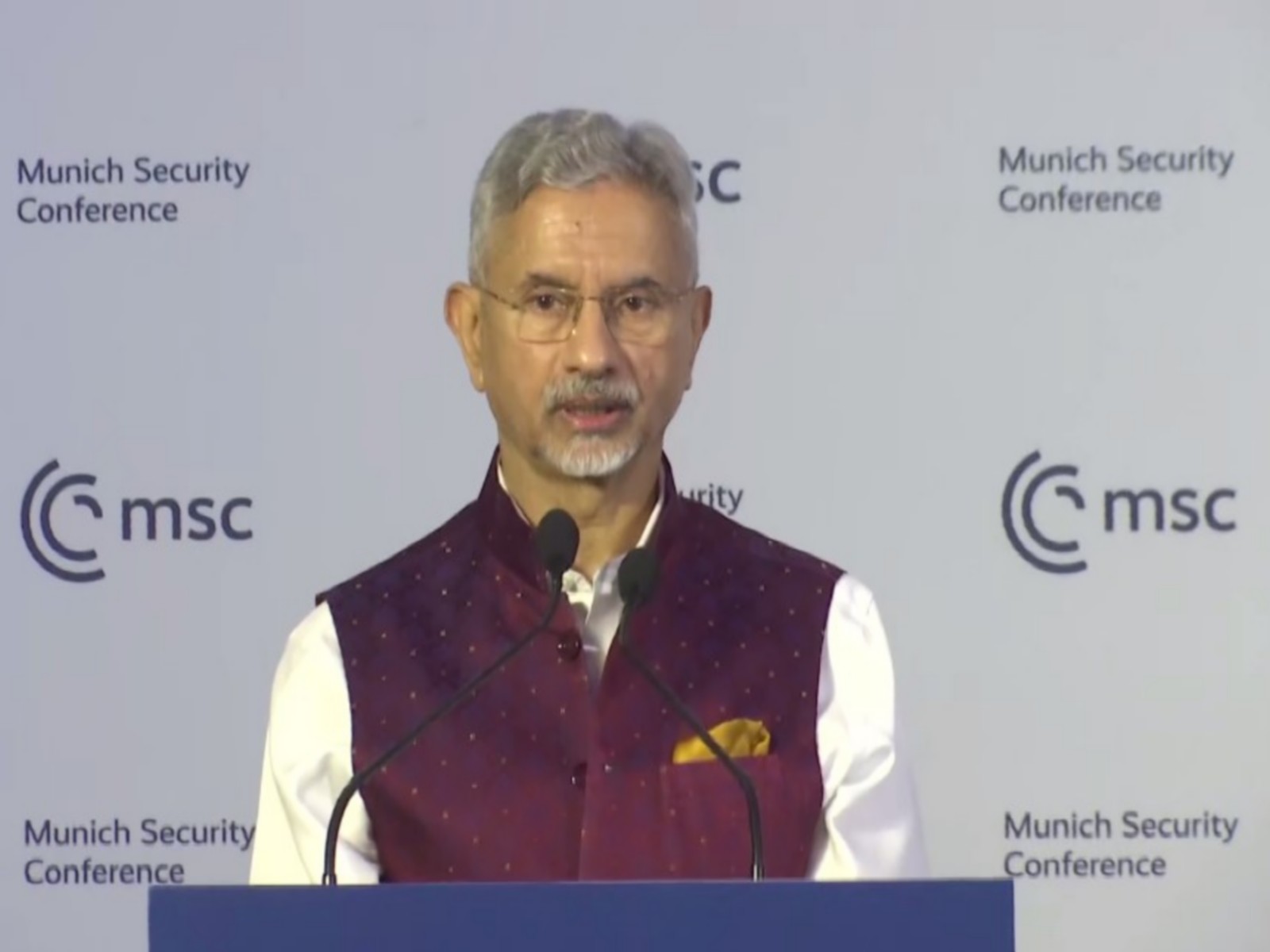
Addressing the opening session of the Munich Leaders Meeting 2026 in New Delhi, Jaishankar called on non-superpower states to pool diplomatic, economic, and technological resources to collectively reshape global decision-making on the evolving dynamics of international governance.
"There is today a substantial agenda for emerging and middle powers to cooperate," he noted. "The world is changing, its agenda is changing, the landscape is changing, the architecture is changing."
Rather than relying solely on traditional superpowers to navigate global crises, Jaishankar advocated for middle powers to proactively coordinate across critical sectors, spanning conflict resolution, supply chain resilience, high-tech manufacturing, healthcare, global connectivity, climate action, and defence reform.
He encouraged non-superpower nations to back each other’s diplomatic initiatives and pool operational resources to mitigate conflicts and global tensions.
"What could be the agenda for emerging and middle powers? I would share my thoughts in terms of a few ideas," Dr. Jaishankar said. "One would be international peace and security: if there are conflicts, frictions, tensions, other than the biggest countries, can other nations pool their resources, back each other's diplomacy up, try to do something out there."
Jaishankar called for leveraging bilateral and plurilateral economic pacts—citing the long-negotiated India–EU engagement framework as an example of sustained economic alignment.
"A good example is what happened this year between India and the European Union, where we had almost 25 years of negotiation. But there are, in different domains, I would argue, enough causes for middle and emerging and middle countries to come together," he said.
While formal negotiations for a Free Trade Agreement (FTA) officially began in 2007 (and were paused in 2013 before restarting in 2022), high-level trade dialogues, strategic partnerships, and structural institutional engagements between India and the EU date back to the late 1990s and early 2000s, fitting the ~25-year timeline of continuous trade framework discussions.
Jaishankar further highlighted building strategic autonomy in critical technologies, noting that leadership in sectors like semiconductors and advanced machinery is not exclusive to global giants.
Medium and smaller nations can dominate niche high-tech sectors like semiconductor chips. Key global technology bottlenecks are held by non-superpowers. For instance, Taiwan (TSMC) dominates advanced semiconductor fabrication, while the Netherlands (ASML) holds a global monopoly on EUV lithography machines required for advanced chipmaking.
"Supply chain resilience is one... You don't have to be the biggest country in the world to dominate the world of chips or to even dominate machine production," he said.
Jaishankar also addressed global health security through diversified pharmaceutical manufacturing (such as Active Pharmaceutical Ingredients) and facilitating the seamless movement of skilled talent to balance demographic disparities.
He added, "You can have an area like health. Today, health security warrants a much more diversified production of APIs and pharmaceuticals. The reality of the world is that where there is demand is not where there are demographics. And how do you level that out? That is best done through a flow of talent and skills. And you can see, even in the field of advanced manufacturing today."
Global health security relies on diversifying Active Pharmaceutical Ingredient (API) production. The COVID-19 pandemic exposed severe global vulnerabilities due to over-concentration in API supply chains (primarily centralised in China). India and other middle powers have actively pushed for supply-chain diversification to ensure global health resilience.
Expanding on key structural pillars, the External Affairs Minister identified global connectivity, defence reform, climate initiative, and space technology as critical functional arenas for these nations.
"Connectivity is an important agenda for emerging and middle powers. So, indeed, is climate action and sustainability... the circumstances have made it even more urgent," he observed. "In a field like defence, because the old producers and consumers, the old systems, the orthodoxies are changing. A smarter defence comes into being... Space is again an area which has seen some dramatic transformations." (ANI)
"World architecture is changing": Jaishankar lays out strategic roadmap for "emerging and middle powers"