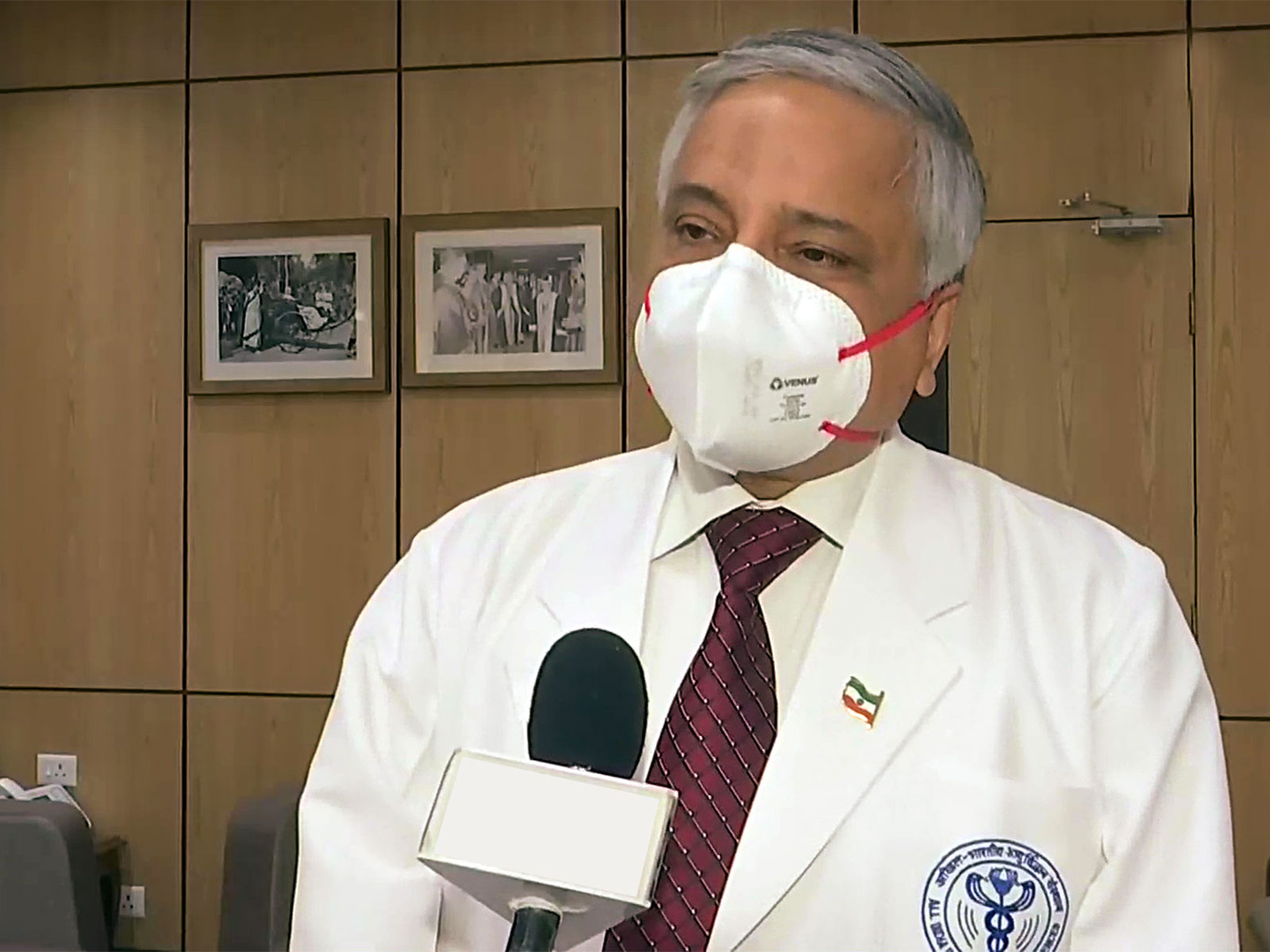
New Delhi [India], November 5 (ANI): Dr Ambrish Mithal, Group Chairman and Head of Endocrinology and Diabetology at Max Healthcare, on Thursday, warned that air pollution is an established environmental contributor to type 2 diabetes mellitus. This comes as Delhi continues to grapple with hazardous air pollution, with several areas recording hazardous air quality levels affecting people across age groups.
Speaking about the impact of air pollution on diabetes, Mithal said, “Air pollution affects diabetes in several ways, and there are Indian studies that have shown a direct impact of PM 2.5 on the prevalence of diabetes as well as high blood pressure. Even one month of exposure to PM2.5 can raise your blood sugar, and over the years the risk of diabetes can go up by 22%.”
He highlighted the significance of the issue in India, which has a high burden of diabetes, and said air pollution also contributes to the prevalence of high blood pressure.
“It’s a very important contributor to our diabetes risk, and I think we need to understand because India is a diabetes capital of the world. The other thing that happens is that not just diabetes but high blood pressure prevalence also goes up a lot,” he said.
Explaining how fine particles affect the body, Mithal said they can enter the lungs, reach the bloodstream and contribute to vascular damage, inflammation and insulin resistance.
“These particles contain nitrates, sulfates, heavy metals, and carbon. Now, when these are very tiny, they go into our lungs, and they get absorbed into the bloodstream. They damage the arterial walls. So you get more of hypertension and vascular disease. They also reach the pancreas, and they have some impact on insulin secretion, exciting inflammation inside the pancreas and they also have an impact on insulin action. So insulin resistance also happens. So, in other words, there is a direct vascular impact on the blood vessels,” he said.
Delhi's air quality remained in the "hazardous" category on Thursday morning, with the overall Air Quality Index (AQI) recorded at 482 at 8:01 AM, while several parts of the national capital continued to report severe pollution levels.
According to data from the Central Pollution Control Board (CPCB), seven monitoring stations recorded AQI levels above 400, placing them in the severe category.
Punjabi Bagh recorded the highest AQI at 446, followed by Narela at 434, Rohini at 431, RK Puram at 416, Bawana at 412, North Campus, Delhi University at 408, and Patparganj at 405.
Several other areas recorded air quality in the very poor category. Okhla Phase-2 and India Gate both reported an AQI of 399, followed by ITO at 397, Dwarka Sector 8 at 396, Chandni Chowk at 356 and Vasundhara Enclave at 330.
Anand Vihar recorded an AQI of 293, while the IMD Lodhi Road station reported 268, both falling in the poor category. (ANI)
Air pollution is an established environmental contributor to Type 2 Diabetes: Dr Ambrish Mithal