Mumbai (Maharashtra) [India], September 4 (ANI): Belgian Prime Minister Bart De Wever on Friday held a series of business-focused engagements in Mumbai spanning diamonds, trade, logistics and investment, as Bel sought to deepen its economic partnership with India following the conclusion of the India-European Union Free Trade Agreement.
De Wever arrived in Mumbai from New Delhi earlier in the day as part of his first official visit to India as Belgian Prime Minister. He was received by Maharashtra Minister of Marketing and Protocol Jaykumar Rawal.
A key business engagement during the Mumbai leg was the opening of HRD Antwerp's renovated and expanded diamond grading laboratory at the Bandra Kurla Complex.
According to an official release by HRD Antwerp, the expansion has increased the Mumbai laboratory's capacity by 30 per cent, allowing it to examine and grade up to 2,000 diamonds a day. The company is also recruiting 40 additional full-time employees to support the higher capacity.
HRD Antwerp, a subsidiary of the Antwerp World Diamond Centre, has been active in India since 2012 and currently serves around 1,500 clients, including jewellery manufacturers and retailers and companies involved in producing and trading cut diamonds.
The company said its Indian operations now account for 59 per cent of HRD Antwerp's total group revenue. The India business is expected to grow by 15.4 per cent this year, compared with projected growth of 12.6 per cent for the group as a whole.
“The visit of our Prime Minister underlines the importance of cooperation between Belgium and India within the global diamond sector. India and Antwerp together form two indispensable links in the international diamond chain,” HRD Antwerp CEO Paul De Wachter said.
“With this expansion, we are investing not only in additional capacity, but above all in the future of our cooperation with the Indian diamond and jewellery sector,” he added.
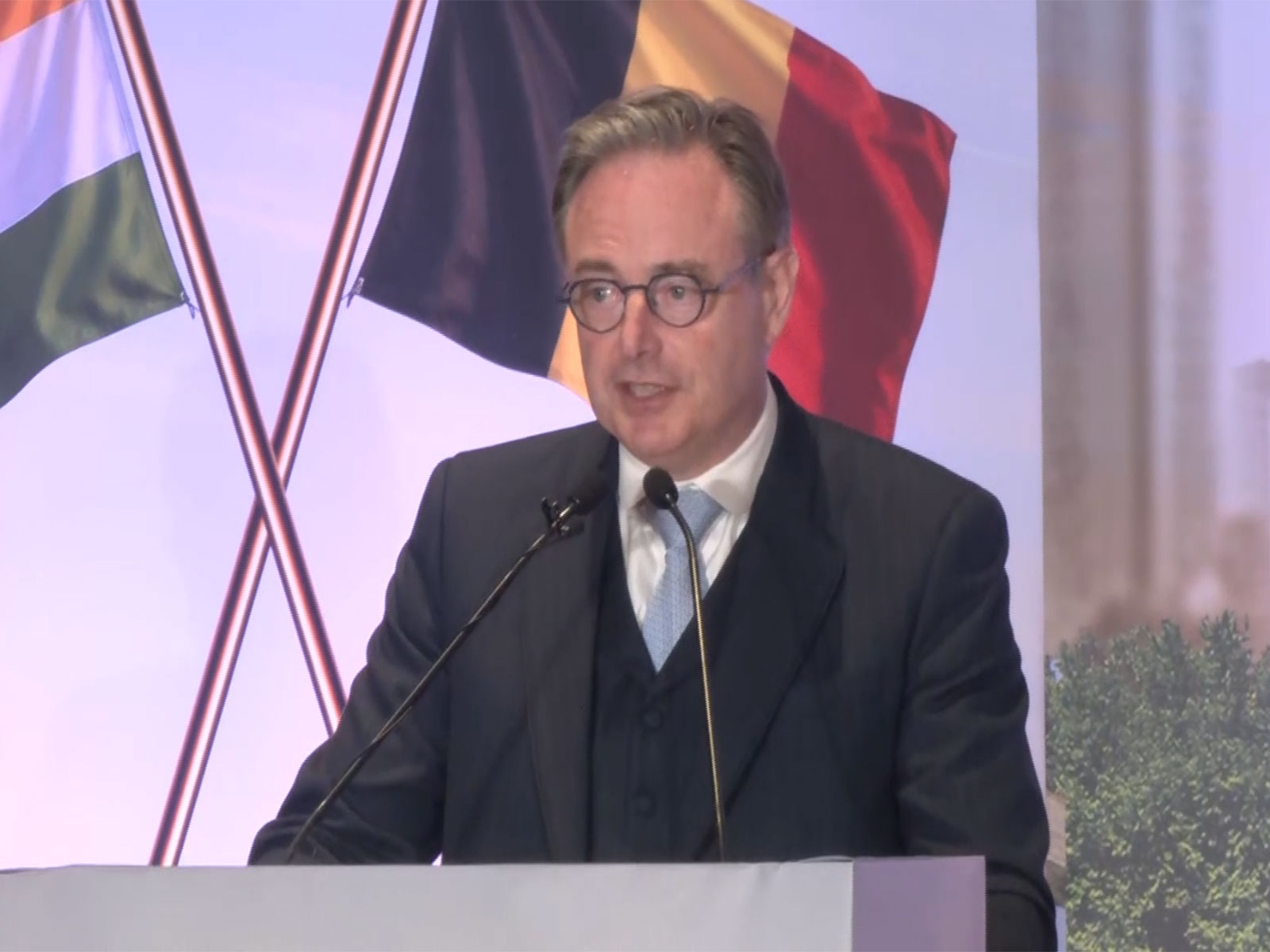
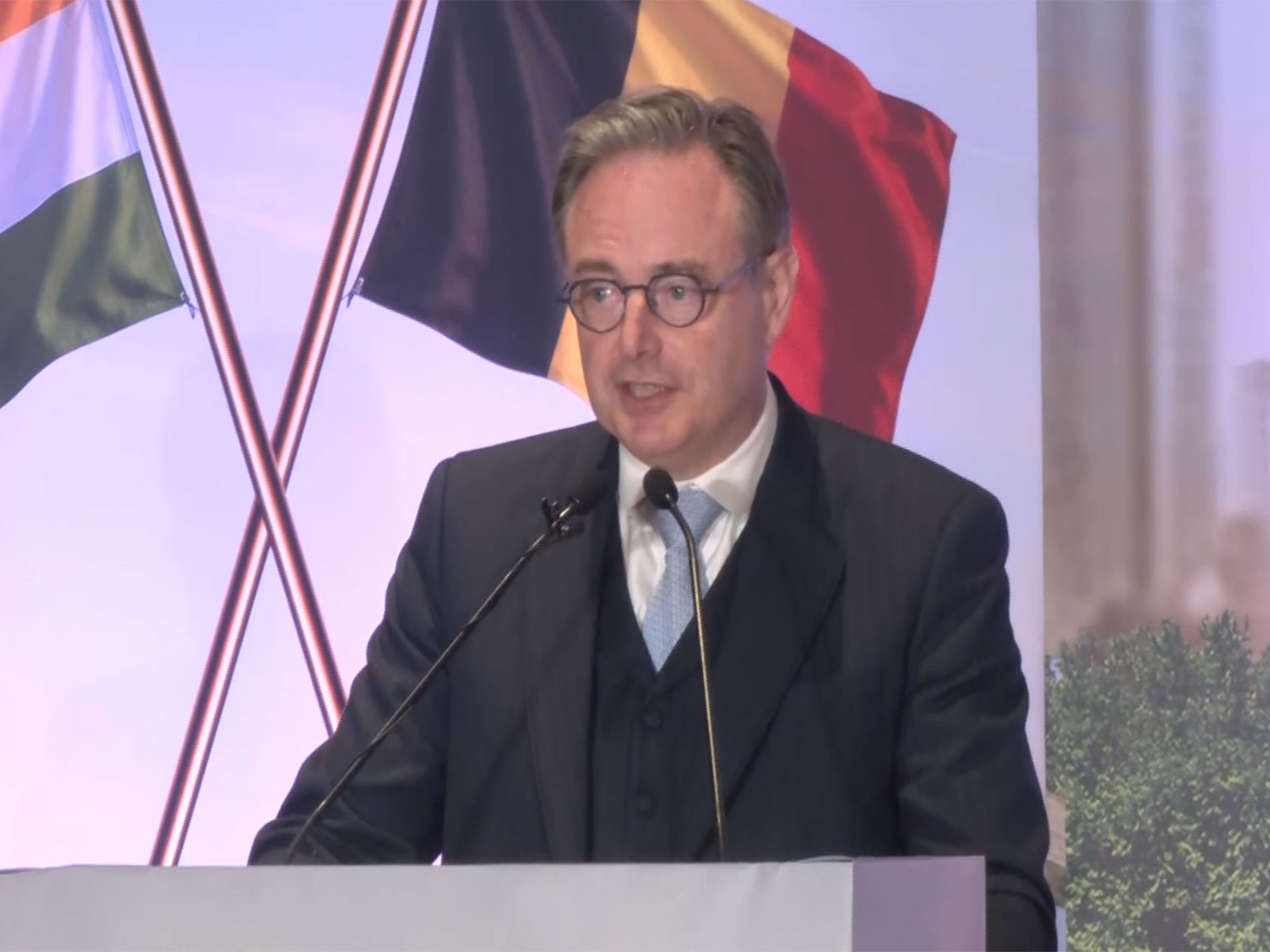
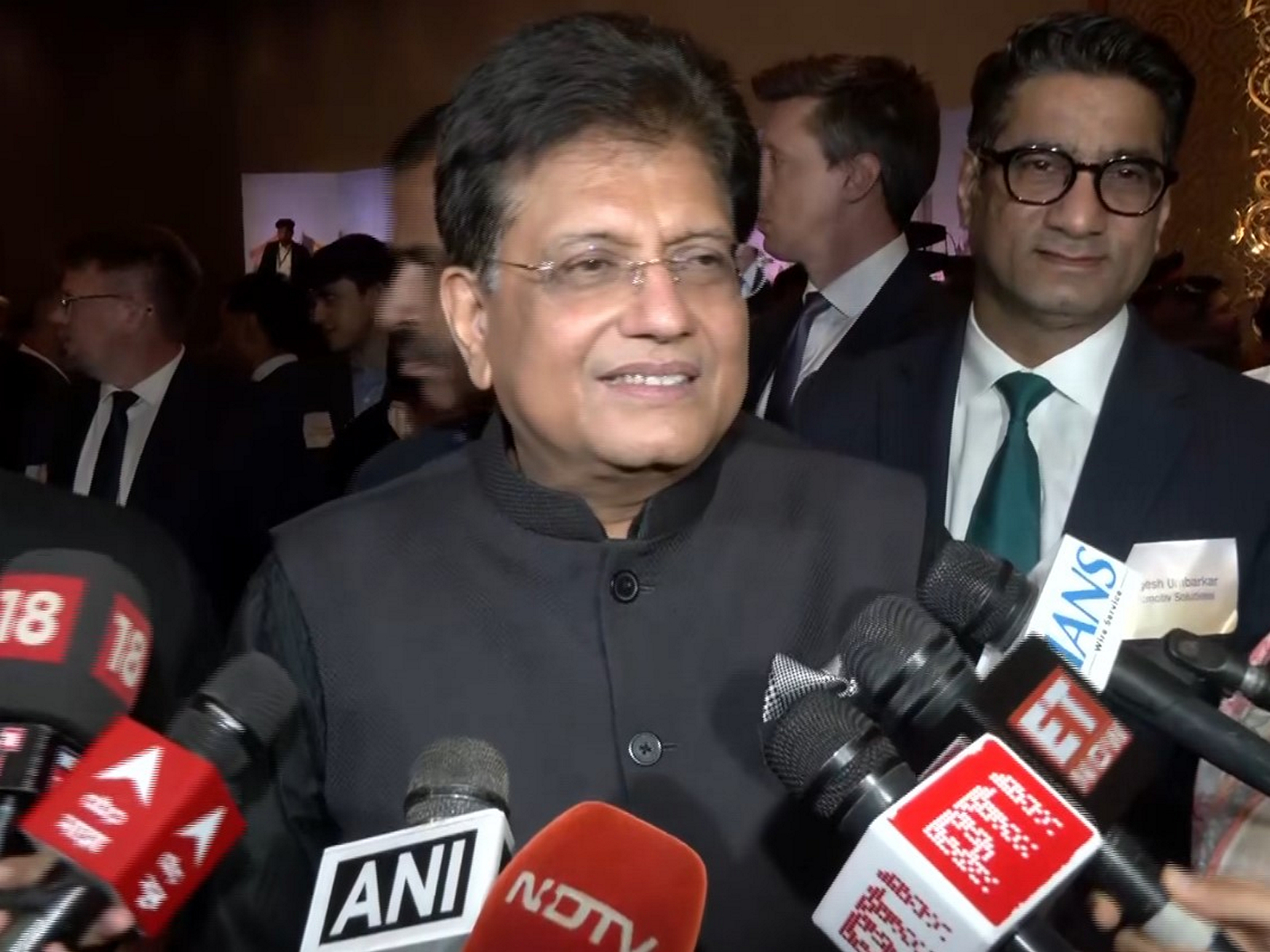
Later in the day, De Wever addressed the India-Belgium High-Level Dialogue on the India-EU Free Trade Agreement in Mumbai. Union Commerce and Industry Minister Piyush Goyal and Maharashtra Chief Minister Devendra Fadnavis were also present at the event.
The discussions focused on using the India-EU trade agreement to expand business links between India and Belgium in sectors including gems and jewellery, logistics, pharmaceuticals, food processing, maritime services, green hydrogen, semiconductors, defence and advanced manufacturing.
De Wever used the dialogue to pitch the Port of Antwerp-Bruges as an important gateway for Indian goods entering the wider European market.
“Two-thirds of the European purchasing power is in trucking range of Antwerp. What arrives in our city is not at the edge of the European market, it is inside the European market,” he said.
De Wever said the India-EU FTA would provide the foundation for significantly expanding commercial ties and make supply chains between India and Europe more predictable at a time of growing global disruptions.
“The free trade agreement is a foundation. So much can be built on it,” he said, adding that tariffs on more than 95 per cent of Indian and European goods exports would be scrapped or reduced.
He said goods including textiles, clothing, footwear, machinery and automotive components could benefit from the lower tariff barriers, creating opportunities for greater cargo movement between the two markets.
The Belgian Prime Minister also highlighted Antwerp-Bruges' existing role in sectors important to Indian exports, including food and pharmaceuticals.
He said almost all Indian shrimp entering Northwest Europe comes through Antwerp-Bruges and highlighted the port's cold-chain infrastructure for medicines.
“The port of Antwerp is the first port in the world to guarantee an unbroken cold chain. The entire logistics chain for medicines runs from quay to warehouse without a single interruption,” De Wever said.
He also identified maritime services and dredging as areas where Belgian companies could expand cooperation with India, pointing to Belgium's experience in building and deepening ports around the world.
Green hydrogen was another area highlighted for closer cooperation between the two countries.
“India has ambitious plans for the production of green hydrogen to support the energy transition. Belgium intends to become the northwest European import hub for green molecules. There are so many obvious matches,” De Wever said.
The Commerce Ministry also highlighted Antwerp-Bruges as a potential gateway for Indian exports into Europe, saying the port combines inland barge, rail and road connectivity with deepwater, roll-on/roll-off and automotive infrastructure.
De Wever also announced that a full delegation from the Antwerp-Bruges port community, including companies from terminals, logistics, chemistry and energy, would visit India in February next year.
“We are not coming to discuss what we might do. We are coming to agree on what we are going to do together,” he said.
The Belgian Prime Minister also used his address to contrast the India-Europe partnership with rising tariffs and trade barriers globally, warning that protectionism and unfair competition were putting pressure on the world economy and geopolitical stability.
“More and more voices today are calling for barriers to go up, for markets to be shut off, for tariffs to be imposed,” he said.
De Wever said India and Europe had chosen a different approach based on cooperation, openness and more predictable trading relationships.
“We are sailing through rough water, but India and Europe, we have made the choice to be that diamond. We choose another course. If we are pressured, we are pressured together, and we choose for partnership,” he said.
He said the India-EU agreement was an expression of “strategic openness” and willingness to trust, while making the economies more resilient against disruption and coercion.
“The agreement will strengthen trade between our parts of the world in the years ahead. It will open doors for companies, for students, for young talent to innovate, to build and to invest,” De Wever said.
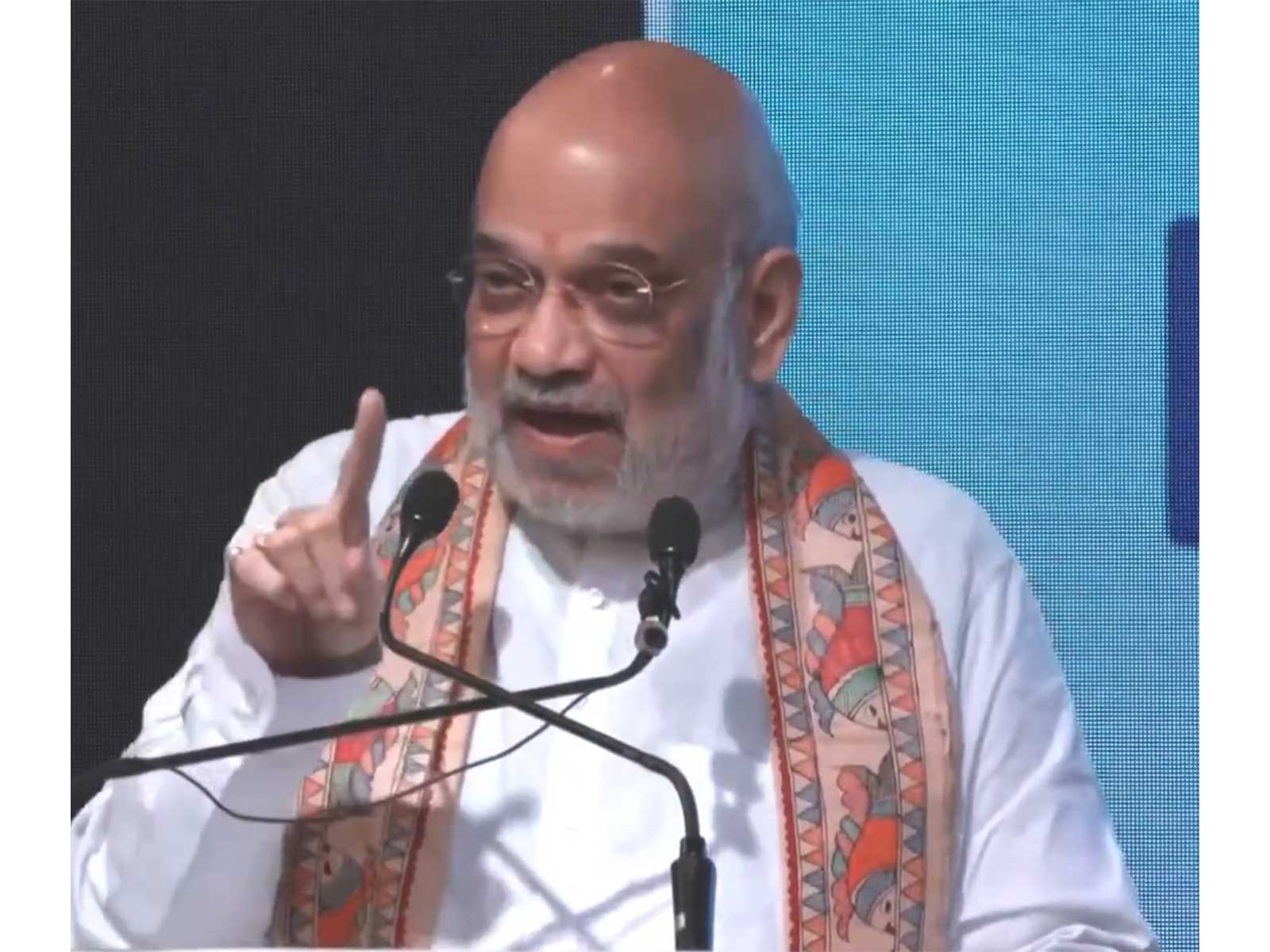
Speaking at the same event, Goyal said the India-EU FTA brings together a market of two billion people, representing a quarter of global GDP, a third of world trade and a market of USD 24 trillion.
He said India-EU trade had already doubled over the past decade to nearly USD 140 billion and identified Belgium as an important link in translating the agreement into increased trade and investment.
Goyal identified gems and jewellery, semiconductors, green hydrogen, defence and advanced manufacturing, agriculture and food processing among areas where India and Belgium could deepen cooperation.
He said Belgian technology, innovation and capital could be combined with India's scale, talent and young workforce to build businesses serving not only the Indian and European markets but other markets globally.
Referring to the difficult global trade environment, Goyal said India and Belgium had chosen to strengthen economic ties rather than retreat from global engagement.
“We choose to build, we choose to connect, we choose to work together,” Goyal said.
De Wever's Mumbai engagements came during his three-day official visit to India.
De Wever, who took office in February 2025, is visiting India for the first time as Belgian Prime Minister and is accompanied by Belgium's Minister of Defence and Foreign Trade Theo Francken, along with a high-level delegation of officials and business leaders.
India and Belgium have also moved to deepen cooperation in defence, trade, clean energy and technology.
India-Belgium bilateral trade stood at USD 10.92 billion in 2025-26, according to the Ministry of External Affairs. (ANI)
Belgian PM's Mumbai engagements focus on diamonds, India-EU trade and logistics