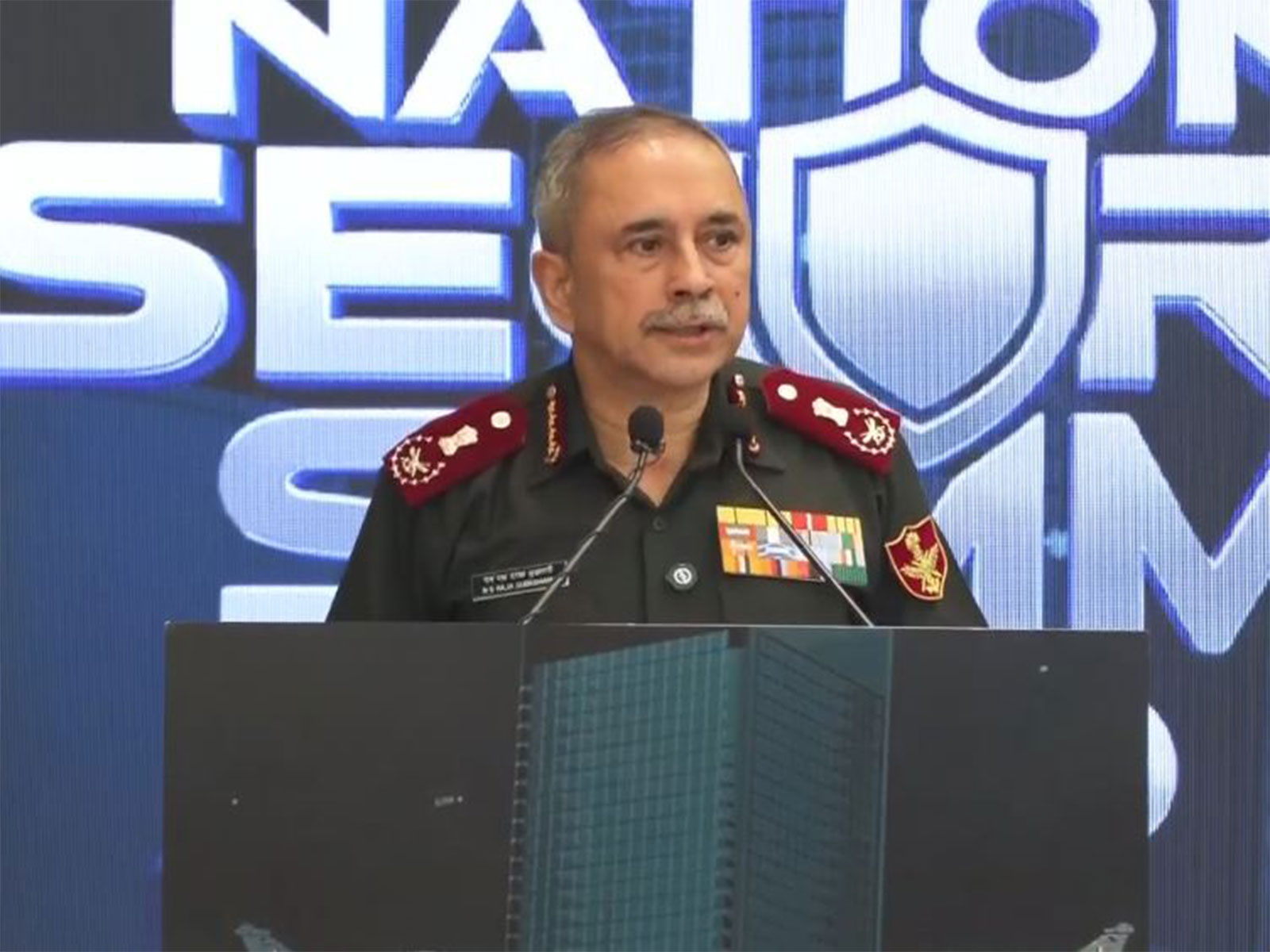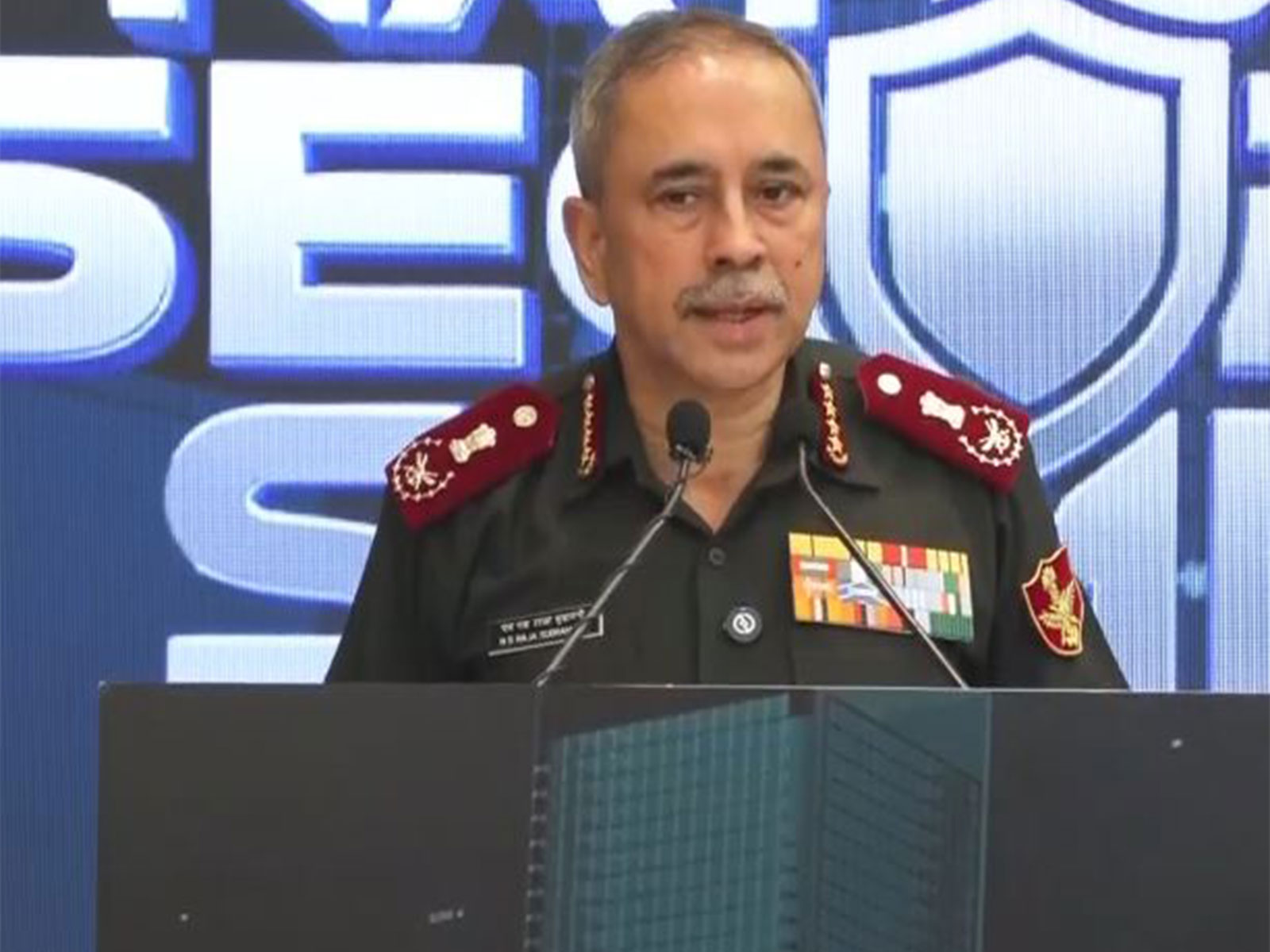
New Delhi [India], November 16 (ANI): Chief of Defence Staff (CDS) General NS Raja Subramani on Monday highlighted the importance of developing self-reliant space capabilities for India's preparedness for future warfare, citing the disruption of Starlink services during the Ukraine conflict as an example of how dependence on external satellite communication systems could affect military operations.
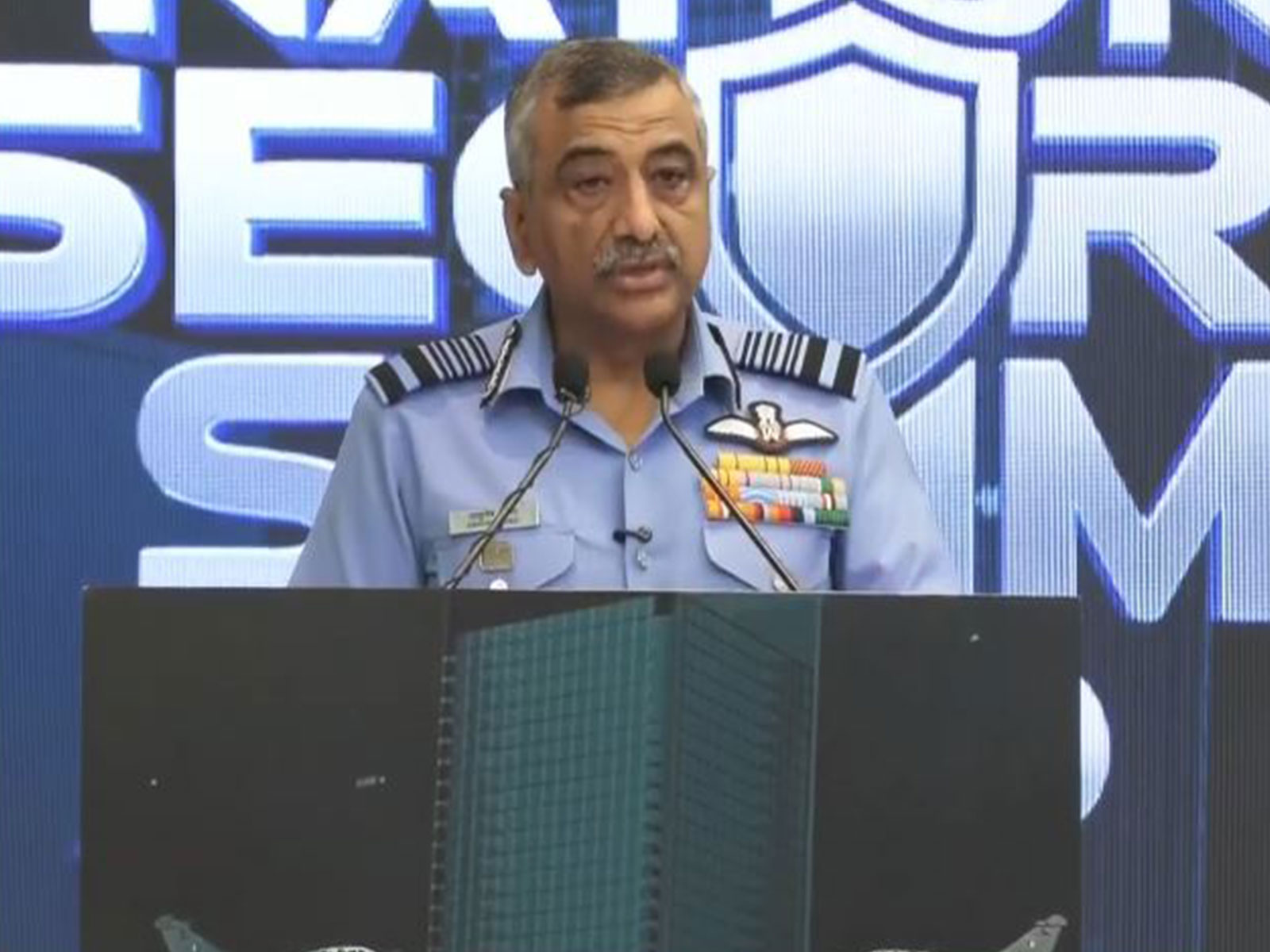
Addressing the ANI National Security Summit 3.0 in Delhi, General Raja Subramani said space had already become a key enabler of modern warfare and stressed the need for India to strengthen its capabilities in satellite-based intelligence, surveillance, reconnaissance, communication and precision navigation.
"Space will increasingly be a key enabler for fighting future warfare. We have launched Space-Based Surveillance-3 (SBS-3). That alone, once SBS 3 is fully launched, will give us a great capability, but we need to expand and increase that capability so that we have reliable ISR, we have reliable communications, we have reliable precision navigation and timing, we have reliable and resilient alien capabilities," he said.
Highlighting the vulnerability of space-based communication systems, the CDS referred to the Ukraine conflict, where the disruption of Starlink services affected the effectiveness of Ukrainian long-range drones.
"Space will also be increasingly contested. Our adversaries will try to ensure that we are denied the ability to use space. An example of which we can see in Ukraine when Starlink was denied or degraded, Ukrainian long-range drones lost their efficacy," he said.
"Therefore, it's important for us to have self-reliant space, have reliable capacity both with ISRO as well as commercial private players," he added.
His remarks come amid the ongoing debate over Starlink's proposed entry into India's satellite communications market, with concerns raised by SpaceX CEO Elon Musk over alleged attempts to obstruct the company's commercial operations in the country.
Meanwhile, the government has maintained that India welcomes all players in the satellite communications sector and that consumers would ultimately decide their service providers based on pricing, value and quality.
Three companies -- Jio, OneWeb and Starlink -- have secured licences to operate in India's satellite communications sector. However, the operators are required to fulfil prescribed security requirements, while the framework for spectrum allocation and pricing is also being finalised before commercial services can be rolled out.
Moving beyond space capabilities, the CDS outlined five key areas that India needs to focus on to strengthen its self-reliance and preparedness for future wars: space, algorithmic and data warfare, defence manufacturing, modernisation of legacy systems and development of human talent.
On the growing role of artificial intelligence in warfare, he said data, computing power, energy and access to adequate talent would be critical enablers.
"Increasingly, artificial intelligence will play a key role in today and in future warfare. And enablers of artificial intelligence and algorithmic warfare are data, compute, energy, and the ability and access to adequate talent," he said.
He added that the defence forces were working to streamline data, establish clear standards and ensure that information reached those who needed it within the required timeframe through enhanced networks.
Emphasising the need to strengthen domestic defence manufacturing, General Raja Subramani said achieving self-reliance would require India to develop capabilities to manufacture critical components rather than merely assembling or producing complete systems.
"As far as Atmanirbharta is concerned, it is not enough for our industry to only make systems. We also need to work on the critical components that we require, whether it be servos, whether it be magnetometers, whether it be sensors, we need to manufacture it ourselves or at least have the IP and the technology to manufacture it at scale," he said.
He further stressed that domestic industries must develop the capacity to manufacture at scale and increase production when required.
On legacy military equipment, the CDS said India would continue to operate a combination of older and modern systems and called for upgrading existing platforms with artificial intelligence and open architectures to enable better integration.
"No country can hope to have all modern equipment. So we will still have to fight with a mixture of legacy and modern systems. We should look at modernising our legacy systems, equipping them with AI, looking at modern systems which have open architecture so that they can be networked with other systems," he said.
"Today we cannot afford to have isolated systems fighting. We have to have a network of systems," he added.
Highlighting the importance of human resources, he said technological advancement and industrial capacity would not be sufficient without developing skilled personnel across the defence forces, industry and academia.
"No amount of technology, no amount of Atmanirbharta, no amount of industrial capacity will succeed if we do not develop our talent," he said.
Outlining the expectations of the defence forces from domestic industries, academia, startups and technology companies, the CDS called for closer collaboration to develop operationally effective solutions.
He said the defence forces would communicate their operational requirements to industries rather than prescribe specific equipment, encouraging manufacturers to work closely with military personnel and improve their products through an iterative process.
"We are happy if you are able to meet 60 to 70% of our requirement with indigenous resources, but those resources and the IP should be under your control. Only then will we be able to rapidly improve upon it," he said.
He also urged industries to deploy engineers in forward areas to understand operational requirements and improve equipment through field-based feedback.
Calling on academia to focus on research with practical outcomes, he said researchers should work closely with end users to understand and address their requirements.
For startups, he said their agility and capabilities could help rapidly expand India's emerging defence technology ecosystem, while technology companies should contribute to developing software-driven military capabilities.
"Today's warfare will be increasingly defined by the software that underpins the hardware," he said, adding that artificial intelligence and machine learning could help the armed forces make faster decisions, improve planning, logistics, surveillance and intelligence.
Concluding his address, General Raja Subramani expressed confidence in India's technological and manufacturing capabilities, calling for collective efforts to strengthen the country's ability to sustain and win future wars.
"What we need to do now is to work together, harness all our talents, synergise, and focus on ensuring that we can rapidly develop our manufacturing capability, rapidly develop our technological acumen so that we can fight with what we have," he said.
He stressed the importance of developing manufacturing capacity at scale and maintaining quality to ensure that India could not only fight but also sustain and win any future conflict. (ANI)
CDS Gen Raja Subramani flags Starlink satellite disruption in Ukraine, stresses need for India's self-reliant space capabilities