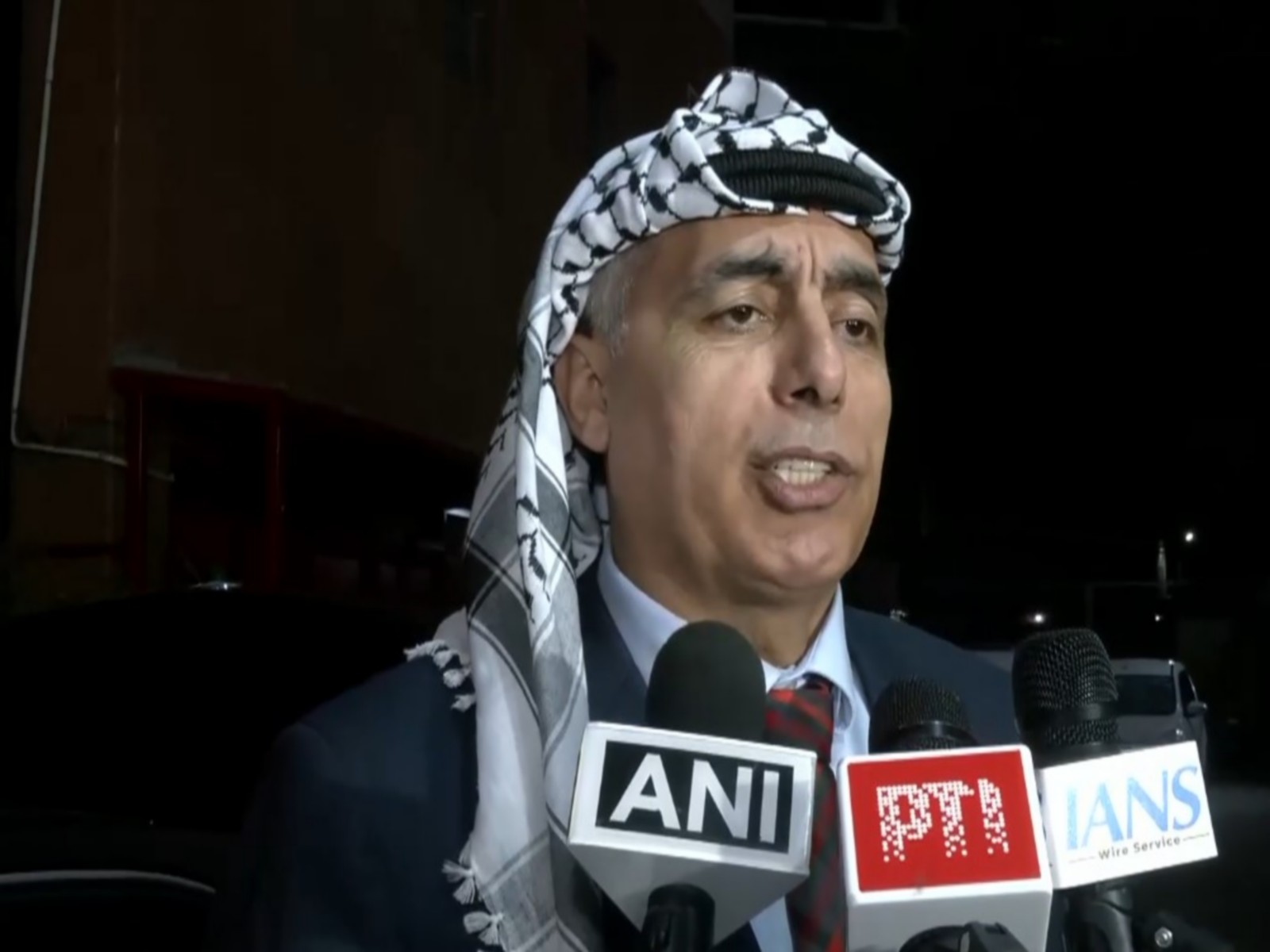
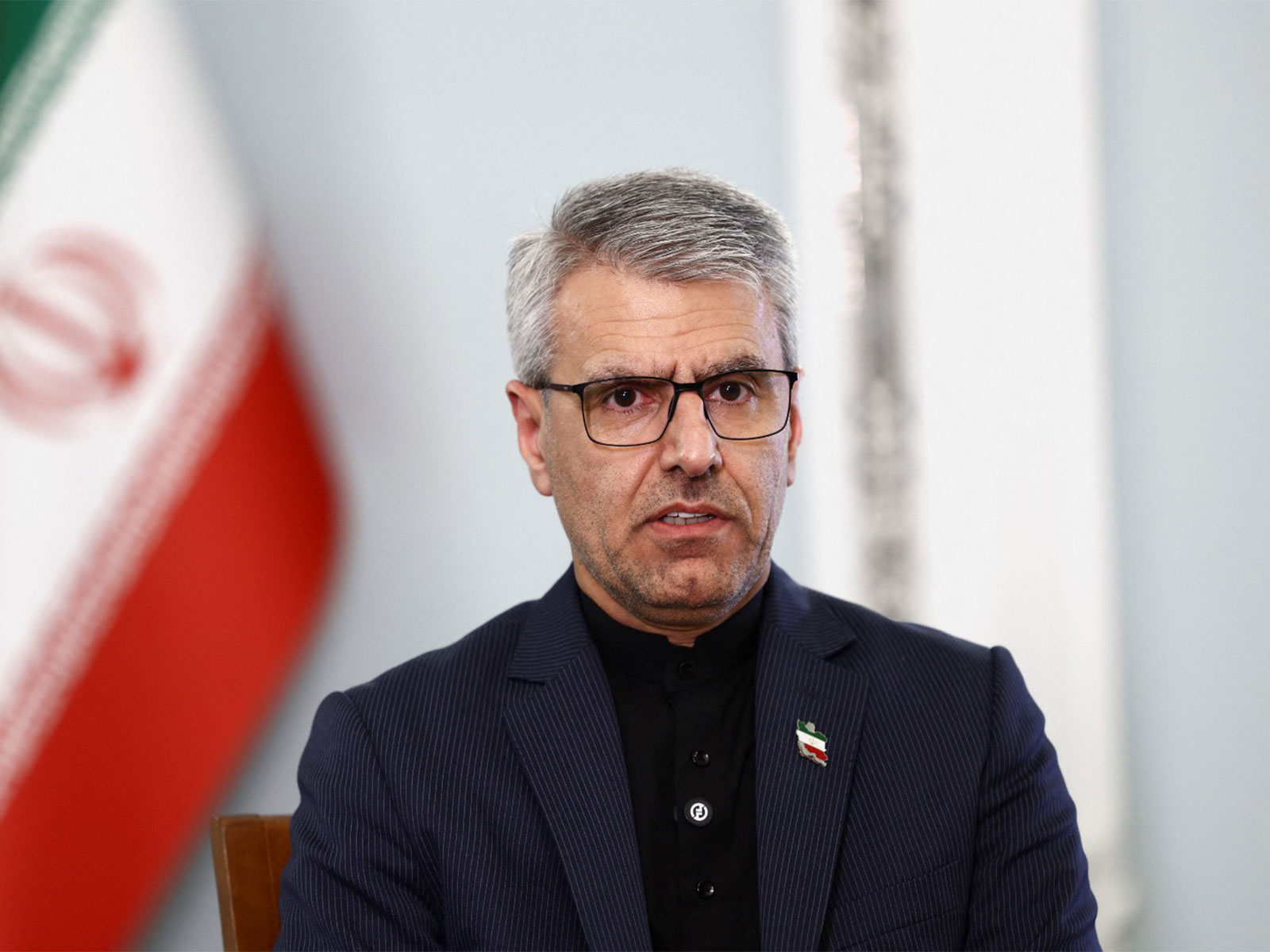
Tehran [Iran], November 19 (ANI): Iranian Foreign Ministry spokesperson Esmaeil Baghaei on Wednesday (local time) criticised International Atomic Energy Agency (IAEA) Director General Rafael Grossi over his remarks that there was no “double standard” in the treatment of Israel and Iran concerning the verification of nuclear activities, questioning why Israel remains outside comprehensive nuclear safeguards despite possessing a nuclear arsenal.
In a statement posted on X, Baghaei challenged Grossi's assertion that the difference in the two countries' treatment was based on their respective status under the Treaty on the Non-Proliferation of Nuclear Weapons (NPT).
Quoting Grossi, Baghaei said: “IAEA Director General Grossi has stated: '[...] there is no double standard. If Israel was a state party to the NPT and I was treating Iran and Israel differently, then there would be a double standard'.”
Responding to the remarks, the Iranian spokesperson argued that the distinction based on formal legal status failed to address the IAEA's broader responsibility to ensure impartiality and advance nuclear non-proliferation.
“This response confuses formal legal status with institutional responsibility and impartiality. The real question is why a genocidal occupying entity possessing a nuclear arsenal remains outside comprehensive safeguards, and how this inequality can be reconciled with the stated objectives of the non-proliferation regime,” Baghaei said.
IAEA Director General Grossi has stated: "[...] there is no double standard. If Israel was a state party to the NPT and I was treating Iran and Israel differently then there would be a double standard." This response confuses formal legal status with institutional responsibility and impartiality. The real question is why a genocidal occupying entity possessing a nuclear arsenal remains outside comprehensive safeguards, and how this inequality can be reconciled with the stated objectives of the non-proliferation regime. Grossi appears to have overlooked the landmark 1995 Resolution on the Middle East, adopted with the endorsement of the US, Russia, and the UK. That resolution called for all in the Middle East, “without exception,” to accede to the NPT and place all their nuclear facilities under comprehensive IAEA safeguards. The 2000 NPT Review Conference specifically reaffirmed the importance of Israel’s accession to the Treaty and its acceptance of comprehensive safeguards. This resolution formed an integral part of the package of agreements that made the indefinite extension of the NPT possible. The question of Israeli regime is therefore not a new political demand; it is rooted in the historical commitments and understandings that underpinned the non-proliferation regime itself. The IAEA cannot invoke this formal distinction to dismiss questions about the NPT’s failure to achieve universality and the resulting inequality in nuclear security in the region. If NPT membership is the basis for holding Iran accountable, then Israel’s non-membership must not be allowed to serve as a permanent shield against demands that it accede to the Treaty and accept comprehensive safeguards. Impartiality cannot be measured solely by how the Agency enforces the obligations of existing members while remaining silent about the regime’s failure to address those that remain outside it. The IAEA’s double standards do not end there. Regarding incidents at Ukraine’s Zaporizhzhia Nuclear Power Plant, Grossi explicitly stated: “I condemn any violent action inside or around the plant.” Yet after the United States and Israel bombed Iran’s nuclear facilities, he limited himself to the general assertion that nuclear facilities should not be attacked, refraining from explicitly condemning those responsible. When “I condemn” is used in one case and carefully qualified language is substituted in the other, the double standard is unmistakable. It undermines the credibility of the Agency and weakens the foundations of the non-proliferation regime.
— Esmaeil Baqaei (@IRIMFA_SPOX) November 18, 2026
He further accused Grossi of overlooking the 1995 Resolution on the Middle East, which was adopted with the endorsement of the United States, Russia and the United Kingdom and called for all countries in the region, “without exception,” to accede to the NPT and place all their nuclear facilities under comprehensive IAEA safeguards.
Baghaei also referred to the 2000 NPT Review Conference, which specifically reaffirmed the importance of Israel's accession to the Treaty and its acceptance of comprehensive safeguards.
He said the resolution was an integral part of the package of agreements that made the indefinite extension of the NPT possible, arguing that the issue of Israel's nuclear status was not a new political demand but was rooted in the historical commitments and understandings that underpinned the non-proliferation regime.
“The IAEA cannot invoke this formal distinction to dismiss questions about the NPT’s failure to achieve universality and the resulting inequality in nuclear security in the region,” he said.
Further questioning the Agency's approach, Baghaei maintained that Israel's non-membership of the NPT should not shield it from demands to join the Treaty and accept comprehensive safeguards.
“If NPT membership is the basis for holding Iran accountable, then Israel’s non-membership must not be allowed to serve as a permanent shield against demands that it accede to the Treaty and accept comprehensive safeguards. Impartiality cannot be measured solely by how the Agency enforces the obligations of existing members while remaining silent about the regime’s failure to address those that remain outside it,” he said.
Baghaei also accused Grossi of adopting different approaches while responding to incidents involving nuclear facilities in Ukraine and Iran, citing the IAEA chief's remarks on the Zaporizhzhia Nuclear Power Plant.
He pointed out that Grossi had explicitly condemned violent actions inside or around the Ukrainian nuclear facility, stating: “I condemn any violent action inside or around the plant.”
However, Baghaei alleged that Grossi adopted a different tone following the US-Israel strikes on Iran's nuclear facilities, limiting his response to a general assertion that nuclear facilities should not be attacked without explicitly condemning those responsible.
“When ‘I condemn’ is used in one case and carefully qualified language is substituted in the other, the double standard is unmistakable. It undermines the credibility of the Agency and weakens the foundations of the non-proliferation regime,” Baghaei said.
Israel has never officially acknowledged possessing nuclear weapons, although some Israeli officials have previously made remarks suggesting their possible deployment. It is widely believed internationally that Israel possesses a nuclear arsenal. (ANI)