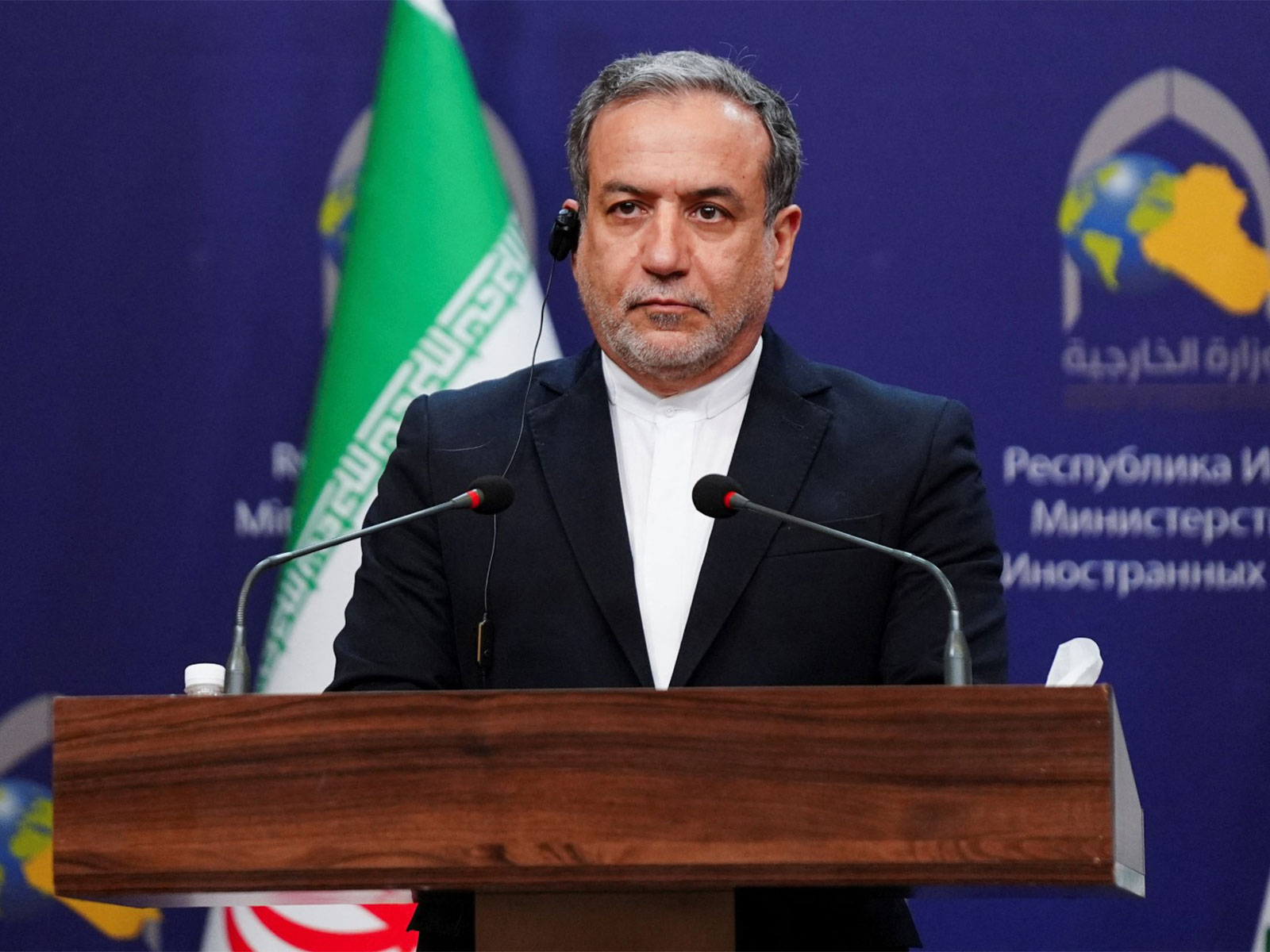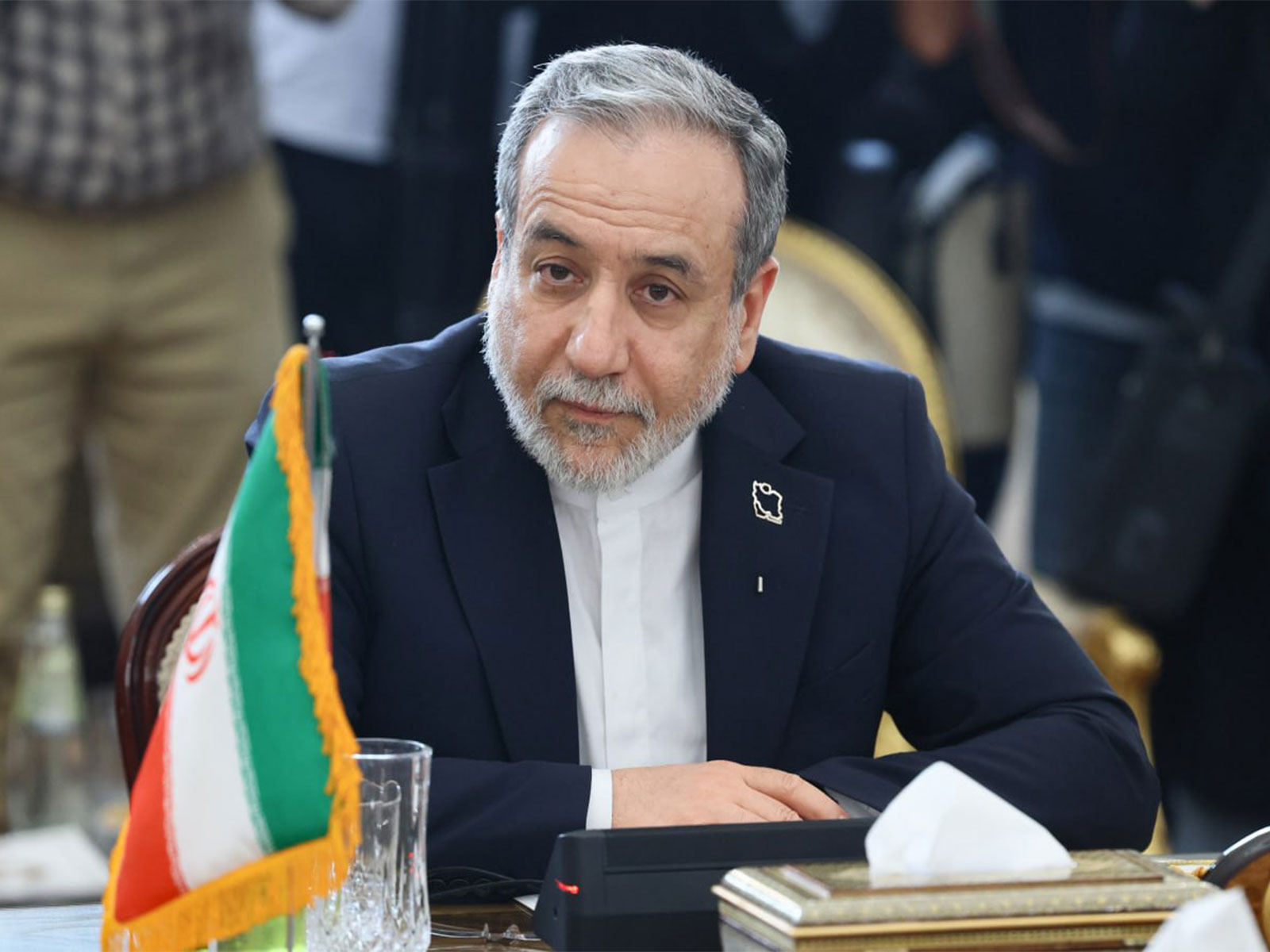
Tehran [Iran], October 21 (ANI): Iranian Foreign Minister Abbas Araghchi has declared that the Strait of Hormuz will remain closed to maritime traffic until the United States accepts Tehran's terms and fulfils its existing diplomatic commitments.
Speaking in an interview with Iraq's Al-Ikhbariya network, relayed by state broadcaster IRIB, Araghchi emphasised that Washington must first adhere to the terms of the previously signed Islamabad Memorandum of Understanding before any broader negotiations can take place.
"Our position on the Strait of Hormuz is clear and unambiguous; we have previously announced and emphasised it," Araghchi stated. "The American side must accept our conditions to open the strait to ships and vessels. Before such an understanding or agreement is reached, the strait will naturally be closed, and the movement of ships and vessels through the strait and existing routes will face problems."
Araghchi made it clear that Tehran will not enter into fresh negotiations on other issues until Washington honours its earlier promises.
"What we want from the American side is adherence to all the commitments contained in the Islamabad Memorandum of Understanding that was signed earlier," Araghchi said. "After they adhere to these commitments, we can enter into negotiations on other cases."
Addressing ongoing diplomatic channels, Araghchi revealed that indirect communications with Washington are continuing through regional intermediaries, including Pakistan and Qatar. He referenced a proposal previously submitted by Iran known as the "Seven-Day Plan".
"Our negotiations with the American side through intermediary countries, including Pakistan and Qatar, are continuing continuously," he noted. "We previously presented an initiative to the American side called the Seven-Day Plan, in which we clearly stated our conditions."
According to Araghchi, the proposal outlined a timeline for reopening the vital waterway. "The Strait of Hormuz was supposed to be fully opened on the sixth day of this period," he said, adding that while Washington signaled agreement, it sought to introduce additional clauses on topics already addressed in prior talks.
Araghchi noted that "in the final stage of negotiations, any issue or problem raised by either party can be discussed and a final agreement can be reached".
Rejecting American economic and military pressure, Araghchi affirmed that Washington's efforts to isolate Iran or force its surrender through coercion or regional pressure will fail.
"We have entered a deep quagmire, and therefore we are witnessing military threats, the imposition of economic sanctions, and the imposition of new sanctions," Araghchi said. He added that US attempts to pressure neighbouring states against cooperating with Iran have not received a positive response.
"The American side should know that these measures will not work," Araghchi warned. "Iran will not surrender in any way, neither to economic sanctions nor to military threats. The only appropriate solution is diplomacy and a negotiated solution."
Clarifying Iran's position on the legal framework governing the waterway, Araghchi underscored that the Strait of Hormuz lies entirely within territorial waters.
"The Strait of Hormuz is located in the internal waters of Iran and Oman and has no connection with international waters," Araghchi stated. "If the Strait of Hormuz were to open one day, the route that Iran and Oman have agreed upon would be the actual and agreed-upon route for ships to pass through; not another route."
He added that Iran and Oman have already reached an agreement regarding shipping lanes in the strait and are currently awaiting its international registration.
Araghchi's remarks come amid continuing tensions between Tehran and Washington, with both sides exchanging accusations over the conflict and the prospects for diplomatic engagement. (ANI)
"Hormuz is closed until America accepts our conditions": Araghchi demands US to honour MoU commitments