New Delhi [India], September 10 (ANI): I must confess that when I try to look for a smartphone ranging between Rs 41k and Rs 47k, there are very few options to suggest. Then I came across the Redmi Turbo 5, which has a spec sheet packed to make benchmark enthusiasts swoon. So, I decided to test it for a longer period of over two months to figure out if it actually lives up to all the hype.
Design and Build:
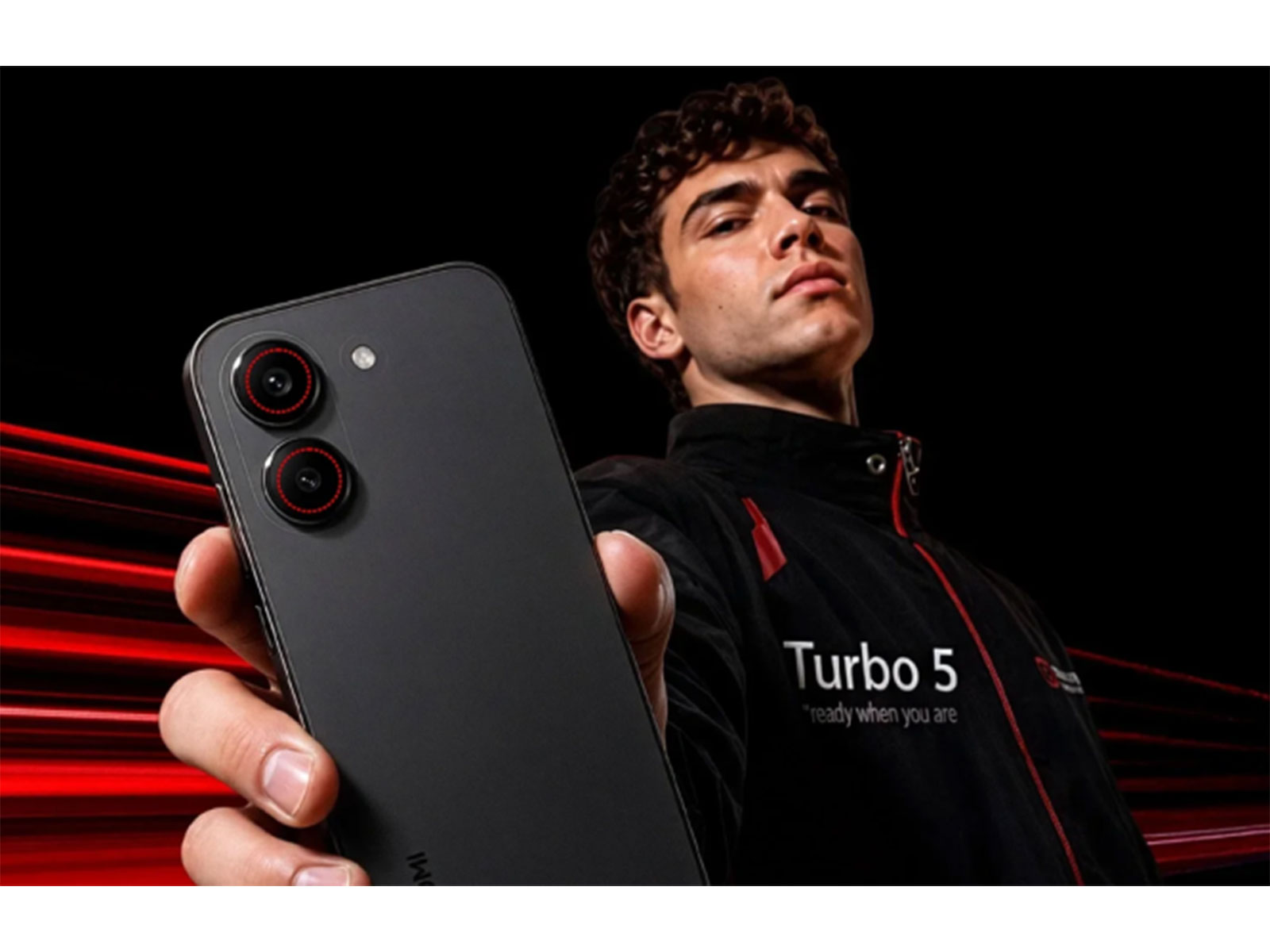
When I unboxed the unit, it reminded me of the iPhone 16 or the Poco X8 Pro, as this one has a flat metal frame, rounded corners, and a glass back. It weighs just a little over 200 grams, but it’s surprisingly well balanced and feels good to hold in my hand. There are all sorts of IP ratings too, like the IP66, IP68, IP69, and IP69K, so there is peace of mind against all sorts of rough handling.
Now, let me state a feature that has become a conversation starter: the camera module. Xiaomi has placed the lenses with RPM (Redmi Pixel Matrix) lights. These are basically segmented LED rings that pulse in eight different colors for notifications, incoming calls, gaming, and music. Though vaguely, it does resemble the shift lights on a race car. I am not sure if it adds anything that makes sense for real, but it adds a dose of personality to a sea of boring glass slabs. I treat it like a party trick that I ended up enjoying far more than I expected.
Display and Audio:
The front of the phone has a 6.59-inch 1.5K AMOLED display supporting a 120Hz refresh rate. It has Dolby Vision, HDR10+, and a peak brightness of 3,500 nits, so yes, despite being three months old, the screen is bordering on obnoxiously well-equipped for this price bracket.
Irrespective of whether I’m trying Google Maps in direct Delhi sunlight or watching these color-heavy shows, the panel remains bright, fluid, and punchy. However, I am not a fan of the stereo speakers that contrast with the flagship-grade visual experience. The stereo speakers are loud enough to fill a room, but they lack the low-end bass that I terribly miss while watching action sequences or listening to bass-heavy tracks. It’s been over two months, but it feels like watching a blockbuster in a tin can whenever I try to watch anything on this phone.
Performance and Battery:
Xiaomi has a Dimensity 8500-Ultra, which clocks up to 3.4GHz for this phone, and I never had any problems while going through my daily tasks, multitasking, and gaming. In fact, it flies so nicely, but the moment I decide to push this phone to its limits, I face a thermal threshold. In all fairness, thermal problems are quite common in most phones, but this one is positioned differently. It’s supposed to offer exceptional thermal capabilities, especially when I am gaming. During my extended, heavy use, the phone tends to heat up. I can only hope to see Xiaomi fix this issue via a software update soon. Point to be noted: my overall gaming experience is great; the thermal issue only happens when I take it to the extreme, and even then, I get nothing less than 60fps. That way, there are far more expensive phones that can’t do half of what this phone can when it comes to a seamless gaming experience.
But I am more impressed by the endurance of the Turbo 5, where I don’t have to worry about using this phone even under harsh conditions. Plus, the 7,540mAh silicon-carbon battery lasts for 1.5 days with heavy usage. They have added a 100W charger in the box, so in just 70-75 minutes, this phone is fully charged from a complete zero. The 27W reverse wired charging is the cherry on top, where I have charged my earbuds so many times.
Cameras:
I have a theory about performance-focused phones where camera performance is always an afterthought. Not in the case of this phone, where its primary 50MP Sony IMX882 sensor (with OIS) is a pleasant surprise. The daylight captures are pleasing, where I get natural colours and good handling of HDR processing. There is a consistent balance of bright skies and dark shadows without blowing out the highlights. Heck, even the portrait mode consistently nails edge detection.
But this is where the secondary camera proved my earlier stated theory. The 8MP ultrawide feels like it was included merely for the spec sheet, and I missed a telephoto lens a lot. More than anything else, it’s the inconsistency in low-light videos. Mind you, it’s absolutely good for Instagram-ready shots and such things, as the main sensor easily does the heavy lifting.
In the end:
Just like all phones, the Redmi Turbo 5 is not without its flaws. Plus, it shares DNA with its Poco siblings; the speakers lack depth, and the thermal management under peak load needs optimisation. However, priced between Rs 41k and 47k, it makes a convincing case for itself. Even after three months of usage, I am amazed at the display and battery life with a premium, lightning-fast experience. Plus, with the quirky RPM lights, this phone is fun to use.
So, if you are a photography purist who relies heavily on versatile focal lengths and dedicated telephoto lenses, you might want to look elsewhere. However, if you are a mobile gamer or a power user who wants a resilient daily driver with great battery life along with a bit of visual flair, the Turbo 5 is a compelling contender that shouldn't be ignored. Sometimes, you need to re-look at something to understand its potential, and my two months with this device made me realise that this phone is exactly that.
My rating: 4/5
(Disclaimer: The author is an expert in the fields of lifestyle, consumer tech and auto. Views shared here are personal.) (ANI)
Long-term review of Redmi Turbo 5: Most underrated phone?