Mumbai (Maharashtra) [India], September 29 (ANI): In a move to preserve Tata Sons Private Limited (TSPL) as an unlisted private entity, Tata Trusts—which holds a 66% controlling stake—has proposed merging operating companies Tata Electronics Systems Solutions (TESS) and Tata Consulting Engineers (TCE) into TSPL.
The reorganisation aims to alter the group holding company's asset structure, stripping it of its NBFC classification.
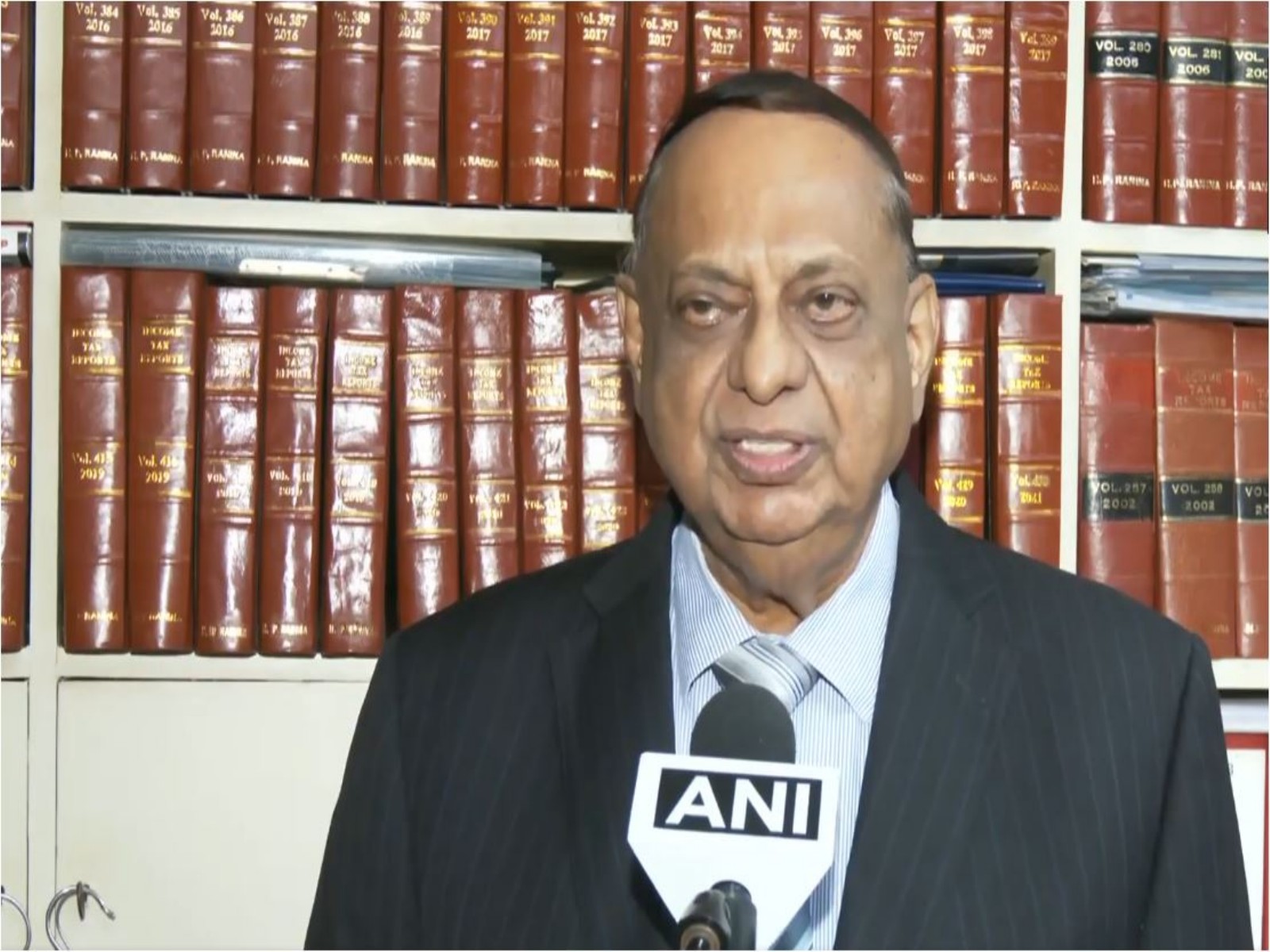
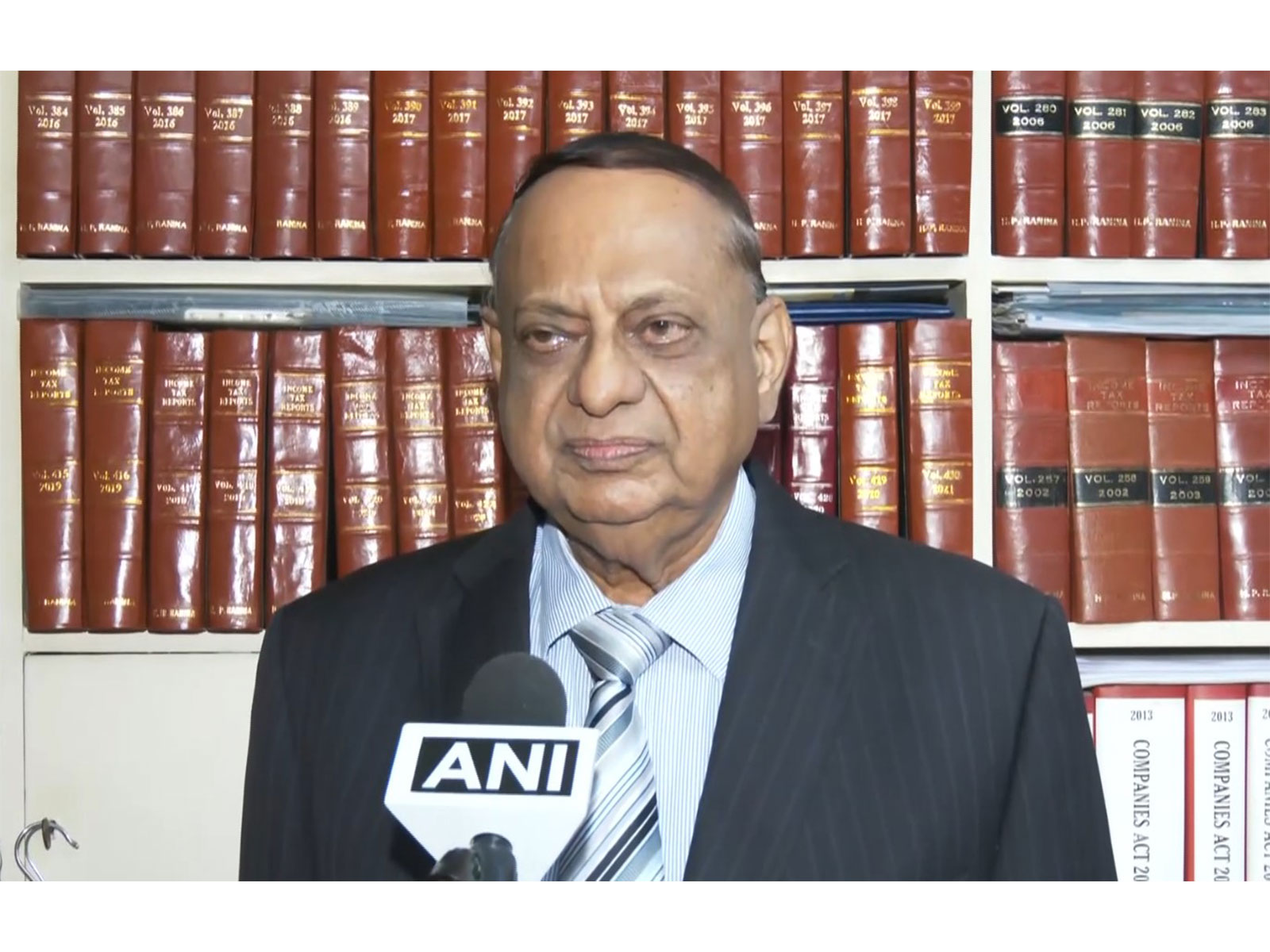
Weighing in on the regulatory shift, advocate and corporate law expert HP Ranina told ANI that if it becomes an operating company and ceases to derive a major portion of its income from investments or hold major investments, it will cease to be an NBFC.
“Once the merger takes place, the company will only have to inform the RBI that it no longer falls within the RBI’s guidelines for a non-banking financial company and, therefore, should be deregistered."
According to Tata Trusts, the structure restores an operating model for TSPL, generating direct business revenues alongside its holding role. Post-merger, projected operating revenues as of March 31, 2026, will reach Rs 1,05,043 crore (64.3% of total income), compared to Rs 40,072 crore in income from financial assets.
Under RBI criteria, a firm is classified as an NBFC if over 50% of its income derives from investments or if investment assets exceed total assets. CIC status requires group company investments to constitute at least 90% of aggregate net assets. Post-merger, TSPL will fall outside both thresholds, bypassing upper-layer NBFC listing requirements.
Addressing concerns over whether merging operating entities to avoid mandatory listing constitutes regulatory evasion, Ranina explained, "If a company’s primary income ceases to arise from investments, it stops being classified as a Non-Banking Financial Company. Once the merger goes through and Tata Sons becomes an operating entity, it only needs to inform the RBI for de-registration. No prior permission is necessary."
However, the transaction must still comply with the RBI’s Non-Banking Financial Companies – Voluntary Amalgamation Directions, 2025, including obtaining a prior No-Objection Certificate.
The proposal follows sharp friction between Tata Trusts and the TSPL board. In September 2026, after the RBI rejected TSPL’s request to drop its "Upper Layer" NBFC status, the board voted 4-1 to proceed with listing steps and extend N. Chandrasekaran’s term as Executive Chairman. Noel Tata, representing Tata Trusts, voted against both measures.
Clarifying the legal framework governing leadership appointments, Ranina emphasised,
"Under the Articles of Association, it is stipulated that there must be an affirmative vote of the majority of the trustees who are nominated as directors. Unless the affirmative vote is given by the directors who are nominees of Tata Trusts, the appointment cannot go through. The Supreme Court decided this point three years ago, holding that the affirmative vote requirement is entirely valid."
Furthermore, Ranina highlighted that shareholder majority remains absolute on corporate restructurings, discounting minority objections, and said, "Directors have no power to decide this; it is a decision of the shareholders. At the AGM, the Trusts hold 66 per cent voting rights and can pass the resolution. Holders of an 18.37 per cent stake in a private company have no legal power to object or demand board representation."
Tata Group entities hold roughly 13% of TSPL. Tata Trusts has formally written to the board to approve the proposal, engage with the RBI, and honor trust resolutions to keep TSPL private. (ANI)
Once merger proposed by Tata Trusts takes place, TSPL will only have to inform RBI on shedding NBFC status: Expert