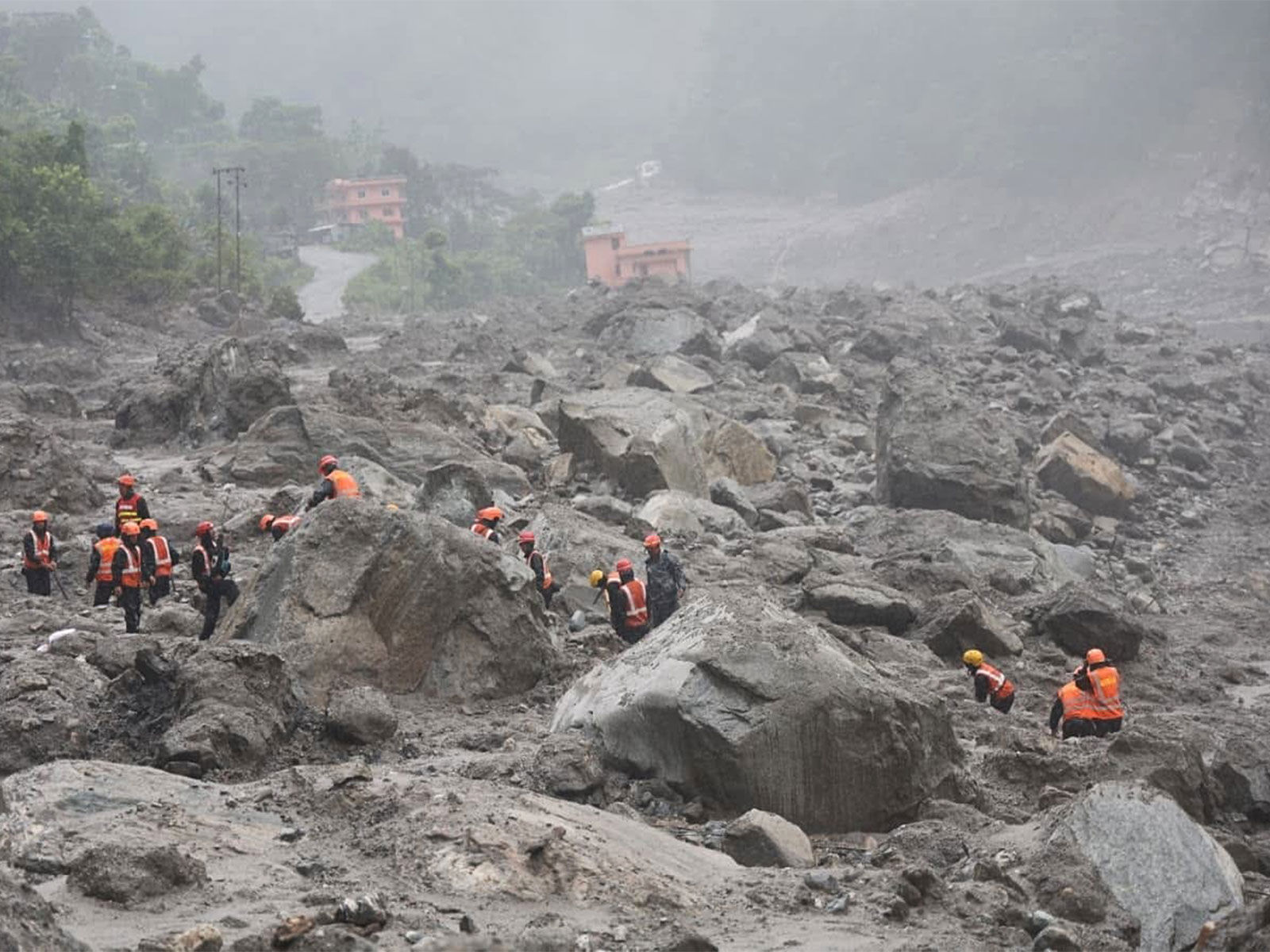
Shimla (Himachal Pradesh) [India] August 30 (ANI): The Himachal Pradesh government is monitoring reports of residents from the state who may have been affected by the recent floods and natural disaster in Nepal, with at least one person reported missing, Pushpinder Rana, Special Secretary, Disaster Management, Himachal Pradesh government, said on Saturday.
Authorities are working to ascertain the whereabouts of the missing person and are also checking information concerning other Himachal residents who may have travelled to Nepal for tourism, business or other purposes.
The development comes as Himachal Pradesh continues to grapple with a severe monsoon season, during which 249 people lost their lives between June 30 and August 28, according to state disaster management officials.
According to data compiled by the Himachal Pradesh State Emergency Operations Centre (SEOC), 103 deaths were attributed to monsoon-related incidents and hazards, while 146 people were killed in road accidents during the same period.
The state has also reported 32 people missing and 297 injured during the period.
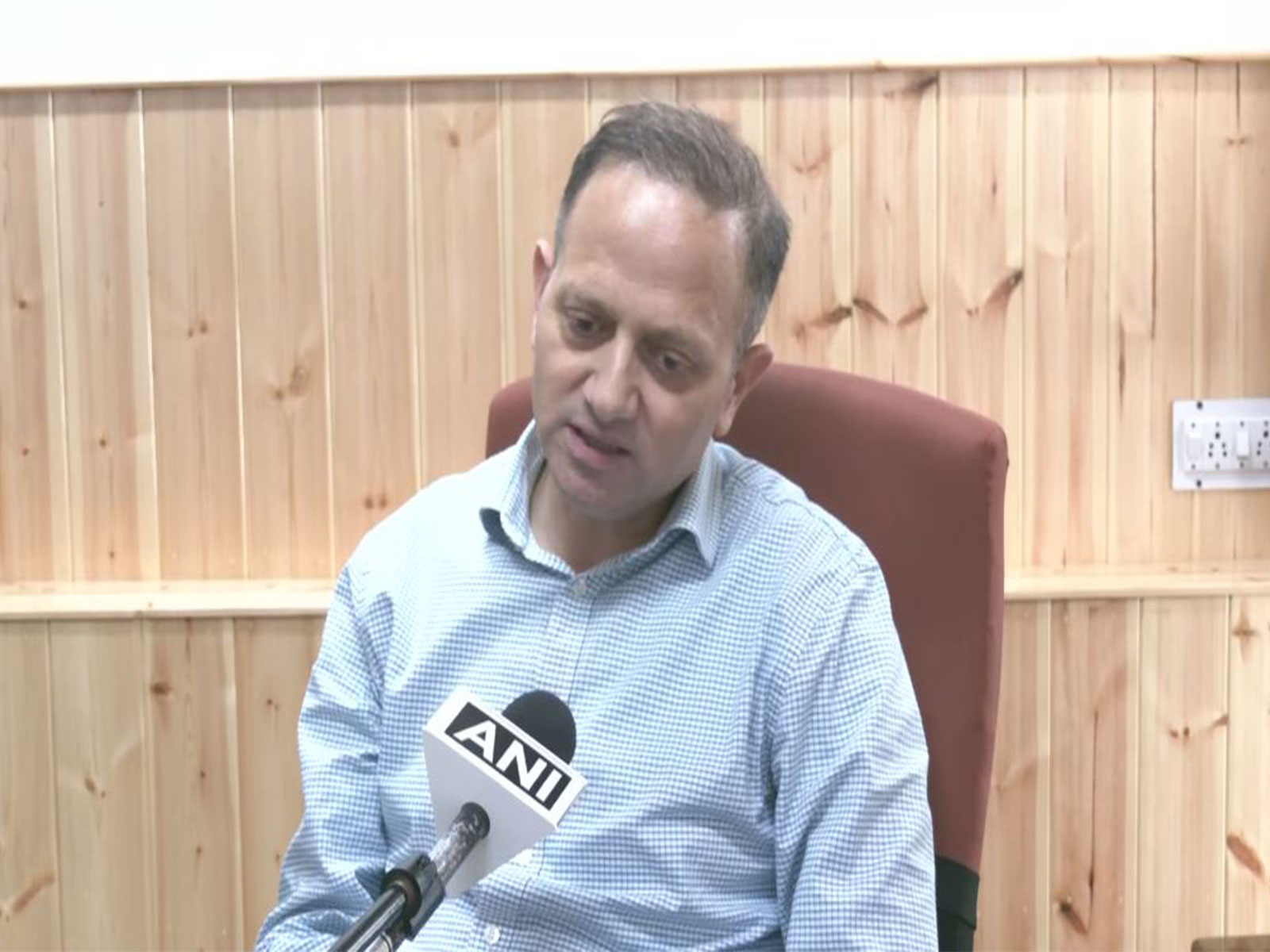
Speaking to ANI in Shimla, Rana said authorities were monitoring information regarding Himachal residents who could have been caught in the Nepal disaster and were coordinating with the relevant authorities to establish their status.
The open-border arrangement between India and Nepal also makes it difficult for authorities to maintain a comprehensive record of every person from Himachal Pradesh travelling to the neighbouring country.
Officials are therefore seeking information from families who suspect that relatives who travelled to Nepal may be missing or uncontactable so that the cases can be taken up with the appropriate authorities.
The administration is also trying to establish whether people connected with organisations, businesses or projects in Nepal have been affected.
The Nepal disaster has also reinforced concerns among disaster management authorities about the unpredictable nature of hazards in the Himalayan region.
Rana said recent incidents had demonstrated that major disasters can occur without the conventional warning signs normally associated with intense rainfall.
He said the experience underlined the importance of continuous monitoring of vulnerable areas, scientific assessment and stronger early-warning mechanisms across the Himalayan region.
The concern extends beyond individual states because Himalayan river systems, glaciers and high-altitude lakes are spread across national boundaries.
Rana said greater exchange of information and scientific knowledge between countries sharing the Himalayan region was required to understand developments in upstream areas that could potentially affect downstream communities.
Himachal continues to face multiple monsoon hazards. The latest monsoon figures underline the scale of the disaster burden facing Himachal Pradesh.
Of the 249 deaths recorded between June 30 and August 28, 103 were caused by rain-related incidents and other monsoon hazards, while road crashes accounted for another 146 fatalities.
Rana further stated that the Himalayan region, being a fragile landscape, is continuously undergoing changes, which makes natural disasters somewhat inevitable in such an environment. In this backdrop, Rana emphasised that the infrastructure built in the state should be disaster-resilient.
"The Himalayan landscape is fragile--it is inherently delicate, and the mountains are still undergoing changes. In such an environment, disasters are somewhat inevitable. Therefore, we must ensure that any developmental, economic, or other interventions in this landscape are risk-informed and that our infrastructure is disaster-resilient... So far, we have recorded 249 human fatalities, of which 146 were caused by road accidents. Regarding losses, specifically concerning recovery and reconstruction, the figure has reached at least Rs 2,000 to Rs 2,500 crore..." said Rana.
The state has simultaneously reported damage from landslides, flash floods, cloudbursts and other extreme weather events, along with disruptions to roads and other infrastructure.
The disaster management authorities have been maintaining round-the-clock emergency response mechanisms at both the state and district levels.
The state's emergency helpline 1077 is available for reporting emergencies and potential hazards.
Rana said information received through various channels is assessed and verified before being acted upon, with the state also maintaining contact with the India Meteorological Department (IMD).
He said the administration was maintaining a list of vulnerable locations and potential sources from which information about emerging hazards could be received.
The combination of the Nepal disaster and continuing monsoon losses in Himachal Pradesh has reinforced the need for a comprehensive disaster preparedness system, officials said.
Such a system would need to integrate weather information, satellite observations, ground reports, scientific monitoring, early-warning systems, emergency communication and rapid response.
The challenge is particularly acute in Himachal Pradesh because many vulnerable settlements and infrastructure corridors are located in narrow Himalayan valleys and downstream of unstable slopes, glaciers and high-altitude water bodies.
Experts have also stressed the importance of monitoring glacial lakes because sudden releases of water can generate glacial lake outburst floods (GLOFs), which can travel rapidly downstream and cause extensive damage.
Rana said the state was working towards strengthening its ability to detect emerging hazards before they develop into major disasters and ensure that warnings reach vulnerable populations in time.
The government is simultaneously monitoring the situation concerning the Himachal resident reported missing in Nepal and is seeking further information from the relevant authorities.
Meanwhile, the state has identified 67 vulnerable glacial lakes, including several located in remote and high-altitude areas, and is working towards the establishment of early warning systems for four of the most vulnerable lakes in Kinnaur and Lahaul-Spiti, said the state's Special Secretary.
The state is monitoring the identified lakes through satellite imagery and other scientific data to detect changes that could increase the risk of glacial lake outburst floods (GLOFs), while exploring technical solutions to install sensors and transmit real-time information from locations where conventional communication networks are unavailable.
Speaking to ANI in Shimla, Rana said the identification of a large number of vulnerable glacial lakes was a matter of concern, as recent Himalayan disasters have demonstrated that major incidents can develop without conventional warning indicators such as intense rainfall.
The State Secretary added that the state government's Climate Change Centre has identified 73 lakes situated above 10 hectares in size and is currently analysing satellite data to monitor any changes in the lakes.
"The number of glacial lakes is significant, and the situation is indeed a cause for concern--much like the incident in Nepal, where no one anticipated such a massive disaster occurring without rainfall or any obvious trigger. Given the large number of lakes, our Climate Change Centre has identified 73 lakes situated above 10 hectares in size. We are currently analysing satellite data to monitor for any changes," said Rana.
Rana further emphasised that Himachal Pradesh had submitted a proposal to the National Disaster Management Authority (NDMA) for the establishment of early warning systems for vulnerable glacial lakes.
"Regarding the Early Warning System (EWS), implementing it for these glacial lakes presents a technical challenge. We have engaged C-DAC--a Pune-based agency--to assess the technical feasibility of installing a system at Gepang Ghat Lake. Their proposal is currently with the National Disaster Management Authority (NDMA) for a technical feasibility review... Once the NDMA grants technical approval, we will proceed with installing the EWS at Gepang Ghat. Additionally, for downstream areas potentially at risk, we have initiated the marking of 'High Flood Levels' at Gepang Ghat--a process that is currently underway..." added Rana.
He said four lakes in Kinnaur and Lahaul-Spiti had been taken up for work under the National Landslide Mitigation Programme, with efforts focused on strengthening monitoring and early-warning capabilities.
"Under the National Landslide Mitigation Programme, we have been tasked with working on four lakes: Basuki Lake in Kullu; Gepan Ghat and another lake in Lahaul; and Sangla and Kasha Ghad in Kinnaur. We are currently working on this project. The idea is to move towards implementing an early warning system and to focus on measures such as marking high flood levels, building local capacity, and ensuring regular monitoring," mentioned Rana.
The proposed systems are intended to detect potentially dangerous changes in lake conditions and communicate warnings to authorities and downstream populations. (ANI)
One Himachal resident reported missing in Nepal floods, monsoon death toll reaches 249 in 60 days