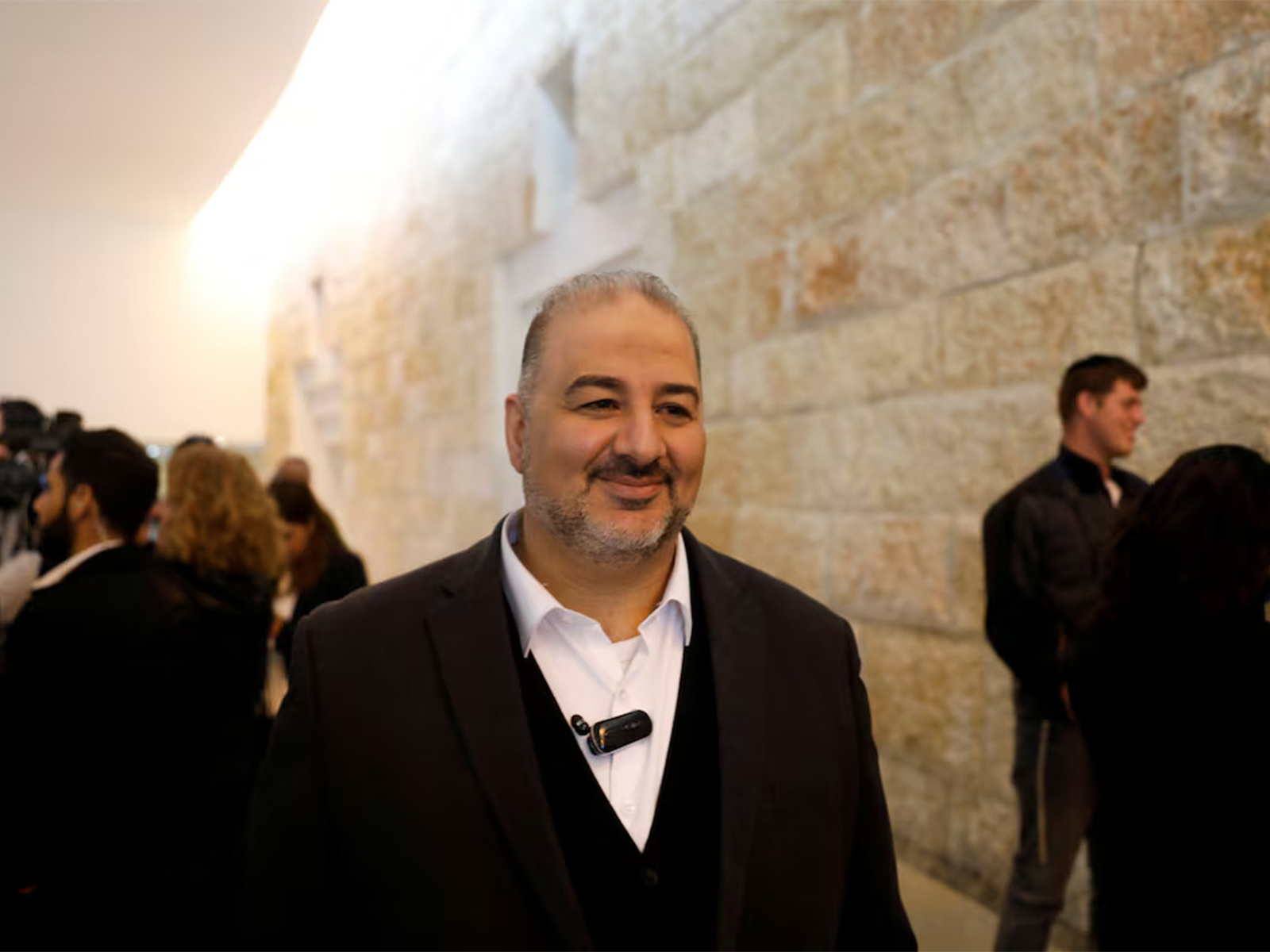
Jerusalem [Israel], October 28 (ANI): Mansour Abbas, chairman of the Ra’am party, has indicated that he is in contact with representatives from both the pro- and anti-Netanyahu factions after exit polls indicated that neither camp holds a clear majority to form a government.
"Everyone is speaking with us, not just from the 'change bloc'," Abbas told Channel 12, as reported by The Times of Israel, pointing out that individuals from the pro-Netanyahu alliance have also initiated contact.
Abbas expressed an openness to participating in an administration headed by Yashar party leader Gadi Eisenkot, though he emphasised that the practical viability of such an alliance must first be established.
He noted that "currently there aren't numbers for a government", pointing out that his party's projected seven seats leave the broader opposition bloc two seats short of the 61-seat threshold required to form a coalition.
Although the primary exit polls estimate a total of 70 seats for factions opposing Netanyahu, multiple Zionist opposition groups have rejected the prospect of partnering with Arab parties, presenting additional hurdles to coalition-building efforts, according to The Times of Israel.
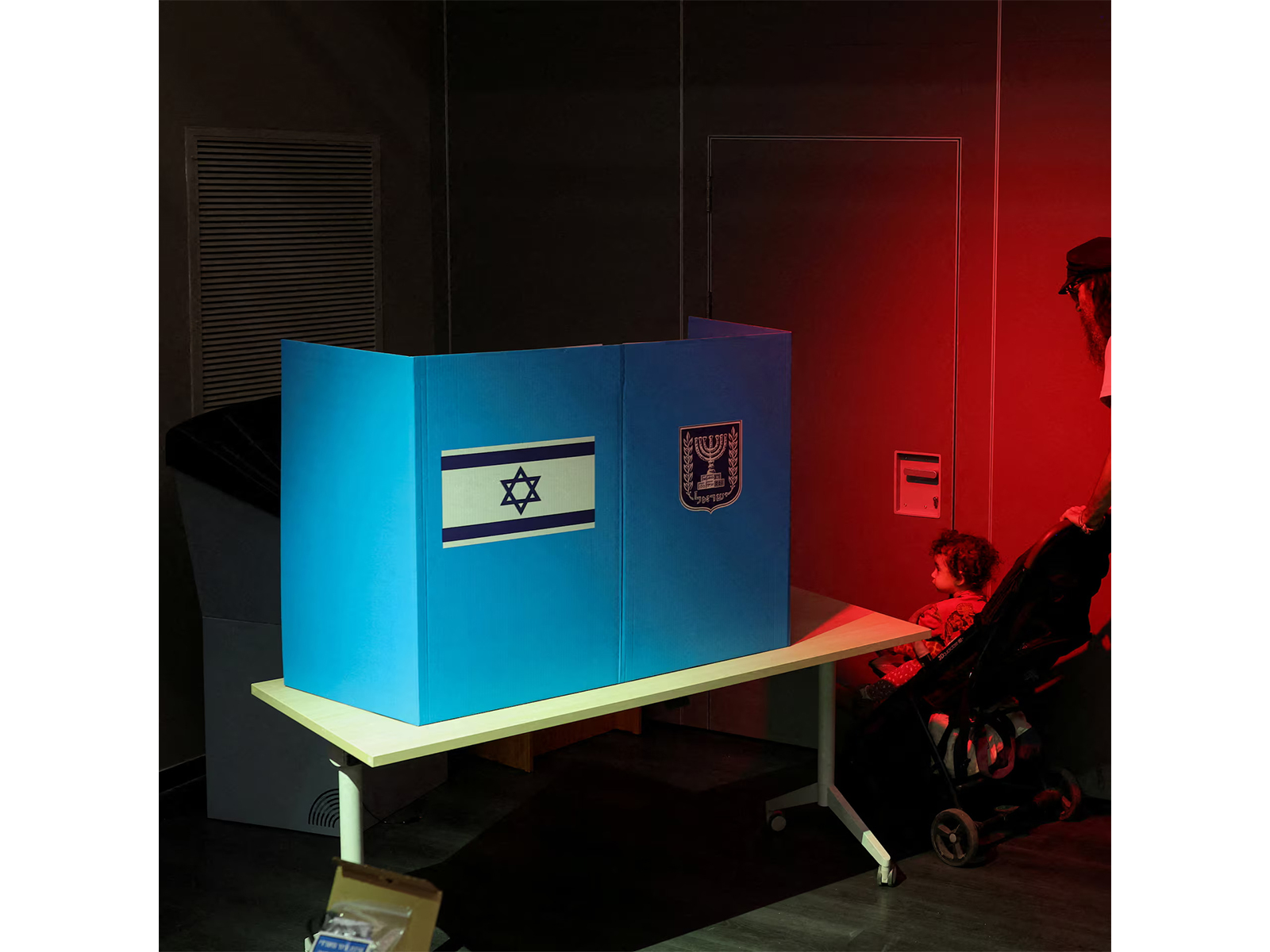
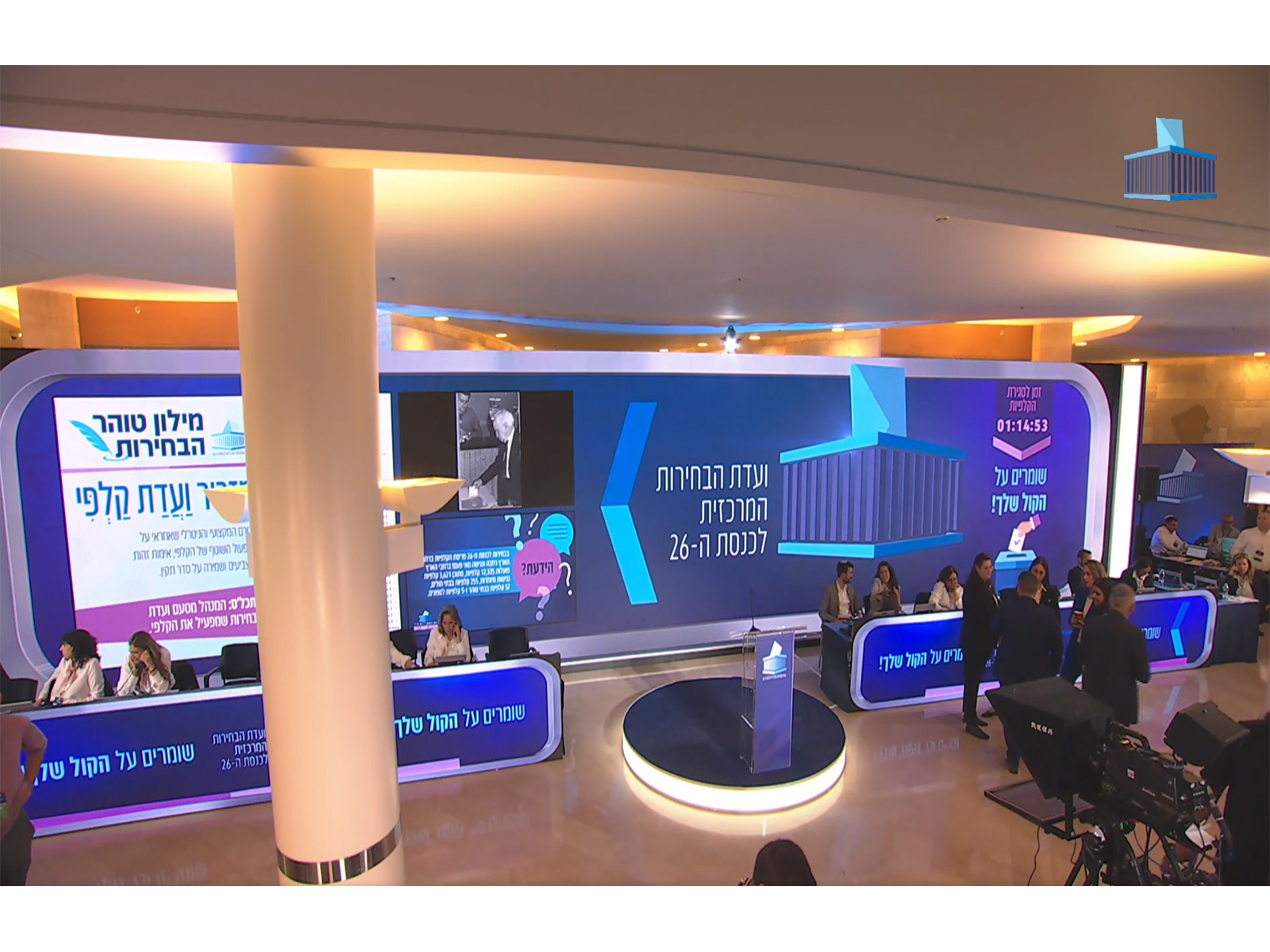
Following the closure of polling stations at 10 pm, final data released by the Central Elections Committee showed that national voter turnout reached a historic 77.7 per cent, an increase from the 70.6 per cent recorded at the same hour during the 2022 election. This marked the highest level of voter participation at this hour since 1999.
With voting concluded, exit polls published by Channels 11, 12 and 13 on Tuesday night indicated that neither Prime Minister Benjamin Netanyahu’s bloc nor the opposing faction secured the requisite 61-seat majority in the Knesset, The Jerusalem Post reported.
The opposition bloc, encompassing Yashar, B’Yachad, Yisrael Beytenu and the Democrats, was forecast to secure between 50 and 53 seats, whereas Netanyahu’s alliance was projected to win approximately 50 seats, leaving neither camp with an immediate, unobstructed path to forming a governing coalition.
Meanwhile, the Joint List and Ra’am were anticipated to collectively capture 17 to 18 parliamentary seats, positioning Arab factions as potential kingmakers in upcoming coalition discussions.
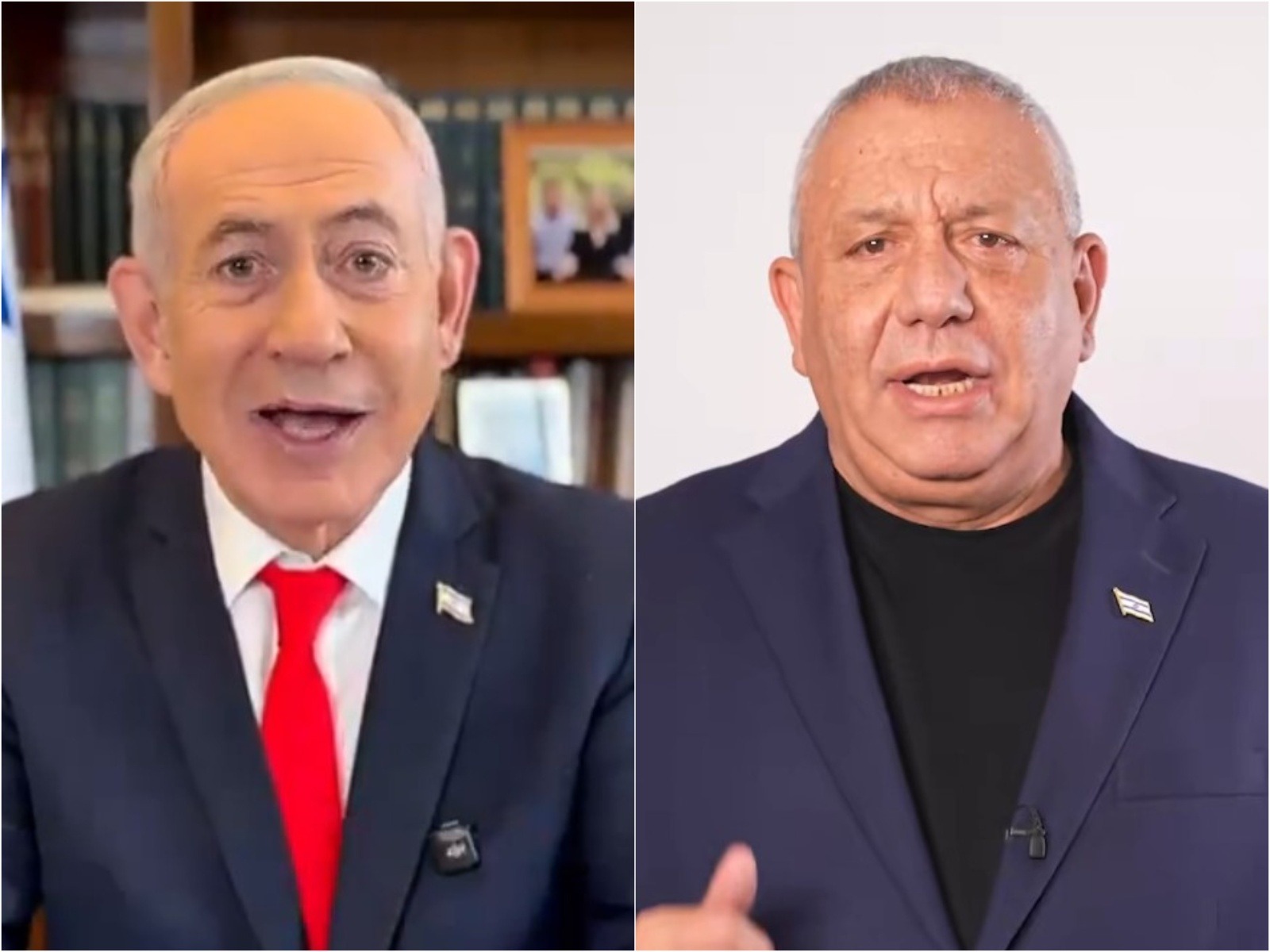
Netanyahu’s Likud party was projected to claim 24 to 25 seats, retaining its status as the single largest party in the incoming legislature, while Gadi Eisenkot’s Yashar party was expected to secure 21 to 23 seats, based on network projections.
Further complicating efforts by Netanyahu’s bloc to consolidate a governing majority, minor right-wing factions hovering near the electoral threshold were projected to miss the mandatory 3.25 per cent cutoff required to enter parliament, The Jerusalem Post added.
The general election, the first to be held since the Hamas-led massacre of October 7, 2023, unfolded amid deep national divisions over security accountability, state leadership and the independence of Israel’s democratic institutions.
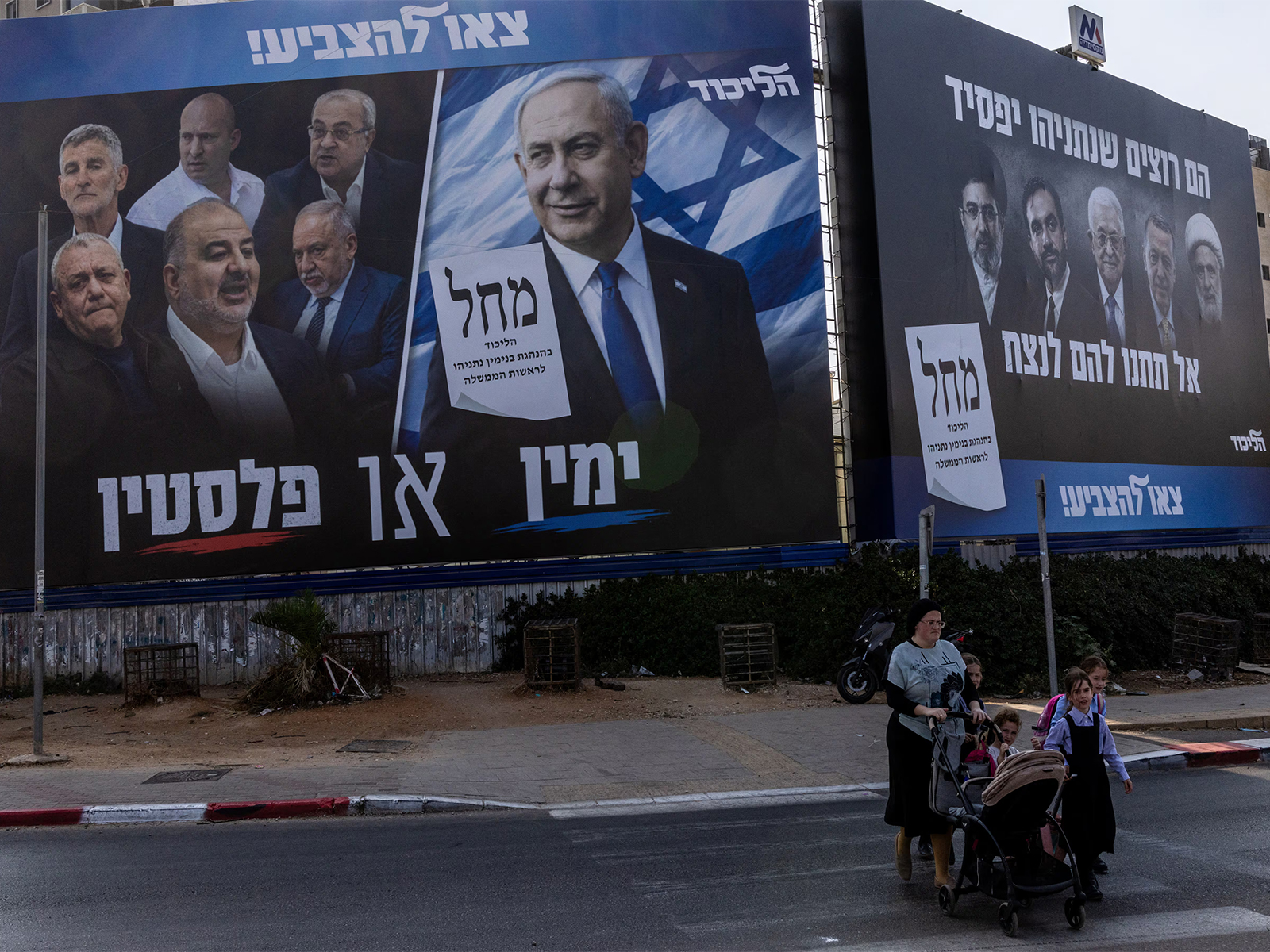
Prime Minister Netanyahu, who has remained at the centre of power for 19 years, faced a formidable challenge from former IDF Chief of Staff Gadi Eisenkot and his Yashar Party, which led in various opinion surveys ahead of the vote. (ANI)
Ra’am chief Abbas says figures from both blocs approach him amid Israel coalition deadlock