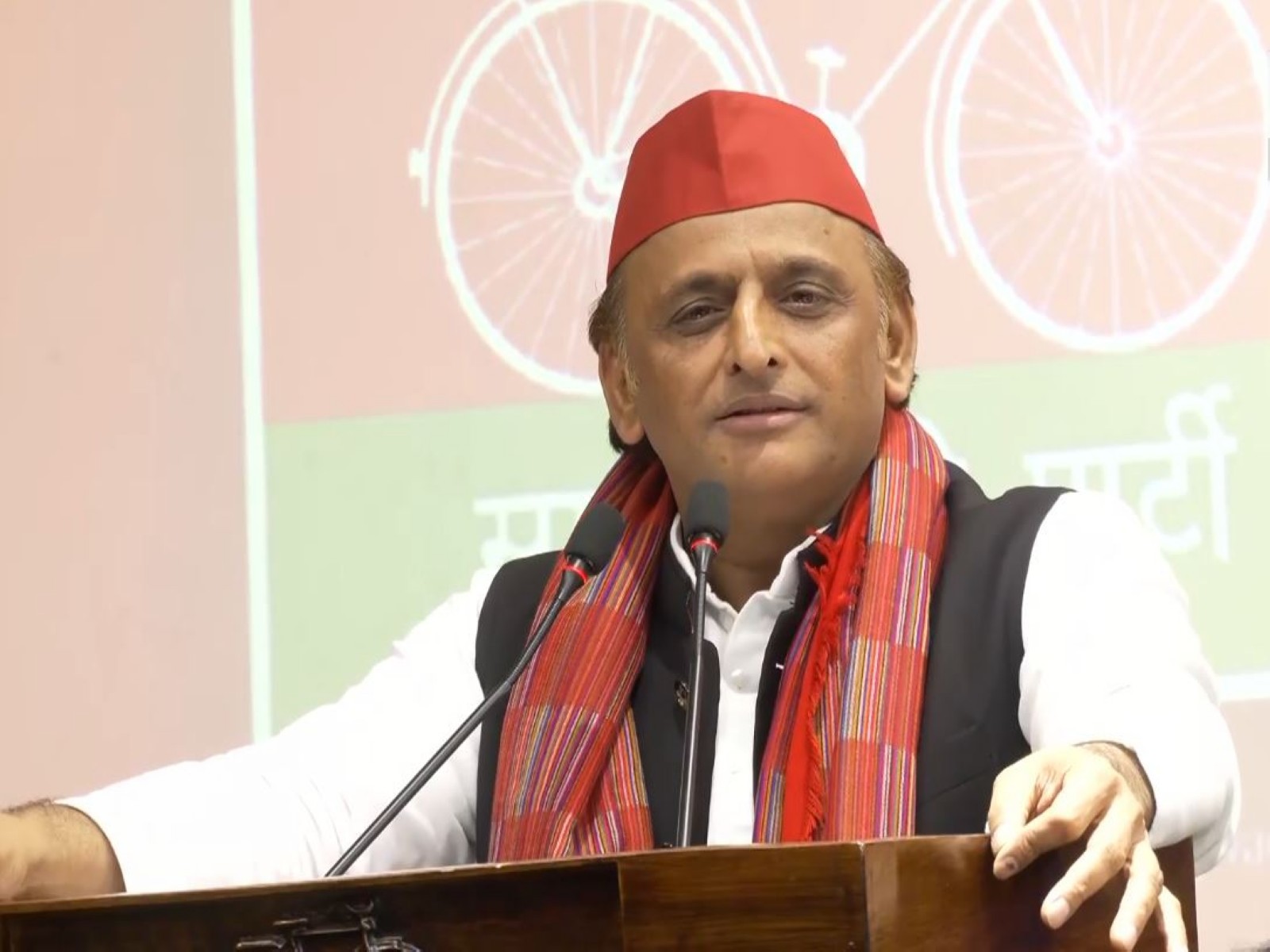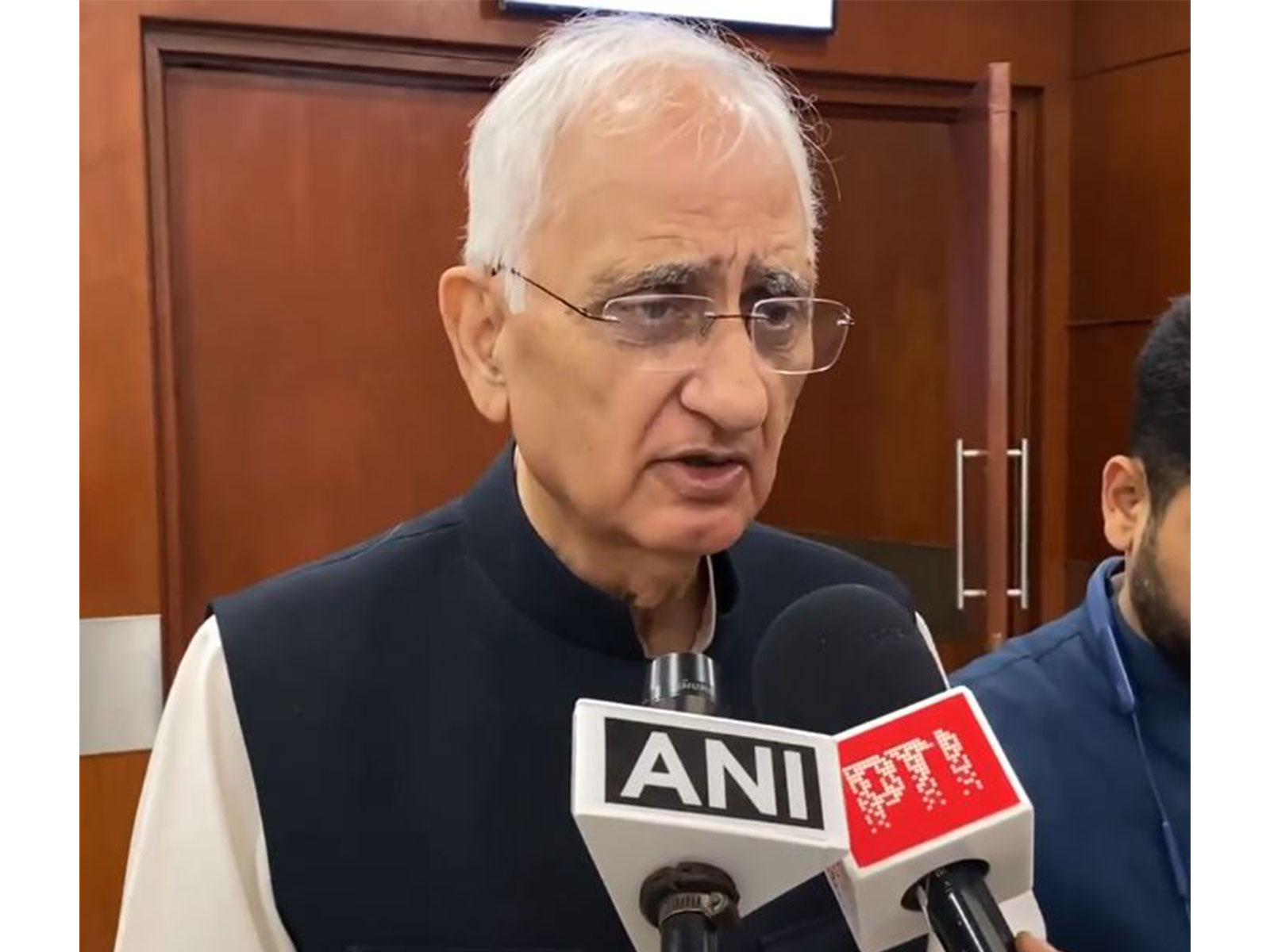
Lucknow (Uttar Pradesh) [India], November 11 (ANI): Samajwadi Party chief Akhilesh Yadav on Wednesday launched a multi-pronged counter-attack against the ruling Bharatiya Janata Party (BJP) while addressing the media at the party headquarters in Lucknow regarding his proposed upcoming visit to Ayodhya.
Rejecting the BJP's criticism, Yadav affirmed his party’s freedom to visit any religious shrine and redefined his signature political strategy (PDA) in a spiritual context to brush off the ruling party's anxiety.
He reinterpreted the PDA acronym, originally denoting his electoral coalition of Pichhde (Backward classes), Dalit, and Alpsankhyak (Minorities) — to now mean "Pehle darshan, phir Aashirvaad" (First darshan, then blessings).
He added a personal touch by referencing senior family leaders Shivpal Singh Yadav and Ram Gopal Yadav to emphasise that his family already carries the symbolic blessings of "Shiv" and "Ram".
Reacting to the ongoing political controversy, Akhilesh Yadav said, "God belongs to everyone. So why should we not visit these places? We will visit Kedareshwar, Mathura and Vrindavan as well. We have been visiting these places before, and we will continue to do so. PDA: Pehle darshan, phir Aashirvaad. So why is the BJP so worried about the PDA? In our family, Shiv and Ram Gopal are already there. We already have their blessings. So the BJP should not be worried. The question is, what answer does the BJP have for the massive loot and destruction that has taken place, and for the loss of lakhs of crores of rupees?..."
This statement stems from intense political sparring in Uttar Pradesh ahead of the upcoming Assembly elections. Reports of Yadav’s planned visit to the Ram Temple in Ayodhya—which would mark his first visit since its consecration in January 2024—have triggered sharp pushback from BJP leaders.
BJP state leaders challenged his intent, demanding apologies for past historical events involving kar sevaks during previous SP regimes and calling the visit a political ploy.
Samajwadi Party chief also invoked his "Khajanchi" jibe against the 2016 demonetisation, calling it the biggest corruption scandal in the world.
Addressing a press conference in Lucknow, Akhilesh Yadav alleged that the circulation of cash increased and the demonetisation caused damage to the MSMEs. He also challenged the government to hold a debate on the economic situation in 1947 and what it will be in 2047.
"Today Khajanchi turned 10. We have been celebrating its birthday since the beginning, but sadly the Bharatiya Janata Party has never celebrated Khajanchi's birthday. Bharatiya Janata Party should adopt it, but not how their MPs adopted villages. His 10 years are full of failures. Those who talk about a USD 1 trillion economy can celebrate a child's birthday. Recently we saw that someone was being insulted for taking the leftover mustard oil for his family. Perhaps there has never been such huge corruption in the world as demonetisation done by the Bharatiya Janata Party. Demonetisation was done to sink the banks. Demonetisation worked as slow poison," he said.
He termed demonetisation a "curse for banks" and raised questions over privatisation and merger of banks.
"The BJP decided on banking reforms in 2014. Under the pretext of demonetisation, the game of exchanging currency notes that was started ended up corrupting the entire banking system. The circulation of cash has increased by 70 per cent compared to what it was earlier. There is a long list of the damage that has been caused to MSMEs and small traders. Even today, banks are deducting money in the name of penalties. The BJP has created such a system. It has made banking more dangerous than even moneylenders, making it worse than them. Demonetisation became a curse for banks. Banks themselves were shut down, banks were merged, and even banks had to be sold," the Samajwadi Party chief said.
Akhilesh Yadav is scheduled to visit Ayodhya with his family on December 12. (ANI)
"What answer does BJP have for massive loot": Akhilesh Yadav hits back amid politics over proposed Ayodhya visit