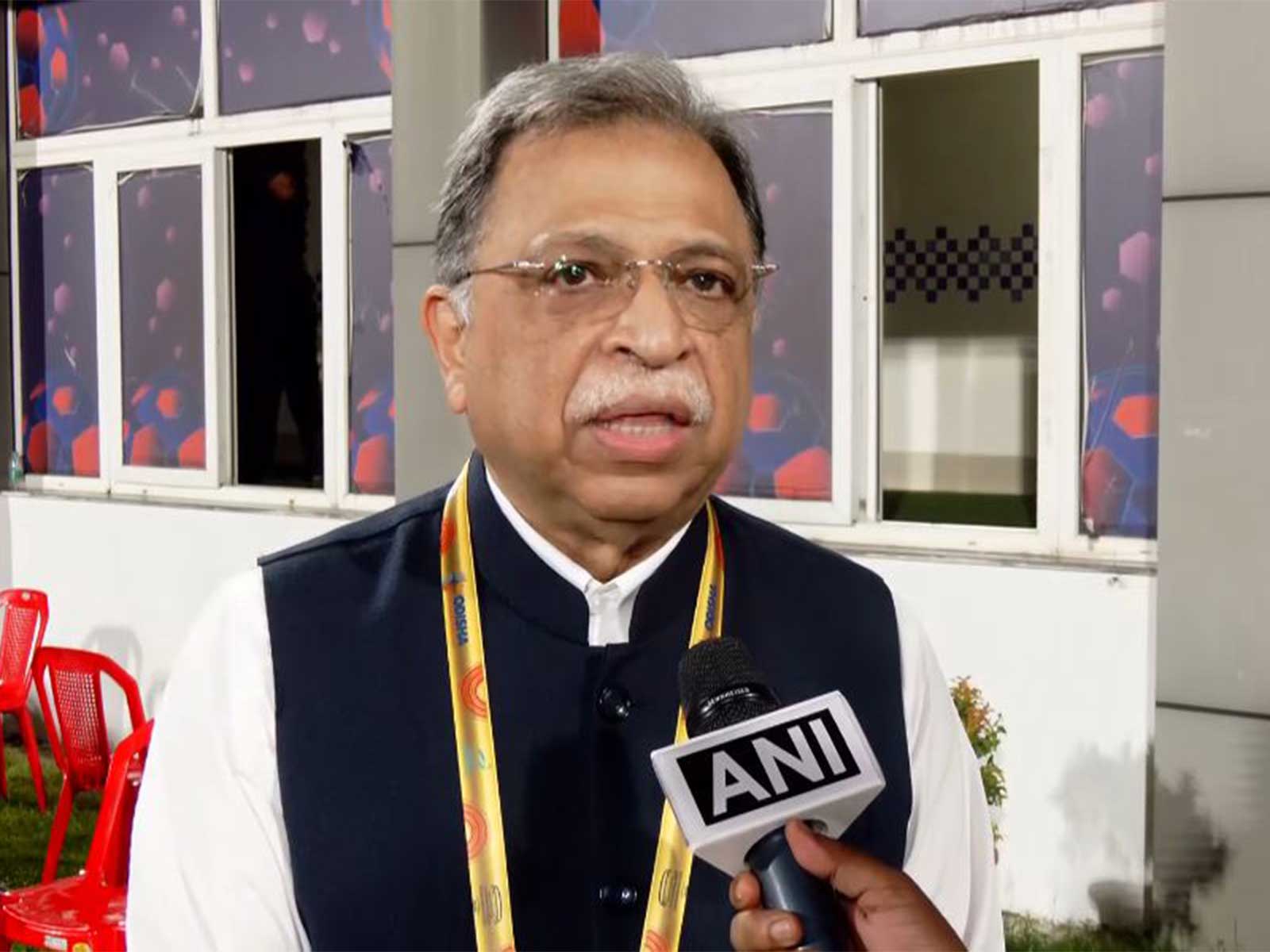
Tehran [Iran], August 22 (ANI): Iran's Basij Mostazafin Organisation chief Hojjatoleslam Taeb has claimed that Tehran is now at the "centre" of the global power map, while asserting that recent US military action against Iran exposed "weaknesses" in the American military.
Speaking at the fourth national ceremony honouring the country's mosque activists on Friday, Taeb said the current outcome of the recent West Asia conflict, which was initiated by US-Israeli forces following the assassination of former Supreme Leader Ali Khamenei on February 28, demonstrated that attempts to weaken Iran's resistance front had instead strengthened public mobilisation.
"Today, the global map of power has changed with Iran at the centre," Taeb said, according to Iranian state broadcaster IRIB.
Taeb said the US had believed that targeting what he described as the guardian of Muslims and the "reviver and builder of mosques" would weaken the resistance base and remove the Iranian nation from the scene.
"But the result was the opposite, and with his martyrdom, not only was the resistance front not weakened, but the presence of people in mosques and squares became more prominent," he said, as quoted by IRIB.
Describing the US strategy as a "strategic mistake", Taeb said people with different views and backgrounds were continuing to stand together at resistance bases.
"The crushing operations revealed the weakness of the US army," Taeb said, according to IRIB.
He argued that the US military, despite having a "huge budget" and extensive intelligence and operational capabilities, had believed it could defeat Iran within a short period.
"Not only did the Iranian nation and armed forces not weaken in the recent war, but it was the enemy who was forced to retreat, cease fire, and negotiate," Taeb said.
Taeb also claimed that Iran did not fall for what he described as the "deception" of the enemy's return to the negotiating table.
"The cruel enemy entered the war against Iran using all its military and propaganda power, but when it saw that the Iranian nation would not back down, it was forced to request a ceasefire and then negotiate," he said.
According to Taeb, under the 14-point memorandum of understanding signed in June, the opposing side had pledged to fulfil its obligations within 60 days, refrain from threats and attacks against the "axis of resistance", and hand over management of the Strait of Hormuz to Iran.
"But it did not accept any of these commitments and once again resorted to breaking promises and pressure," Taeb said, adding that despite this, the Iranian people were not deceived by the return to negotiations.
The Basij chief also linked Iran's missile capabilities to what he described as "unity and cohesion" of the nation.
"The backbone of Iran's missile power today is the unity and cohesion of the people," Taeb said.
He argued that strengthening mosque-centred communities could further reinforce national unity.
"If a mosque-centred neighbourhood is formed and its people come together based on love, interaction, and empathy, national unity will be preserved even more than before," he added, as quoted by IRIB.
"As long as this unity remains, we can stand up to enemy pressure and not retreat from national positions," Taeb further said.
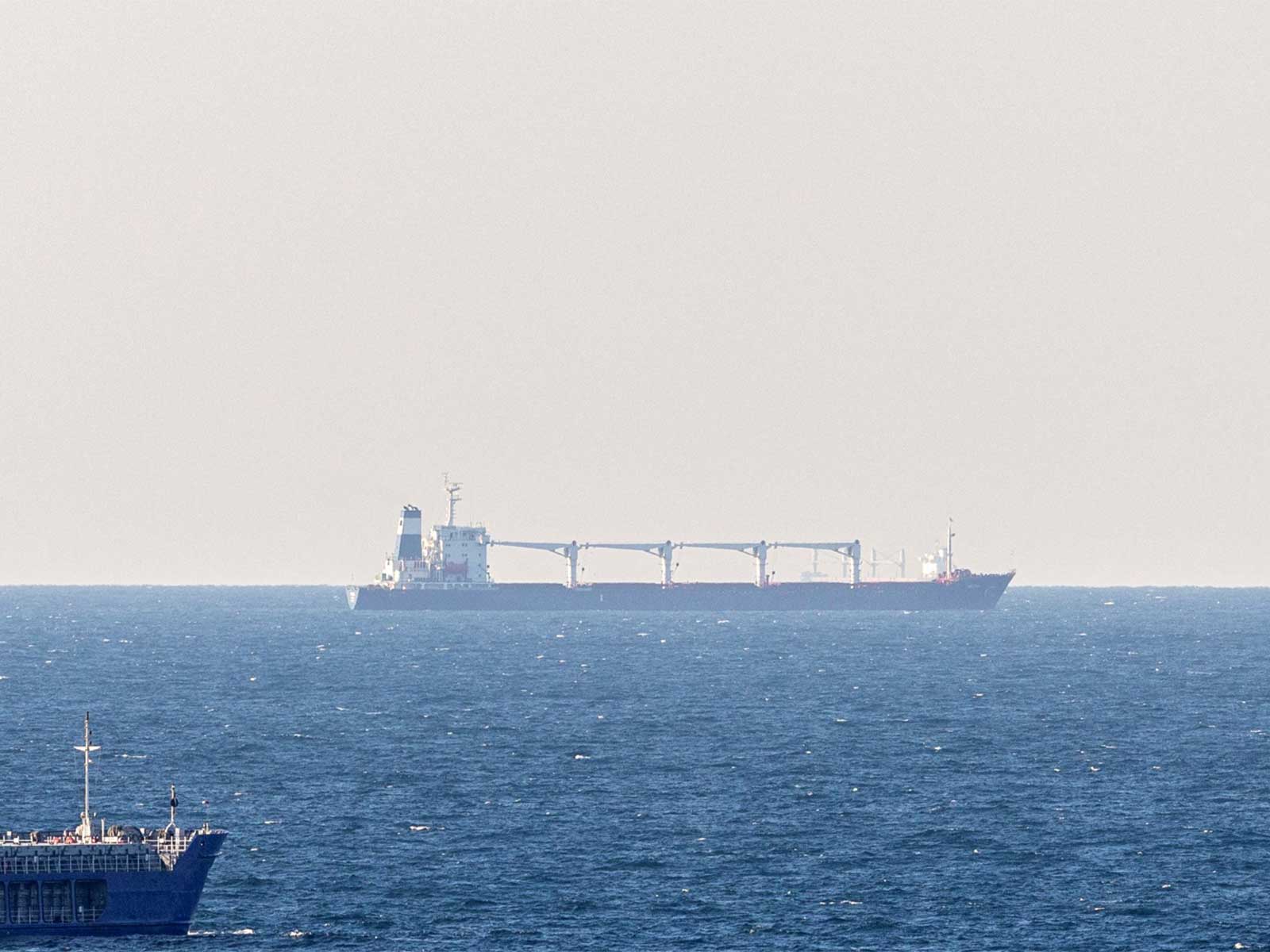
The remarks came as negotiations between Washington and Tehran remain paused and the Strait of Hormuz continues to be a key point of tension in the conflict. (ANI)
Tehran at 'center' of global power: Iran's Basij chief, says US action shows weakness in its military